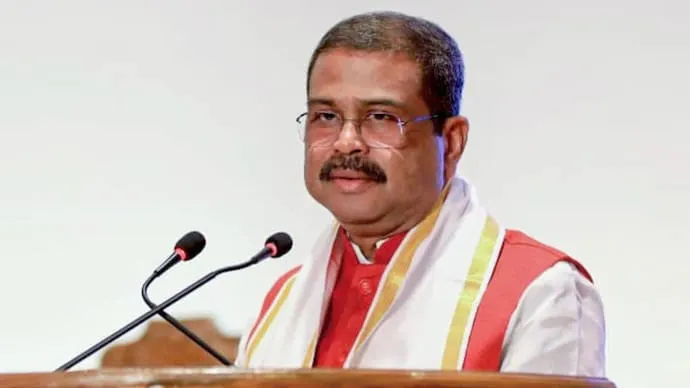
Dharmendra Pradhan Resignation: How Weeks of Student Anger Finally Brought Down a Union Minister
Tear gas was still hanging in the air at Jantar Mantar when the news broke. Not a leak this time, not a rumour, an actual post on X. Dharmendra Pradhan, India's Union Education Minister, had resigned. And within minutes, a protest site that had seen weeks of tension turned into something closer to a street party.
That's the strange thing about how this all ended. It didn't fade out quietly. It happened almost mid breath, police firing tear gas on one side of the square, celebration breaking out on the other, all within the same hour.
Why the Dharmendra Pradhan Resignation Actually Matters
Here's the part that's easy to miss if you only skim headlines. Governments in India, especially this one, rarely bend to street pressure. Prime Minister Modi's third term has been described, fairly consistently, as one that doesn't get swayed by public protest. So when a sitting Union Minister steps down because tens of thousands of young people refused to leave a public square, that's not a routine political event. That's a rare admission that the pressure worked.
For students specifically, and honestly for anyone who's ever felt like a system was rigged against them, this matters because it's proof that sustained, visible frustration can still move something. Not always. Not quickly. But it can.
What Actually Happened, Explained Simply
Let me back up, because the context matters more than the resignation letter itself.
For months, actually longer than that, allegations had been building around exam paper leaks under Pradhan's watch, tied to NEET-UG and related national exams conducted by the National Testing Agency. Students said their futures were being decided by leaked question papers and broken systems, not merit. That frustration didn't disappear. It calcified.
Then came a satirical, almost absurd trigger. Comments by India's chief justice, widely read as comparing unemployed young people to cockroaches, struck a nerve nobody expected to still be raw. Out of that insult, somewhat unbelievably, grew a real movement. The Cockroach Janta Party, or CJP, a name born half as a joke and half as defiance, became the face of a youth uprising demanding accountability.
Weeks of camping in the heart of New Delhi followed. Then clashes with police. Then, on a Saturday, the resignation.
How the Protest Turned Into a Resignation, Step by Step
It helps to walk through the sequence, because it wasn't one dramatic moment, it was pressure building in stages.
- First, the NEET paper leak scandal created public anger that simply never cooled down, even months after the exam itself.
- Then, youth unemployment frustration merged with exam integrity frustration, and the chief justice's remark gave that anger a name and a symbol.
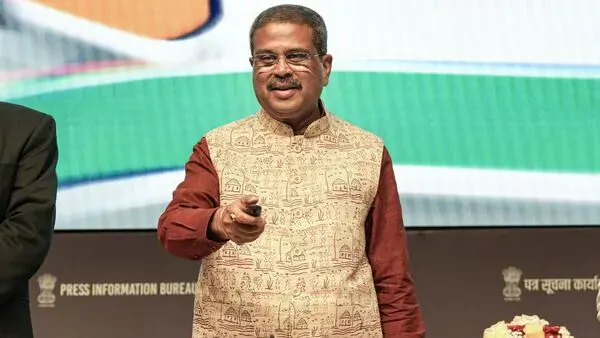
- The CJP organised sit-ins at Jantar Mantar, a site with a long history of Indian protest movements, and numbers grew from dozens to tens of thousands.
- Police tactics during the demonstrations, described by many as heavy handed, didn't dampen the movement, they widened it, pulling in supporters who weren't even directly affected by the exam issue.
- On the day tear gas was used to disperse protesters, and just hours before another round of talks with federal ministers was scheduled, Pradhan posted his resignation on X, addressed directly to Prime Minister Modi.
- CJP leaders then announced they were ending the agitation, saying the government had accepted their demands, and asked protesters to return home.
Real-World Reaction, and Why It's Telling
The BJP's own national president called Pradhan's decision a reflection of "the highest standards of integrity and selfless service," which is, if you think about it, a fairly generous framing for what was really a forced exit under sustained pressure. The party said it stood firmly behind him regardless.
Pradhan's own words were notable too. He wrote that he deeply respected the aspirations and legitimate expectations of the country's youth, and specifically referenced concerns that antinational forces might exploit the situation if it dragged on. Reading between the lines, that's a government trying to close a chapter before it grows into something harder to control.
Mistakes People Keep Making When Reading This Story
A common mistake is treating this purely as an exam policy issue. It's not just that. Yes, the exam paper leak protests were the spark, but the underlying fuel was youth unemployment, a frustration far bigger than any single minister or exam agency. Blaming this entirely on NEET misses half the picture.
Another mistake, assuming this resignation alone fixes the systemic problem. It doesn't. A resignation closes a political chapter. It doesn't rewrite exam security protocols or guarantee the next paper won't leak.
Pro Tips for Understanding What Comes Next
Watch who replaces Pradhan and what reforms, if any, get announced in the following weeks, that will tell you whether this was genuine course correction or just political damage control. Also worth tracking, whether the CJP movement stays organised now that its central demand has been met, or dissolves the way many single issue protest groups eventually do. And if you're a student following exam reforms, keep an eye on the related Public Examinations Amendment Bill, since legislative changes tend to follow political shake ups like this one fairly closely.
Closing Thoughts
There's something almost cinematic about how this ended, tear gas and celebration sharing the same square within the same hour. But strip away the drama and what's left is simpler, and maybe more important. A government that rarely responds to street pressure, responded. Whether that becomes a pattern or stays a one off moment tied to one minister and one scandal, that's the real question worth sitting with.
FAQs
Why did Dharmendra Pradhan resign?
He resigned as Union Education Minister following weeks of youth protests demanding accountability over exam paper leaks, including the NEET-UG controversy, and mounting pressure from the Cockroach Janta Party movement.
What is the Cockroach Janta Party?
It's a youth led protest movement that emerged after remarks from India's chief justice were interpreted as comparing unemployed young people to cockroaches, which became a rallying symbol for frustration over youth unemployment and exam malpractice.
Did the protests end after the resignation?
Yes, CJP leaders announced they were ending the agitation after the government accepted their demands, and asked protesters to withdraw from the demonstration site.
What role did NEET paper leaks play in this resignation?
The NEET-UG paper leak controversy was one of the earliest and most persistent triggers for public anger, with students and opposition parties repeatedly demanding Pradhan's resignation over more than a year before it actually happened.
Who will replace Dharmendra Pradhan as Education Minister?
That decision rests with the Prime Minister's office, and details were still developing at the time this resignation was announced.
Does this resignation mean exam paper leaks will stop?
Not automatically. A resignation addresses political accountability, not the underlying systemic and security issues that allow paper leaks to happen in the first place.