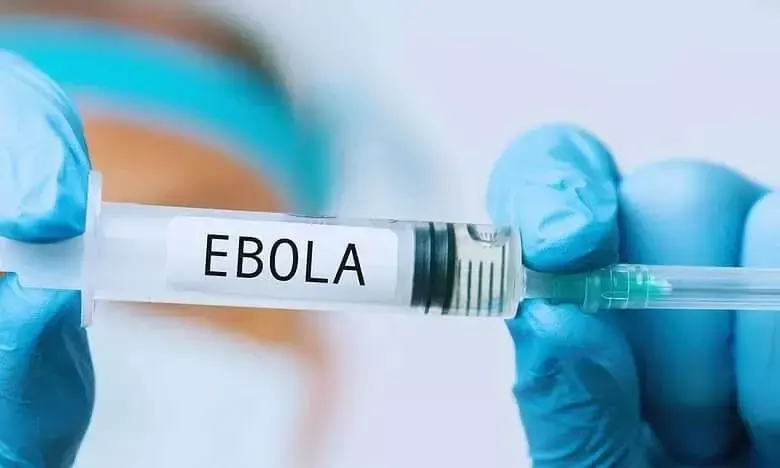
DRC Ebola Outbreak 2026: 782 Confirmed Cases, 181 Deaths and a Virus With No Approved Vaccine
The number 72 does not look large until you understand what it means. On June 13, 2026, the Democratic Republic of Congo reported 72 new confirmed Ebola cases in a single day. That is one of the biggest single-day spikes since this outbreak was officially declared just one month ago. The total has now reached 782 confirmed cases and 181 confirmed deaths, with 359 individuals hospitalised in isolation.
This is not a historical emergency. It is happening right now, in real time, in one of the most conflict-affected regions on earth.
Why the DRC Ebola Outbreak 2026 Is Different and More Dangerous Than Past Ones
Every Ebola outbreak is serious. But this one carries a particular weight. The latest outbreak is caused by the Bundibugyo virus, a rare species of Ebola that has no approved vaccine or treatment, unlike the Zaire virus, which was responsible for most of Congo's past 16 outbreaks. That single fact changes everything about the response.
When health workers fought previous DRC outbreaks, they had a licensed vaccine they could ring-fence around cases. That tool does not exist for Bundibugyo. The Bundibugyo species was first identified in Uganda in 2007 and has historically been associated with somewhat lower case fatality rates than other Ebola species, though severe disease and death can still occur. Lower fatality rate does not mean low risk. It means the virus is still deadly, just slightly less so than its deadlier cousin.
Read More: Madhur Virli Rape Joke Controversy: Why India's Stand-Up Comedy Scene Is in Crisis Again
What Is Bundibugyo Virus and How Does Ebola Spread?
Ebola is a viral hemorrhagic fever. It spreads through direct contact with the blood, body fluids, or organs of an infected person, or through contact with contaminated surfaces and materials. It does not spread through the air. But in a region where families care for sick relatives at home, where healthcare infrastructure is stretched thin, and where trust in health authorities has been damaged by years of conflict, direct contact happens constantly and unavoidably.
The current outbreak is the 17th Ebola outbreak in DRC and comes only five months after the end of the previous outbreak. That back-to-back timeline tells you something important about how fragile the recovery was.
Where the Outbreak Is Hitting Hardest
Ituri Province is the most affected, with 717 confirmed cases across 20 health zones. In North Kivu, 62 confirmed cases have been reported from 10 health zones, and in South Kivu, three cases from one health zone. Since the last update, two new affected health zones have been reported: one in Ituri and one in North Kivu.
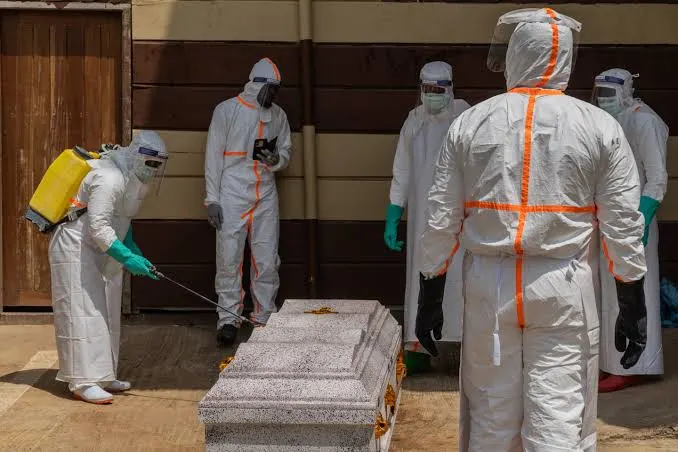
These are not random locations. Ituri, North Kivu, and South Kivu are experiencing a humanitarian crisis with 1.9 million people in need of aid. Large scale refugee movements and cross-border travel, as well as mining-related travel, complicate efforts to contact trace people who are positive. Healthcare workers have also been attacked. The virus is moving through a population that is already exhausted by war, displacement, and poverty.
The Numbers Behind the Numbers
The contact tracing coverage rate has dropped to 56%, a sharp decrease from the previous week. That is a deeply worrying figure. When health teams cannot trace where the virus has gone, they cannot stop where it is going. Health and aid officials believe the official figures are an underestimate, pointing to testing delays and unnoticed deaths in villages and far-flung suburbs.
United Nations agencies have warned that children could become increasingly affected by the outbreak. As the outbreak evolves, household transmission may rise, meaning more children could be affected in the days ahead, according to UNICEF's global lead for public health emergencies.
The WHO declared this a Public Health Emergency of International Concern (PHEIC) on May 17, 2026, just two days after the outbreak was confirmed.
What the Response Looks Like on the Ground
Congo's health ministry has said that while the rising numbers show the outbreak is spreading rapidly, they also reflect more active surveillance. More testing means more confirmed cases. That is not necessarily worse news. It means the health system is catching infections it would previously have missed.
Still, the WHO director-general has acknowledged that the response is behind where it needs to be.
Closing Thought
There is a quiet kind of helplessness in reading outbreak numbers that keep climbing. But these are not just statistics. They are people in Bunia, in displacement camps, in isolation wards, trying to survive a disease that arrived with no warning and for which no vaccine exists. The world has beaten Ebola before, but never easily and never without cost.
Read More: Keir Starmer to Announce Social Media Ban for Under-16s: What It Could Mean for Millions of Families
Disclaimer: This article is based on information available across the web. Parchar Manch does not take responsibility for its complete accuracy, as the content could not be fully verified.
FAQs
What is the current Ebola case count in DRC?
As of June 13, 2026, the DRC Ministry of Health has reported 782 confirmed cases and 181 confirmed deaths.
Is the DRC Ebola outbreak 2026 a global health emergency?
Yes. The WHO declared it a Public Health Emergency of International Concern on May 17, 2026, just two days after the outbreak was officially confirmed.
What makes this Ebola outbreak different?
This outbreak is caused by the Bundibugyo virus, a rare Ebola species with no approved vaccine or treatment, unlike past DRC outbreaks caused by the Zaire strain, which had a licensed vaccine available.
Has Ebola spread outside DRC?
The outbreak has been reported in DRC and Uganda. As of May 18, 2026, no suspected, probable, or confirmed Ebola cases related to this outbreak had been reported in the United States.
Can Ebola spread through the air?
No. Ebola spreads through direct contact with the blood, body fluids, or organs of an infected person, not through airborne transmission.
Why is contact tracing so difficult in this outbreak?
The affected provinces are experiencing armed conflict, large-scale refugee movements, cross-border travel, and healthcare worker attacks, all of which severely complicate contact tracing and outbreak containment.