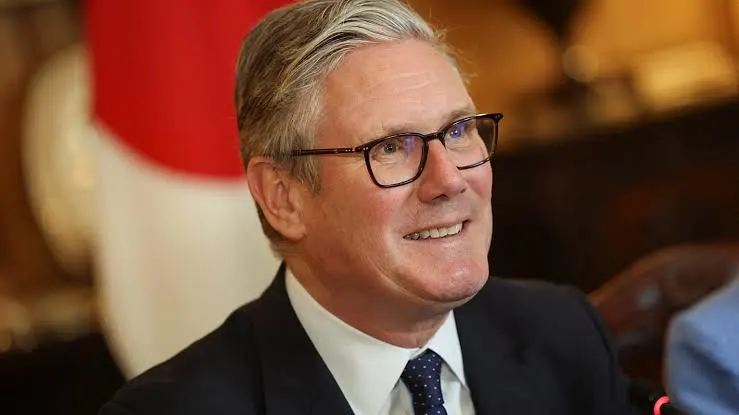
Keir Starmer to Announce Social Media Ban for Under-16s: What It Could Mean for Millions of Families
The debate around children and social media has been building quietly for years. Then suddenly, it feels like everyone is talking about it at once. Reports that Keir Starmer to Announce Social Media Ban for Under-16s have pushed the conversation into the spotlight, raising questions about online safety, parental responsibility, and how governments should protect young people in a digital age.
For many parents, this news carries a sense of urgency. Social media is where teenagers communicate, learn trends, and spend a large part of their free time. Yet concerns about mental health, cyberbullying, addictive algorithms, and harmful content continue to grow.
Why the Keir Starmer to Announce Social Media Ban for Under-16s Proposal Matters
This is not just another political headline.
If implemented, such a policy could affect millions of children, parents, schools, and technology companies. It could change how young people access platforms, how age verification works, and how social media companies design their services.
The discussion is really about balance. How do societies allow young people to benefit from technology while reducing the risks that come with it?
That question has become increasingly difficult to answer.
Understanding the Social Media Ban for Under-16s
Think of social media like a busy city.
There are opportunities everywhere. Learning, entertainment, friendships, creativity.
But there are also risks. Unsafe areas, misleading information, and people with harmful intentions.
The reported proposal linked to Keir Starmer to Announce Social Media Ban for Under-16s aims to create stronger barriers between younger users and platforms considered potentially harmful. Supporters argue that children need greater protection during important developmental years.
Critics, however, question whether bans are practical or whether education and parental controls may be more effective.
How a Social Media Ban Could Work
While details may vary, similar proposals around the world generally involve:
• Mandatory age verification systems.
• Restrictions on account creation for users under 16.
• Stronger penalties for platforms that fail to comply.
• Increased monitoring of child safety measures.
• Greater accountability for technology companies.
The challenge is enforcement. Age verification sounds straightforward until you consider how millions of users sign up online every day.
Real-World Examples Driving the Debate
Several countries have already explored or introduced stricter rules for children's online access.
Supporters often point to studies linking excessive social media use with anxiety, sleep disruption, and reduced concentration among teenagers. Parents frequently describe a familiar concern: children spending hours scrolling without realizing how much time has passed.
Technology experts also note that recommendation algorithms can sometimes expose young users to inappropriate content.
These concerns have helped build momentum behind discussions such as Keir Starmer to Announce Social Media Ban for Under-16s.
Read More: I Am a Cockroach": How India's Gen Z Protest Movement Stormed Delhi Over Exam Irregularities
Mistakes People Keep Making When Discussing Social Media Restrictions
One common mistake is treating social media as either completely good or completely bad.
Reality is more complicated.
Many teenagers use social platforms to learn skills, build communities, and express creativity. At the same time, risks undeniably exist.
Another mistake is assuming technology alone can solve the problem. Even the strongest regulations often work best when combined with parental guidance, digital literacy education, and responsible platform design.
Practical Insights for Parents and Families
Regardless of whether new rules are introduced, families can take useful steps today.
Talk openly about online experiences.
Understand which apps children use regularly.
Encourage healthy screen-time habits.
Teach critical thinking when consuming online content.
Most importantly, create an environment where children feel comfortable discussing problems they encounter online.
Those conversations often matter more than any technical restriction.
Looking Beyond the Headlines
The discussion around Keir Starmer to Announce Social Media Ban for Under-16s reflects a larger question facing modern societies. Technology is evolving faster than many regulations can keep up with.
Governments want safer online spaces. Parents want protection. Young people want freedom and connection.
Finding a solution that satisfies all three groups will not be easy. Yet the fact that this debate continues to gain attention suggests something important: societies are still learning how to live with technology that has become deeply woven into everyday life.
Disclaimer: This article is based on information available across the web. Parchar Manch does not take responsibility for its complete accuracy, as the content could not be fully verified.
FAQs
Why is Keir Starmer considering a social media ban for under-16s?
The proposal is reportedly aimed at improving child safety and reducing exposure to harmful online content.
Would all social media platforms be affected?
The exact details would depend on the final policy and regulatory framework.
How would age verification work?
Platforms may be required to use stronger verification systems to confirm users' ages before account creation.
Why are parents supporting stricter social media rules?
Many parents worry about cyberbullying, mental health impacts, online predators, and excessive screen time.
What are critics saying about the proposal?
Critics argue that bans may be difficult to enforce and could raise privacy or accessibility concerns.
Can parental controls replace a social media ban?
Parental controls can help, but many experts believe they work best alongside education, platform responsibility, and broader safety measures.