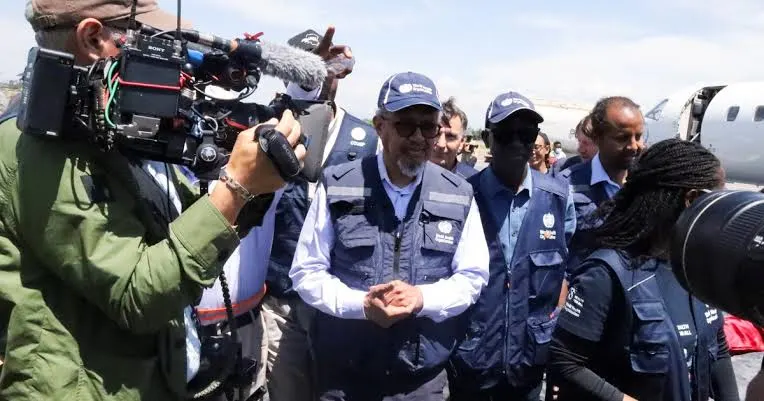
Ebola Outbreak DRC 2026: The Numbers Keep Climbing, And Here's Why
Nearly two thousand confirmed cases. Over seven hundred deaths. And this is the seventeenth time the Democratic Republic of Congo has faced this exact fight. The Ebola outbreak DRC situation unfolding right now isn't a new crisis exactly, DRC has tragic experience with Ebola by now, but this particular outbreak carries a wrinkle that's made it harder to control than most of its predecessors.
Let me walk through what's actually happening, because the details here genuinely change how serious this is.
Why This Outbreak Actually Matters
Here's why this deserves real attention beyond a passing headline. This outbreak began just five months after the previous one ended, which alone tells you something about the underlying vulnerability in these regions, chronic conflict, displacement, and strained health infrastructure that never quite gets the breathing room to fully recover between crises.
It also matters globally, not just regionally. Imported cases have already surfaced in Uganda's capital Kampala, in Kinshasa, and even as far as France and, through medical evacuation, Germany. That reach is exactly why the World Health Organization declared this outbreak a public health emergency of international concern, a designation reserved for situations with genuine cross border risk.
What Makes This Ebola Outbreak Different, Explained Simply
Here's the concept that matters most, and it's the detail most casual coverage misses. This outbreak isn't caused by the more familiar Zaire ebolavirus, the species most existing Ebola vaccines and treatments were developed against. It's caused by the Bundibugyo virus, a different species entirely.
Think of it like having a well stocked toolkit built for fixing one specific type of engine, only to discover the vehicle in front of you runs on something else entirely. The tools aren't useless, general medical knowledge still applies, but the precision instruments, the licensed vaccine, the specific therapeutics, simply don't exist yet for this particular viral species. Case fatality rates in the two previous Bundibugyo outbreaks ranged between 30 and 50 percent, and early supportive care remains the most reliable lifesaving intervention available right now.
How This Outbreak Has Unfolded, Step By Step
Following the timeline helps explain how this reached its current scale.
It started quietly, with early infections theorized to have occurred back in January or February 2026 in the town of Mongbwalu, Ituri Province. The World Health Organization was formally alerted on May 5, after reports of a high mortality illness of unknown origin, including deaths among health workers themselves, a particularly alarming early signal.
Laboratory confirmation followed on May 15, identifying Bundibugyo virus disease in eight samples. The DRC's Ministry of Public Health officially declared the country's 17th Ebola outbreak that same day, with 246 suspected cases and 80 deaths already recorded across Rwampara, Mongbwalu, and Bunia. The WHO declared the situation a public health emergency of international concern on May 16, just one day later.
From there, the outbreak spread significantly. By late May, confirmed cases reached 225 with 349 deaths. By July 12, the most recent comprehensive count showed 1,926 confirmed cases and 702 related deaths in DRC alone, with 753 patients currently hospitalized in isolation. New cases have continued appearing not just in Ituri and North Kivu, but now extending into the provinces of Tsopo and Haut-Uele as well.
Real World Examples That Make This Click
Consider the international response mobilized so far. The United Kingdom pledged up to £20 million to support affected communities. The US State Department committed 112 million dollars in bilateral assistance for protective equipment, screening, and diagnostics. The European Union added €15 million toward response and preparedness efforts across both DRC and Uganda.
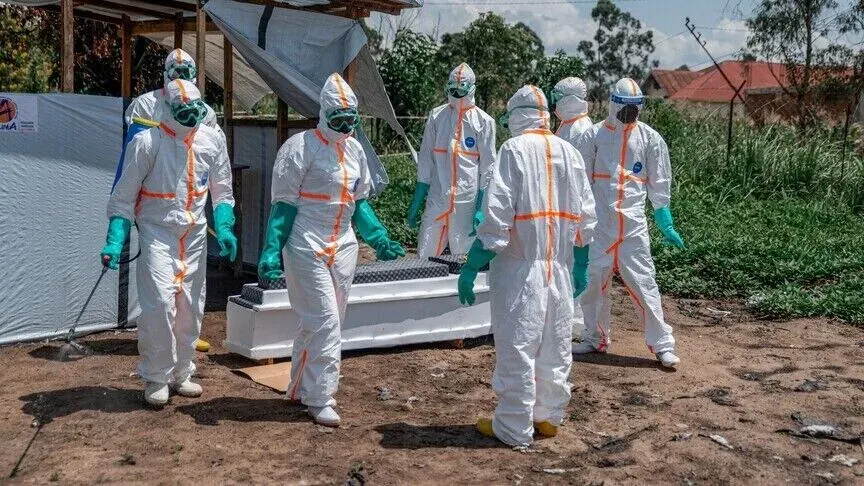
On the ground, Médecins Sans Frontières has deployed more than 1,400 staff across Ituri, North Kivu, and South Kivu in DRC, alongside teams in Kampala, Bwera, and Arua in Uganda. The organization currently runs seven Ebola treatment centers, with two more under construction, and had admitted over 843 patients by early July, including 357 confirmed cases and 116 survivors, numbers that offer a genuinely hopeful counterpoint to the overall death toll.
Read More: A Judge Just Killed Trump's $100,000 H-1B Visa Fee , Here Is What That Actually Means
There's also the case of a US citizen working for a humanitarian organization in DRC, who tested positive for Bundibugyo virus and was medically evacuated to Germany on July 13, following an earlier imported case in France on June 24. These individual cases illustrate exactly why containment efforts extend well beyond DRC's own borders.
Mistakes People Keep Making When Following This Story
A common mistake is assuming existing Ebola vaccines will simply work here. They won't, at least not without modification or new development, since this outbreak involves a genuinely different viral species than the ones current vaccines target.
Another misunderstanding is treating rising case numbers as evidence the response is failing. Increased detection often reflects improved surveillance and contact tracing rather than purely worsening transmission, though the overall trajectory here does remain genuinely concerning given the consistent week over week increases.
Pro Tips For Understanding This Outbreak Responsibly
If you want to follow this story with real understanding, watch two things specifically. Watch WHO and ECDC situation reports for province level spread, since new geographic areas reporting cases, like Tsopo and Haut-Uele recently, indicate whether containment efforts are holding or losing ground. And if you're traveling to the region, check current CDC guidance directly, since as of mid July, travel advisories specifically recommend avoiding non essential travel to Haut-Uele, Ituri, North Kivu, South Kivu, and Tshopo provinces.
Closing Thoughts
There's something sobering about watching a country face its seventeenth iteration of the same devastating disease, in communities already worn thin by conflict and displacement. The Ebola outbreak DRC crisis isn't just a statistics story, it's a reminder of how thin the margin remains between contained outbreaks and international emergencies, especially when the virus itself doesn't match the tools built to fight it.
This is a serious public health topic, and if you or someone you know has questions about personal risk or recent travel to affected regions, reaching out to a healthcare provider or local health authority is the most reliable next step.
Read More: Oman in the Crossfire: Why the World's Most Neutral Nation Is Now Under Enormous Pressure
Disclaimer: This article is based on information available across the web. Parchar Manch does not take responsibility for its complete accuracy, as the content could not be fully verified.
FAQs
What virus is causing the current Ebola outbreak in DRC?
This outbreak is caused by the Bundibugyo virus, a different species from the more commonly known Zaire ebolavirus that existing vaccines target.
How many cases and deaths has this outbreak caused so far?
As of July 12, 2026, DRC reported 1,926 confirmed cases and 702 related deaths, with 753 patients currently hospitalized.
Is there a vaccine for this specific outbreak?
No licensed vaccine or specific therapeutic currently exists for Bundibugyo virus disease, though supportive care and experimental treatments are being used.
Has this Ebola outbreak spread beyond DRC?
Yes, confirmed or imported cases have appeared in Uganda, France, and through medical evacuation, Germany, in addition to spread within DRC's own provinces.
When did the World Health Organization declare this a global emergency?
The WHO declared it a public health emergency of international concern on May 16, 2026, just one day after laboratory confirmation.
Which organizations are responding to this outbreak?
Médecins Sans Frontières, the WHO, the US CDC, and government agencies from the UK, US, and European Union are all involved in funding and on ground response efforts.