Elon Musk On AI Market Crash: Why He's Not Worried, Even As Nasdaq Wobbles
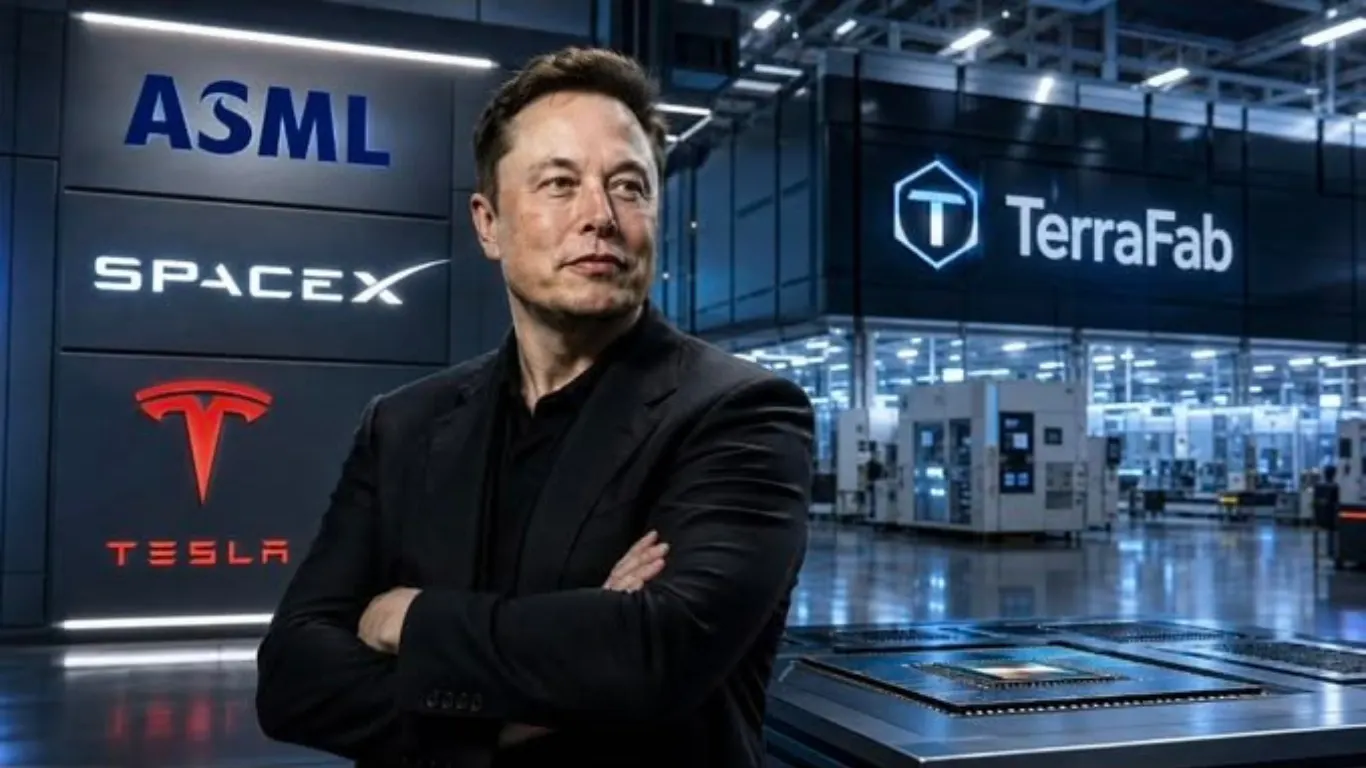
A well known Silicon Valley venture capitalist posted that the crash is coming, and that it's necessary. Musk replied within hours. Not with panic, not with a defense, just a shrug dressed up as economics. The Elon Musk AI market crash response happening on X this week is a genuinely useful window into how the people building this technology are actually thinking about its risks, whether or not you agree with them.
Why This Actually Matters Beyond One Tweet?
If you've got money in the stock market, even indirectly through a retirement fund, this conversation touches you more than it might seem. The Nasdaq recently headed for its worst weekly loss in over a year, and the S&P 500 was on track for a fifth straight drop. When someone as influential as Musk, whose own companies are deeply tied to AI valuations, weighs in publicly on crash fears, markets pay attention, and so should anyone whose savings sit in index funds tracking these same companies.
Read More: Japanese Yen Falls to Weakest Level Against Dollar Since 1986, Here's What That Actually Means
What Actually Happened This Week?
Technology commentator Robert Scoble shared an article on X from a Silicon Valley venture capitalist arguing that an eventual AI market crash would be necessary, framing it as a required step toward a longer term technological boom. Musk responded directly, writing that there are always momentary dips, even in a rapidly growing economy, and that the productivity gains from AI and robotics are so enormous that the macro trend is overwhelmingly up.
It's a classic Musk move, acknowledge the turbulence exists, then wave it away as noise beneath a much bigger signal.
What A Market Bubble Actually Is, Explained Simply?
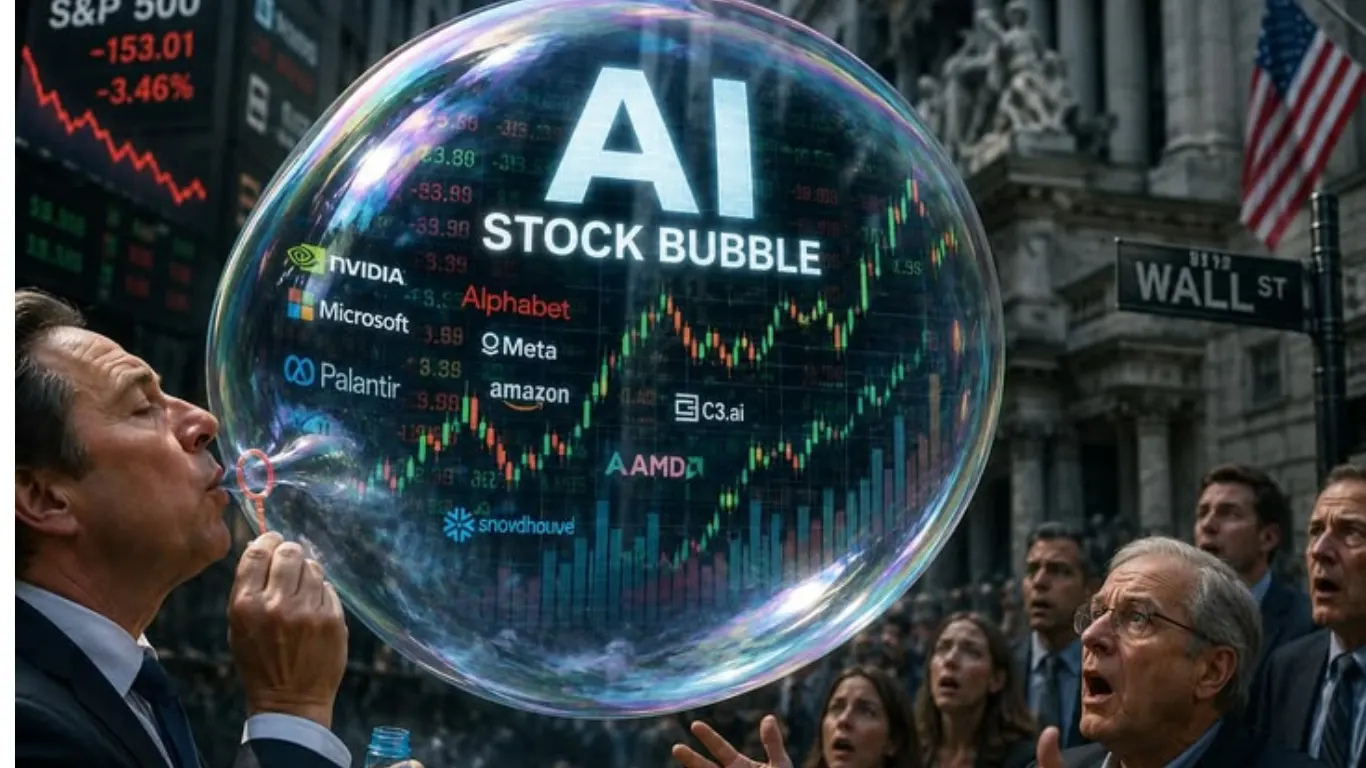
Think of a bubble like blowing up a balloon at a party. For a while, it just keeps expanding, looking impressive, drawing attention. Eventually though, either it pops suddenly, or someone lets the air out gradually before that happens. Right now, a growing number of voices, from Bridgewater's Ray Dalio to various Wall Street analysts, are debating which version applies to AI stocks. Musk's position is essentially that this isn't a balloon at all. It's a genuinely bigger economy taking shape, and the wobbles are just growing pains.
Read More: HDFC Bank Appoints Rajiv Kumar as Part-Time Chairman, Ending a Months-Long Governance Search
How This Debate Has Actually Been Unfolding?
- Bridgewater Associates founder Ray Dalio recently said rapid gains in AI related stocks resemble previous technology bubbles.
- Goldman Sachs warned that rising AI infrastructure costs could pressure company profitability before those massive investments are fully monetized.
- Meanwhile, tech companies have continued pouring hundreds of billions of dollars into AI chips and data centers, seemingly undeterred by these warnings.
- SpaceX, which Musk merged with his AI company xAI earlier this year, made its historic public market debut on June 12 at a valuation reportedly near 1.78 trillion dollars, and its stock performance since has been mixed, with Benzinga's tracking showing a negative price trend across short, medium, and long term windows.
- Financial commentators have separately questioned whether SpaceX's own market debut could end up being the event that finally tips broader AI market sentiment.
Real Numbers That Add Context Here
Capital Economics reportedly predicted the S&P 500 would climb to 8,250 by the end of 2026, up 12 percent from recent levels, before collapsing 21 percent to 6,500 by the end of 2027. That's not a fringe prediction either, it's coming from an established research firm describing what some analysts call a coming blow off phase, more gains before any real correction hits.
Mistakes People Keep Making In This Debate
Don't assume Musk's optimism means there's no real risk here. His comments reflect genuine conviction, sure, but they also happen to align neatly with his own financial incentives across Tesla, SpaceX, and xAI. That doesn't make him wrong, but reading his reassurance as neutral analysis rather than an interested party's perspective misses an important piece of context.
Pro Tips For Making Sense Of This Noise
If you're trying to separate signal from noise here, watch what large institutions actually do with their money, not just what executives say publicly. Alphabet raising nearly 85 billion dollars through a secondary stock offering, and Nvidia raising 25 billion through its first ever debt sale, tell you plenty about how confident insiders remain, regardless of the public back and forth over crash predictions.
A Quiet Closing Thought
There's something almost predictable about watching the people most invested in a boom insist it isn't a bubble, while the people warning about a bubble often aren't the ones holding the biggest stakes in it. Maybe the truth sits somewhere uncomfortably between both camps, which is usually where these things actually land.
Disclaimer: This article is based on information available across the web. Parchar Manch does not take responsibility for its complete accuracy, as the content could not be fully verified.
FAQs
Q1: What did Elon Musk say about an AI market crash?
He said momentary dips are normal even in a rapidly growing economy, and that AI and robotics productivity gains are so significant that the overall macro trend remains overwhelmingly positive.
Q2: Is the stock market currently showing signs of an AI bubble?
Some analysts, including Ray Dalio, believe recent gains in AI stocks resemble past technology bubbles, while others describe current conditions as a healthy but stretched boom.
Q3: How is SpaceX connected to this AI market conversation?
SpaceX merged with Musk's AI company xAI and went public in June 2026 at a valuation near 1.78 trillion dollars, making its market performance a closely watched indicator of AI investor sentiment.
Q4: What are experts predicting for the stock market in the near future?
Some forecasts, like Capital Economics, predict further gains through 2026 followed by a significant correction in 2027, describing a possible blow off phase before any downturn.
Q5: Should personal investors worry about an AI market crash?
This is a genuinely contested topic among experts, and individual circumstances vary, so it's not something a single tweet, from Musk or anyone else, should fully resolve for anyone's personal financial decisions.