England's HPV Vaccination Study Just Proved Something Extraordinary About Cervical Cancer Deaths
A number that should be celebrated everywhere: zero.
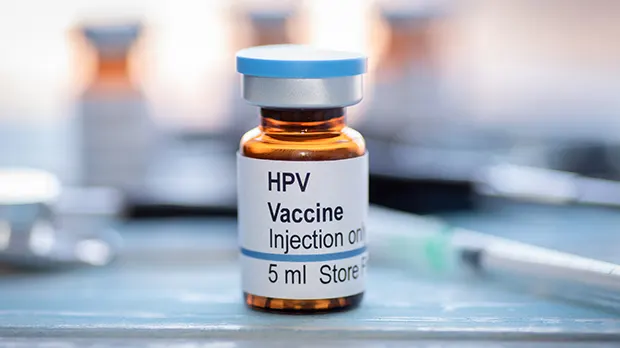
Between 2020 and 2024, there were no recorded deaths from cervical cancer among women aged 20 to 24 in England. Not fewer. None. For the first time since records began, that age group saw the death toll reach zero. And the reason is a vaccine that has been quietly doing its job since 2008.
A landmark study published in The Lancet, funded by Cancer Research UK and led by Queen Mary University of London, has confirmed what public health experts have long hoped for: the HPVaccination prog vramme in England is not just reducing cervical cancer. In the youngest vaccinated generations, it is effectively eliminating deaths from it.
What the HPV Vaccination Study in England Actually Found
The researchers analysed cervical cancer mortality data from England between 2001 and 2024, looking at women in the age groups that would have been first reached by the vaccination programme. The findings are striking in their clarity.
Children who were vaccinated at age 12 to 13 have close to zero risk of dying from cervical cancer before the age of 30.
From 2015 to 2019 there was an 80% reduction in cervical cancer deaths among women aged 20 to 24. Between 2020 and 2024, when HPV vaccine coverage in this cohort was close to 90%, that number reached zero.
Prior to the introduction of the vaccination programme in England in 2008, around 20 cervical cancer deaths were recorded annually among women under 30. The contrast between then and now is not incremental. It is transformational.
Read More: Manoj Bajpayee Calls Ramayana and Varanasi Budget Hype a "PR Tactic" , And He Has a Point
How the HPV Vaccine Works and Why Age Matters So Much
Human papillomavirus (HPV) is a common infection spread through skin contact and sexual activity. Most people who contract it never know they have it. But certain strains of HPV, if they persist in the body over time, can cause changes to cells in the cervix that eventually become cancer. The process typically takes years or even decades, which is why cervical cancer tends to affect women in their thirties, forties, and beyond.
The vaccine works by preventing HPV infection in the first place. It does not treat an existing infection. That is why timing matters so much. Vaccinating at age 12 or 13, before most young people become sexually active, gives the body a chance to build protection before any exposure to the virus occurs.
The jab was introduced for girls in 2008 and extended to eligible boys in 2019, as boys can carry and transmit HPV and are also at risk of other HPV-related cancers.
The Lives Saved and the Warning Still Attached
Professor Peter Sasieni, lead author from Queen Mary University of London, estimated that since its introduction, HPV vaccination has prevented nearly 200 young women from dying from cervical cancer in England. He added that this figure is only the beginning. As vaccinated generations age into their thirties, forties, and beyond, the number of lives saved will grow substantially.
But the study carries a warning alongside its good news. Uptake remains below the level needed to eliminate cervical cancer as a public health problem, with just 76 to 86 percent of girls and 71 to 80 percent of boys in the UK vaccinated by age 15, with even lower uptake in more deprived areas.
Cancer Research UK noted that around one in four young people currently leaves school unprotected. That gap is not a small problem. It means the progress demonstrated in this study is not guaranteed to continue.
People who have received the vaccine should still take part in cervical screening when invited, as the vaccine does not protect against all high-risk strains of HPV. The HPV vaccination and cervical screening combined remain the most effective way to prevent cervical cancer.
Read More: RBI Holds Repo Rate at 5.25%: What the June 2026 MPC Decision Really Means for Your Money
Closing Thoughts
A vaccine that has effectively eliminated deaths from cervical cancer in young women is remarkable public health progress by any measure. The England study is not a forecast or a projection. It is a documented outcome. The question now is not whether the HPV vaccine works. That is answered. The question is whether the systems around it, the uptake in schools, the access in deprived communities, the awareness among parents and young people, can sustain and extend what this evidence has proved is possible.
Zero deaths in a generation. That is worth protecting.
If you have concerns about your own health or eligibility for HPV vaccination or cervical screening, speaking with a qualified healthcare professional is always the most reliable next step.
Disclaimer: This article is based on information available across the web. Parchar Manch does not take responsibility for its complete accuracy, as the content could not be fully verified.