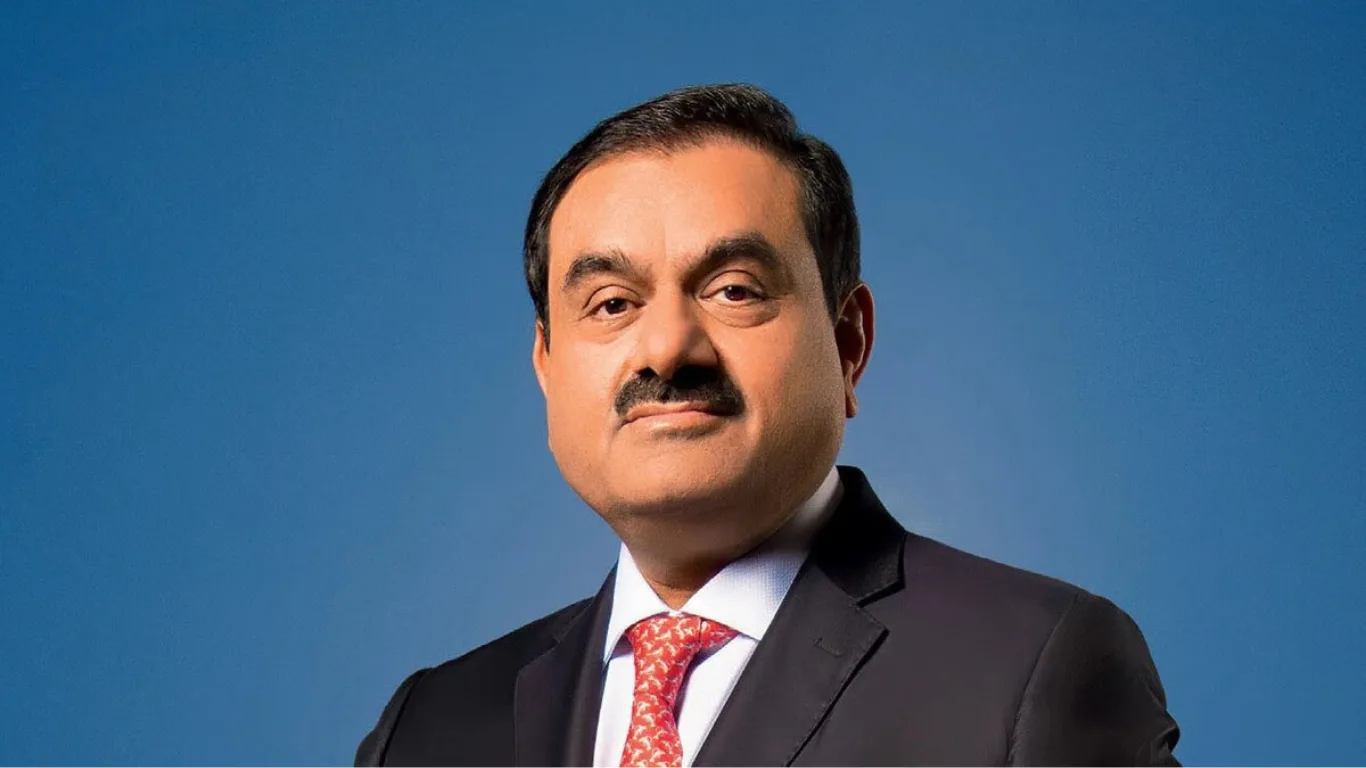
Gautam Adani US Fraud Case: The $265 Million Bribery Scandal That Shook the World , and How It Ended
There are legal cases that stay in courtrooms. And then some cases move markets, topple deals across three continents, and reshape the reputation of one of the world's most powerful businessmen. The Gautam Adani US fraud case was the second kind.
From the moment federal prosecutors in Brooklyn unsealed a five-count criminal indictment in November 2024, the story of Adani Group bribery allegations became more than a corporate scandal. It became a geopolitical flashpoint, a test of US-India relations, and a front-row look at how power, money, and law intersect at the very top.
Here is everything you need to know , from the beginning to the dramatic resolution just days ago.
What the US Fraud Case Against Gautam Adani Was Really About
On November 20, 2024, a five-count indictment was unsealed in Brooklyn, charging Indian energy company executives Gautam Adani, Sagar Adani, and Vineet Jain with securities and wire fraud in connection with a multi-billion-dollar scheme involving false statements to US investors and global financial institutions.
In plain terms: prosecutors alleged that Adani Green Energy executives promised Indian government officials the equivalent of hundreds of millions of dollars in exchange for government contracts to purchase solar energy at inflated rates , and then lied to American investors about it while raising money in US capital markets.
The Securities and Exchange Commission accused Indian billionaire Gautam Adani and his nephew Sagar Adani , both leaders of Adani Green Energy Limited , of promising to pay Indian government officials the equivalent of hundreds of millions of dollars in exchange for government contracts to purchase energy at inflated rates.
That last part is why American courts had jurisdiction. The actual alleged conduct happened in India. But the fundraising happened in the US, and that is what put it squarely in Brooklyn's lap.
Why This Case Mattered Beyond Just One Billionaire
Gautam Adani is not just a rich man. He is arguably India's most consequential infrastructure builder of the last 30 years. Adani Group operates ports, airports, power plants, logistics businesses, renewable energy projects, and mining operations across India and abroad. According to the Bloomberg Billionaires Index, Adani's net worth recently exceeded $100 billion, placing him among the wealthiest individuals in the world.
So when Brooklyn prosecutors made their move, the ripple effects were immediate and global. After the Brooklyn case was announced, Kenya's president cancelled multimillion-dollar deals with the Adani Group for airport modernisation and energy projects. Adani Green Energy withdrew its wind energy projects from Sri Lanka after the island nation sought to renegotiate prices. A French oil giant also paused new investments.
Markets responded harshly. The legal cloud cost Adani Group companies billions in market capitalisation practically overnight.
Read More: Modi's Matua Gambit: The One Speech That Could Decide West Bengal's 2026 Election
The Bribery Allegation , Explained Simply
Think of it this way. You own a solar energy company. You want a long-term government contract to supply electricity. But government contracts are competitive, and you are not guaranteed to win.
So, prosecutors alleged, certain executives within the Adani orbit allegedly arranged to pay Indian state electricity distribution officials over $250 million in bribes to secure contracts worth more than $2 billion in projected profits.
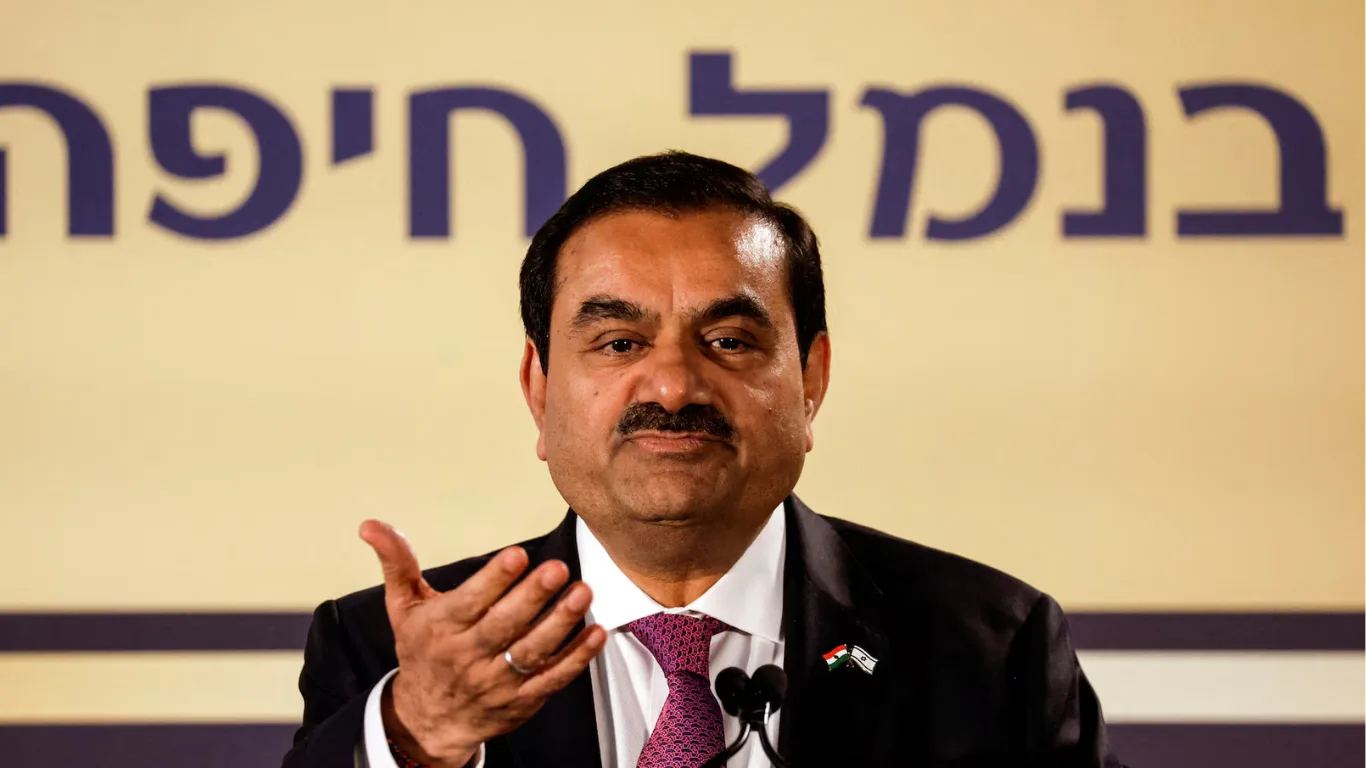
The Justice Department had alleged in its case that the defendants' fraud in winning solar energy contracts had been concealed as they sought to raise money from US investors.
US investors were told this was a clean, above-board renewable energy project. They were not told, allegedly, that the contracts underpinning it were secured through corrupt means. That misrepresentation , to American investors , is what made it a US crime.
Read More: Sun Pharma's $11.75 Billion Organon Acquisition: India's Biggest Pharma Bet Explained
How the Case Stalled , and the Role of Trump
Here is where the story takes a turn that few legal analysts predicted quite so clearly.
According to Bloomberg, none of the defendants appeared in a US court because they were outside American jurisdiction when the charges were filed. With no extradition mechanism available and India not acting on US requests for summons delivery, the criminal fraud indictment was effectively frozen in place.
Then Donald Trump returned to the White House.
In March 2025, Trump suspended the Foreign Corrupt Practices Act, a law banning business bribes overseas, raising expectations among some in India that the Adanis' case was fatally damaged.
Meanwhile, Adani's legal team got creative. Adani's counsel had allegedly promised to invest $10 billion in the US economy and create 15,000 jobs if the charges were dropped, a New York Times report said. According to The New York Times, Adani recently hired a new legal team led by Robert J. Giuffra Jr., co-chairman of Sullivan & Cromwell. The newspaper reported that Giuffra met senior Justice Department officials in Washington in April 2026 and argued prosecutors lacked sufficient evidence and jurisdiction to pursue the case.
It is worth noting that Robert Giuffra is also a personal attorney for President Trump himself. The convergence of legal, political, and financial forces here is hard to ignore.
The Settlement , Three Separate Resolutions
By mid-May 2026, the case began unwinding on three fronts simultaneously.
The SEC Civil Case: Under the settlement, Gautam Adani will pay a $6 million penalty, while Sagar Adani will pay $12 million. Both men have consented to "entry of the final judgment without admitting or denying the allegations made in the civil complaint." The total civil penalty , $18 million , is notably small relative to the scale of the alleged scheme.
The DOJ Criminal Case: The Justice Department said Monday that it would drop its criminal fraud charges against billionaire Indian businessman Gautam Adani, a significant reversal in a high-profile case. The Trump administration asked a federal judge to permanently throw out the indictment, saying it had "reviewed this case and has decided, in its prosecutorial discretion, not to devote further resources to these criminal charges against individual defendants."
The Iran Sanctions Case: Separately, Adani Enterprises Ltd agreed to pay $275 million to settle its potential civil liability for apparent violations of OFAC sanctions on Iran. The matter related to apparent violations involving imports of Iranian LPG through Mundra Port in Gujarat. From November 2023 to June 2025, AEL purchased shipments of liquefied petroleum gas from a Dubai-based trader purporting to supply Omani and Iraqi gas.
All three matters , the DOJ indictment, the SEC civil fraud case, and the OFAC Iran sanctions violation , have now been resolved.
What the Adani Group Says
The group has maintained consistent, firm denials throughout. Adani Group, which is based in the Indian city of Ahmedabad, denied the allegations in 2024, calling them "baseless." On the Iran-related LPG issue, the group stated it did not deliberately evade sanctions, and that once they became aware of compliance risks, they halted imports and strengthened internal controls , steps that OFAC cited when agreeing to reduce the financial penalty from a theoretical maximum of $384 million down to $275 million.
The civil SEC settlement includes no admission of wrongdoing. In law, that distinction matters enormously.
Read More: Russia Launches Progress MS-34 Cargo Ship to the ISS, Delivering Over 2.5 Tonnes of Vital Supplies
Where Adani Group Stands Today
Despite everything, the business has held up. Shares of Adani Enterprises are up roughly 24% this year, while Adani Green is up around 41%. The company reported record EBITDA figures and continues aggressive capital expenditure across infrastructure and logistics.
What the past 18 months have proved, though, is that securities fraud charges, wire fraud allegations, and the reach of US financial markets regulation can touch even the most powerful of global businessmen , no matter where they are sitting.
Closing Thoughts
There is something quietly instructive about how this case ended. The criminal charges are gone. The civil penalties are paid , without admission of guilt. The Iran-linked sanctions case is settled. And the Adani Group is moving forward.
But the questions this case raised about corporate governance, the use of US capital markets by foreign conglomerates, and the intersection of politics and prosecution are not so neatly wrapped up. The world's financial system is deeply connected. When a company raises money in New York, it is accountable to New York's rules , regardless of where the underlying business happens.
That is not a small idea. And it is probably worth sitting with.
Disclaimer: This article is based on information available across the web. Parchar Manch does not take responsibility for its complete accuracy, as the content could not be fully verified.
Read More: Shreyas Iyer on His Career: From BCCI Contract Snub to India's White-Ball Captaincy Race
FAQs
What exactly was Gautam Adani charged with in the US?
Federal prosecutors in Brooklyn charged Gautam Adani, his nephew Sagar Adani, and others with securities fraud and wire fraud. The core allegation was that they paid over $250 million in bribes to Indian government officials to win solar energy contracts, and then concealed that bribery from American investors while raising billions in US capital markets.
Were the charges proven in court?
No. Gautam Adani was never arrested, never appeared in a US court, and the DOJ dropped the criminal indictment in May 2026. The SEC civil case was settled with Gautam Adani paying $6 million and Sagar Adani paying $12 million , without either admitting or denying the allegations.
What is the Iran sanctions case about?
This is a separate matter. Adani Enterprises purchased shipments of liquefied petroleum gas from a Dubai-based trader that, according to US regulators, was actually supplying Iranian gas , in violation of US sanctions on Iran. Adani Enterprises agreed to pay $275 million to settle that case.
Did politics play a role in dropping the charges?
Reports indicate that Adani's legal team , led by Robert Giuffra, a personal attorney for President Trump , met DOJ officials and argued the case lacked sufficient evidence. There were also reports of Adani's team offering to invest $10 billion in the US economy. The DOJ cited "prosecutorial discretion" for its decision not to pursue the case further.
What does "without admitting or denying allegations" mean in the SEC settlement?
It is a common settlement structure in US securities law. The accused party pays the penalty and agrees to the court's judgment, but is not required to formally admit guilt. It closes the legal matter without creating a formal finding of wrongdoing that could be used in other litigation.