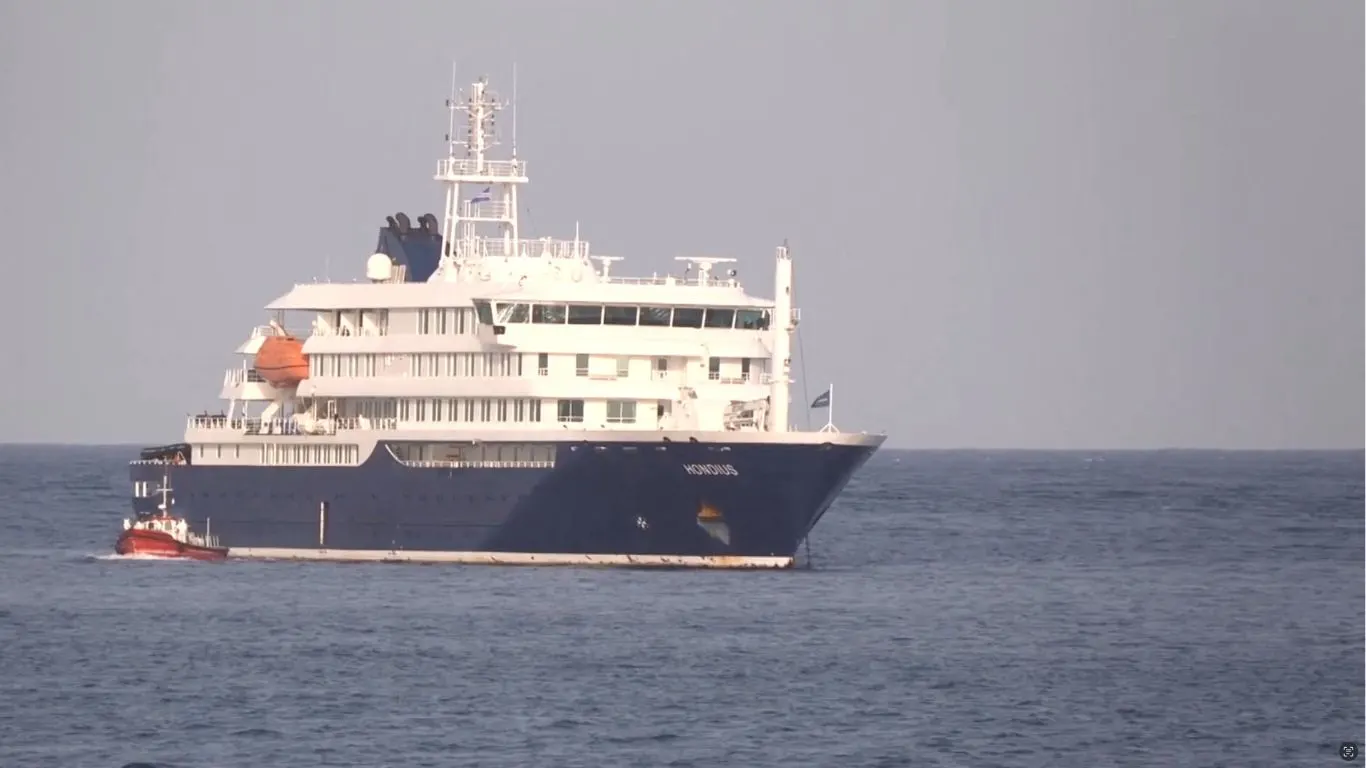
Hantavirus on the MV Hondius: What We Know, What Is Still Unclear, and Why the World Is Watching
A cruise ship carrying nearly 150 passengers from 23 countries is at the centre of one of the most closely tracked infectious disease events in years. The MV Hondius hantavirus outbreak has resulted in three deaths, at least eight confirmed or suspected infections, and a multinational scramble involving the WHO, CDC, multiple governments, and port authorities across the Atlantic.
This is not a story about a pandemic. The WHO has been clear about that. But it is a story worth understanding carefully, because hantavirus is not a disease most people know much about, and the circumstances of how this outbreak developed are genuinely unusual.
What Is Hantavirus, and Why Is This Particular Strain Alarming?
Hantavirus is not new. It has been around for decades, typically transmitted through contact with the urine, faeces, or saliva of infected rodents. Most forms of hantavirus do not pass from person to person. That last point is normally the reason public health officials stay relatively calm when it appears.
This outbreak is different. The specific species of hantavirus identified is the Andes virus, the only hantavirus known to spread between people. This spread is rare and has previously occurred, usually in cases of close, often sustained contact.
That distinction is what makes the MV Hondius situation more complicated than a standard hantavirus case. On a cruise ship, close contact between passengers is difficult to avoid.
Human hantavirus infection is primarily acquired through contact with the urine, faeces, or saliva of infected rodents. It is a rare but severe disease that can be deadly.
The illness progression described in confirmed cases is serious. Illness onset was characterised by fever, gastrointestinal symptoms, rapid progression to pneumonia, acute respiratory distress syndrome, and shock. That timeline from fever to respiratory failure can be alarmingly fast.
How the Outbreak Unfolded: The Timeline on the MV Hondius
The first suspected case was a 70-year-old Dutch man who suddenly fell ill on the ship with a fever, headache, abdominal pain, and diarrhoea. He died on board on April 11.
Working on the assumption that the Dutch couple who died were infected on the ship, WHO officials noted that the first two cases travelled through Argentina, Chile, and Uruguay on a bird-watching trip, which included visits to sites where the species of rat known to carry the virus was present.
The Argentine health ministry published a report showing the index case had gone on a four-month road trip between November 27, 2025 and April 1, 2026, spanning Chile, Uruguay, and Argentina. The index case had returned to Argentina from Uruguay only four days before the ship's departure.
That timing matters. Hantavirus has an incubation period of one to six weeks, which means someone could board a ship feeling entirely well, become infectious, and only show symptoms days later. As the hantavirus typically incubates for one to six weeks before patients start presenting symptoms, they likely fell ill some time after they were infected.
Read More: Modi's Matua Gambit: The One Speech That Could Decide West Bengal's 2026 Election
The International Response: Countries, Evacuations, and a Port Dispute
As of early May 2026, seven cases had been identified, including two laboratory-confirmed cases of hantavirus and five suspected cases, including three deaths, one critically ill patient, and three individuals reporting mild symptoms.
As of May 8, 2026, infected passengers are hospitalised in South Africa, the Netherlands, Germany, Saint Helena, and Switzerland, while the ship is still in Cape Verdean territorial waters with additional medical resources on board.
Getting the ship to a port became a geopolitical issue of its own. The president of the Canary Islands refused to receive the ship in Tenerife, saying he could not allow the Hondius to enter the Canaries. The WHO said that Spain has a moral and legal obligation to assist these people, among whom are several Spanish citizens. Despite the objections of the Canary Islands president, Spain approved the plan for the Hondius to dock in Tenerife, with its health agency stating it was in accordance with international law and humanitarian principles.
The CDC's response was swift. The CDC deployed a team of epidemiologists and medical professionals to the Canary Islands, where the MV Hondius is expected to dock. American passengers are planned to be evacuated on a US government medical repatriation flight to Offutt Air Force Base in Omaha, Nebraska, where they will be transported to the National Quarantine Centre at the University of Nebraska.
The US Centres for Disease Control and Prevention classified the outbreak as a Level 3 emergency response. That is the lowest classification on the CDC scale, signalling active monitoring rather than imminent widespread threat.
What the WHO Says About Global Risk
The question many people are asking, and understandably so, is whether this could become something larger.
WHO has said that while it expects more cases to emerge, it does not anticipate a large epidemic anywhere similar to COVID, and has underlined that there is no evidence of widespread transmission risk. Since the start of the outbreak, the World Health Organisation has emphasised that the risk of an epidemic is low due to the rarity of person-to-person Andes virus transmission, and that only limited spread among close contacts has been observed in previous outbreaks.
Read More: Narendra Modi Addresses Vijay Sankalp Sabha in Mathurapur: Impact on West Bengal Election 2026
From starting its monitoring in 1993 until 2023, the US Centres for Disease Control and Prevention detected 890 cases of hantavirus in the country, of which 35% resulted in deaths.
That fatality rate is why hantavirus commands serious attention even when case numbers are low. This is not a mild illness.
The Complication of Passengers Who Disembarked Early
One of the more complex dimensions of this outbreak is that the ship made multiple stops before the severity of the situation was understood.
During the ship's stop in Saint Helena, 30 passengers disembarked, all of whom have been contact-traced by the UK Health Security Agency.
Seventeen of the MV Hondius passengers are from the United States, and six other Americans disembarked in St. Helena on April 24. Authorities in at least five states, Arizona, California, Georgia, Virginia, and Texas, are monitoring previous passengers of the ship, and none have shown symptoms.
The situation captured international attention as some passengers had disembarked and dispersed across multiple countries before the outbreak was fully understood, prompting some to draw comparisons to the early days of the COVID-19 pandemic.
That comparison deserves context. The mechanism of transmission, primarily rodent-to-human and only rarely between people in close sustained contact, is fundamentally different from a respiratory virus with broad airborne spread. The WHO's low global risk assessment is not reassurance for reassurance's sake. It reflects the actual biology of this pathogen.
What People Should Know If They Travelled on the MV Hondius
If you or someone you know was aboard the MV Hondius at any point since late March 2026, the most important step is proactive contact with health authorities rather than waiting for symptoms. The incubation window of up to six weeks means symptoms could still be emerging.
The CDC has emphasised that the risk to the American public is extremely low, and urged all Americans aboard the ship to follow the guidance of health officials.
Symptoms to watch for include fever, headache, muscle aches, fatigue, and gastrointestinal distress in the early phase, with potential progression to severe respiratory symptoms. Seek medical attention promptly and disclose travel history.
Closing Thoughts
There is a particular unease that comes with watching a disease emerge in a closed environment and then disperse across 23 countries as passengers fly home. It is not panic. It is the kind of quiet, focused attention that a responsible public health response requires.
The MV Hondius hantavirus outbreak is a reminder that rare diseases do not always stay rare, that cruise ships and air travel compress geography in ways that complicate containment, and that the institutions built to respond to exactly these situations, the WHO, CDC, and national health agencies, do work, even when port politics temporarily get in the way.
The ship is heading to Tenerife. The investigation continues. And the world watches, carefully.
Disclaimer: This article is based on information available across the web. Parchar Manch does not take responsibility for its complete accuracy, as the content could not be fully verified.
Read More: Modi's Matua Gambit: The One Speech That Could Decide West Bengal's 2026 Election
FAQs
What is the MV Hondius, and why is it at the centre of a hantavirus outbreak?
The MV Hondius is a Dutch-flagged cruise ship operated by Oceanwide Expeditions. It departed Ushuaia, Argentina, on April 1, 2026, carrying around 147 passengers and crew from 23 countries. Several passengers contracted the Andes strain of hantavirus, believed to have been acquired in South America before or just after boarding.
Can hantavirus spread from person to person on the cruise ship?
The Andes virus, the specific strain confirmed in this outbreak, is the only hantavirus known to spread between humans. However, this is rare and typically requires close, sustained contact. The WHO has assessed the risk of a broader epidemic as low.
Can hantavirus spread from person to person on the cruise ship?
The Andes virus, the specific strain confirmed in this outbreak, is the only hantavirus known to spread between humans. However, this is rare and typically requires close, sustained contact. The WHO has assessed the risk of a broader epidemic as low.
How many people have been infected and how many have died?
As of May 8, 2026, eight suspected or confirmed cases have been identified, with three deaths. Infected passengers are hospitalised in multiple countries, including South Africa, the Netherlands, Germany, Saint Helena, and Switzerland.
What is the CDC's classification of the MV Hondius outbreak?
The US Centres for Disease Control and Prevention classified the outbreak as a Level 3 emergency response, the lowest classification on their scale, indicating active monitoring and coordinated response without indicating an imminent widespread public health threat.
What should former passengers of the MV Hondius do if they have symptoms?
Anyone who travelled on the MV Hondius since late March 2026 should contact their local health authority and disclose their travel history. Key symptoms include fever, headache, muscle aches, gastrointestinal distress, and, in severe cases, rapid respiratory decline. The incubation period for hantavirus is one to six weeks.