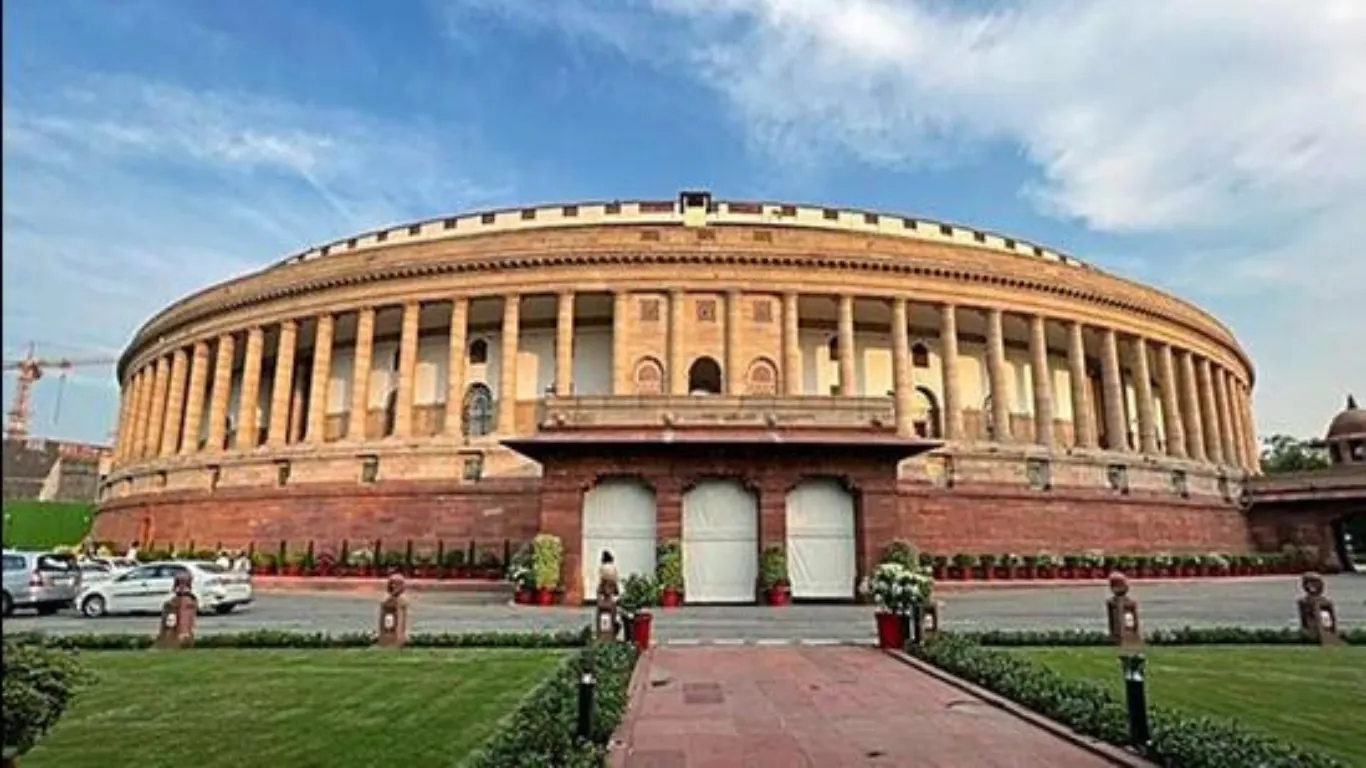
How Does the Indian Parliament Work? A Complete Beginner's Guide
The Indian Parliament can appear at times confusing on the surface. There are bills, debates and walkouts, as well as question hours, committees, votes and lengthy Parliamentary sessions. Once the pieces are arranged, the most fundamental answer to how the indian parliament function is much easier to comprehend.
The heart of Parliament is where elected officials debate national issues, create laws, appoint government officials and make sure that the government is accountable. Parliament is more than an institution where politicians make speeches. The decisions it makes can impact the tax system, education, job opportunities, as well as rights, public welfare and many other aspects of our lives.
Why Understanding How the Indian Parliament Works Actually Matters
If you are looking to know the way that major national decisions are made, it is important to know how the indian Parliament functions.
If the government decides to pass a new law. It can't just declare it and expect the whole country to adopt it instantly. There is a formal procedure. The idea could be presented as legislation, discussed, then analysed, revised and then voted upon. This is the basic premise of the way laws are created in India.
Knowing the Parliament helps people follow news about politics more attentively. The fact that a headline states that a bill was presented does not mean that the legislation has been passed into law. A bill approved by one House isn't always the final word either. Small details matter.
The Structure of Indian Parliament Explained Simply
The structure of indian parliament comprises three major parts: the President of India, the Lok Sabha, and the Rajya Sabha.
The Lok Sabha is the House of the People. Its members are elected directly by the people. Its members are directly elected by the citizens. Rajya Sabha is the Council of States that represents States and Union Territories through an indirect voting process. There are also members selected based on their knowledge.
When people are asked what the procedure is for how the indian parliament function It is helpful to imagine a system that has two Houses that are able to review crucial issues from various places.
The Lok Sabha has a particularly significant role in issues like the formation of the government and money bills. Its Council of Ministers is collectively accountable to the Lok Sabha.
That's the base of the structure of the indian the parliament of India. It is simple on paper. The layers are more complex in practice.
How Does the Indian Parliament Work During Parliamentary Sessions in India?
Parliament doesn't meet all day long throughout the year. Its work happens during sessions of the Parliament in India, during the time in which the Houses are in session for official business.
These sessions typically include Question Hour, Zero Hour deliberations, discussion on legislative matters and crucial national issues. In Question Hour, members can inquire of ministers about the work they do in their departments. This is among the clearest ways Parliament reviews the actions of the government.
The President calls Parliamentary sessions in India, and the Constitution stipulates that not more than six weeks be between the conclusion of a session and the beginning of the next session.
If you are trying to figure out what goes on in the indian parliament function The sessions are the time when the system is made visible. Members speak, ministers respond to questions, bills are moved forward, while disagreements get recorded. Sometimes, debates are conducted in an orderly manner. Sometimes, they're not. Democracies can be noisy.
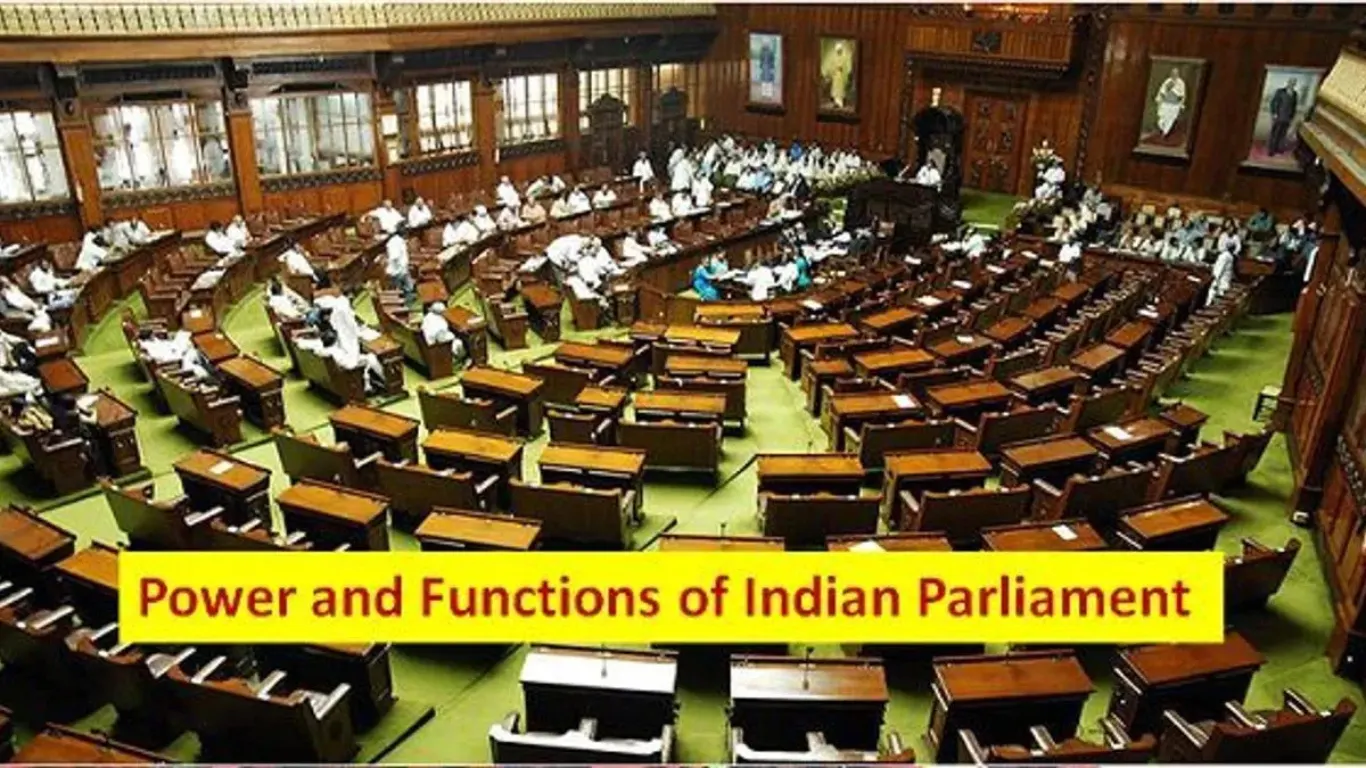
How Laws Are Made in India: From Bill to Law
The procedure for making laws in India typically starts with the introduction of a bill. The bill can be described as a draft law, but not a real law; it is a start.
Here's the basic method:
- A bill is presented in Parliament.
- Members can debate its goals and its provisions.
- It is possible to examine it more in depth, and sometimes through committees.
- The House is able to consider and vote on the matter.
- Based on the nature of the bill, it might require approval from both houses.
- After the necessary parliamentary process, it's submitted to the President for his assent.
- After the necessary constitutional steps are completed, the bill becomes law.
This is the most important solution to how the indian parliament function in the area of legislative issues. The procedure may vary for regular bills as well as money bills and amending the Constitution.
Therefore, how laws are developed in India includes voting, but the voting process is just one aspect. Debate and scrutiny also matter.
Parliamentary Committees Explained: Where Much of the Detailed Work Happens
A portion of Parliament gets less attention in the daily news: parliamentary committees explained in plain terms are smaller groups comprised of members who examine particular questions, bills, budgets and government operations in greater depth.
Imagine the House as a big gathering where important decisions are discussed in public. Committees function more as specific working groups that look at the details of the law.
This is the reason committees of the House are essential for getting the most from the system. They may be able to examine technical issues which are difficult to address clause-by-clause during the limited House time.
If someone is looking to know how the indian parliament function, committees provide vital information: Parliament's work is not restricted to telecast speeches.
A Real-World Example Makes It Clearer
Imagine that the government is introducing legislation related to public policy. According to reports, the bill was introduced by the Lok Sabha.
At the moment, it's an idea.
Members may debate it. The idea could be given a closer analysis. The proposal could be modified. The bill will then have to go through the legislative process required before it can become law.
This is the reason how does the indian parliament function cannot be answered simply: "MPs vote on laws." The process involves the structure of the indian parliament as well as legislative steps, parliamentary sessions in India, and, in many cases, thorough scrutiny.
It is also the real nature of the way laws are made in the country of India.
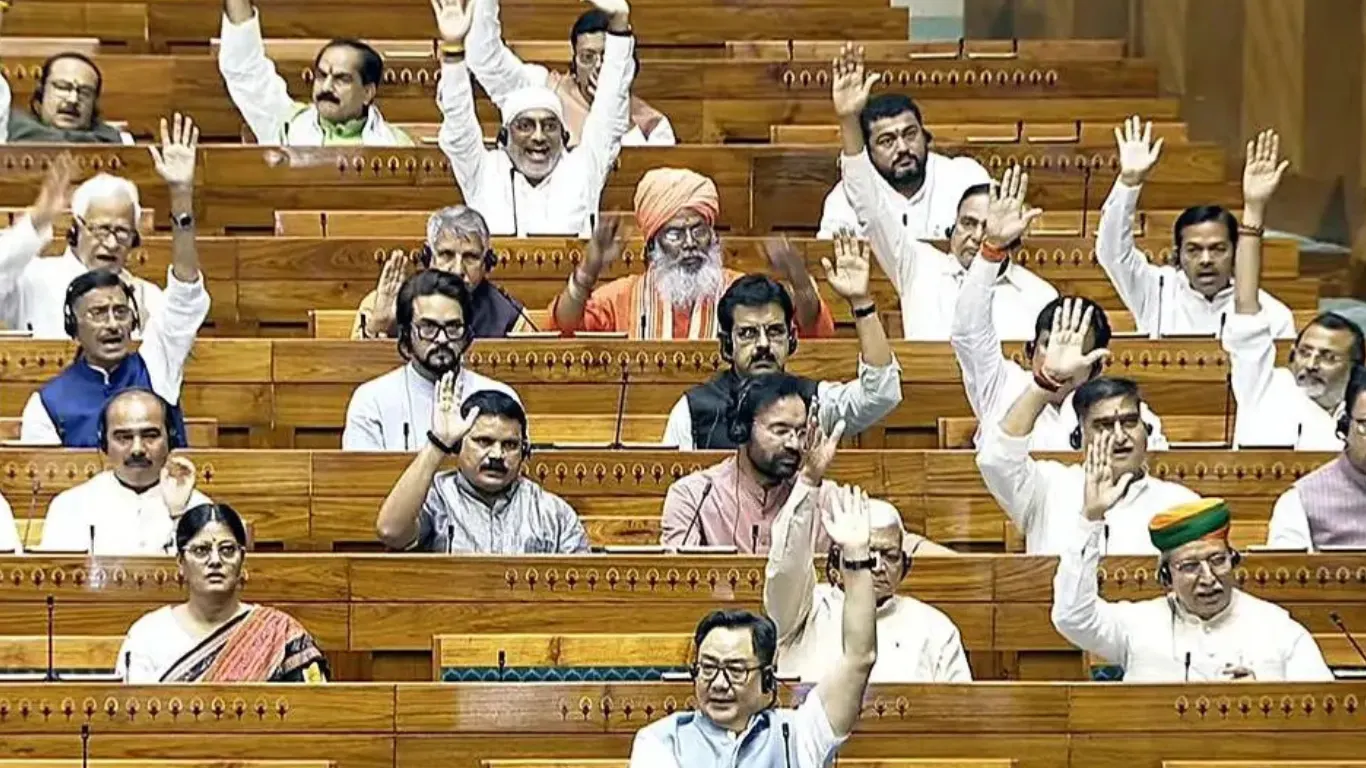
Mistakes People Often Make About Parliament
An error that is common is to think that the government and Parliament are the same thing. They are linked; however, they aren't the same. The federal government handles the executive aspect of administration, whereas Parliament is responsible for oversight and legislative tasks.
Another mistake is thinking that every announcement is law. This isn't the case. A bill, a proposal, a rule, and an enacted law are all different things.
Some people are also unaware of committees. But the parliamentary committees described clearly demonstrate how in-depth examination is possible from the most raucous political debates.
Then there's the notion that only debates that are dramatic count. Quiet work matters too. Budget scrutiny, inquiries to ministers and committee reports might not always be the focus of the news, but they are essential to how accountability for Parliament operates.
How Does the Indian Parliament Work? A Few Practical Ways to Follow It Better
If you're looking to learn how the indian parliament function beyond the textbook definitions, be aware of the current stage of a matter. Find out if a bill was only presented, approved by one House and then completed the necessary procedure or has actually been made law.
Also, be aware of the differences in the Houses of both. The structure of the indian the Indian Parliament was created to give the legislative process a greater layer of scrutiny.
Keep track of what takes place during Parliamentary sessions in India, particularly debates, questions and important votes. If a difficult subject is discussed in the news, be aware of the importance of committees. This is the time when the explanations of parliamentary committees are most helpful.
Closing Thoughts
Also, how does the indian parliament function? Through debate, representation, legislation, financial control and oversight by the authorities.
It's a system that is built around rules, processes, as well as competing opinions. Sometimes, the process can feel slow. This can be a source of frustration. However, it also provides space for discussion and reflection before making decisions that are binding for many millions.
The more thoroughly you comprehend how the indian parliament function, the simpler it is to understand political news without becoming lost in the chaos. Perhaps that's the true benefit of studying the subject. Parliament isn't far from the daily routine. The work of Parliament eventually gets done.
FAQs
What is the way that the Indian Parliament functions in a few terms?
It gathers representatives to discuss national issues, draft laws, authorise certain government expenditures and make sure that the government is accountable.
What is the structure of the Indian Parliament?
The structure of indian parliament comprises the President, Lok Sabha and Rajya Sabha.
How do laws get created in India?
The procedure for how laws are formulated in India typically involves introducing a bill, scrutiny, debate, and approval at the required steps of the parliamentary process and then, finally, assent of the President.
How many sessions of the parliamentary session occur in India?
There isn't a specific constitutional requirement to hold the exact number of named sessions every year; however, Parliament usually has sessions, including those of the Budget, Monsoon and Winter sessions. The most important constitutional requirement is that the time between sessions should not be more than six months.
What are the committees in a parliamentary session?
Parliamentary committees are smaller groups of members who examine budgets, bills, policies, and other subjects in more depth.
How can citizens be aware of the way in which the Indian Parliament functions?
Understanding how the indian parliament function assists people in following the news on politics, recognize the distinction between the two and gain a better understanding of how decisions made by the national government are taken.