India China Line of Actual Control Talks: What the 36th Border Meeting Actually Settled, and What It Didn't
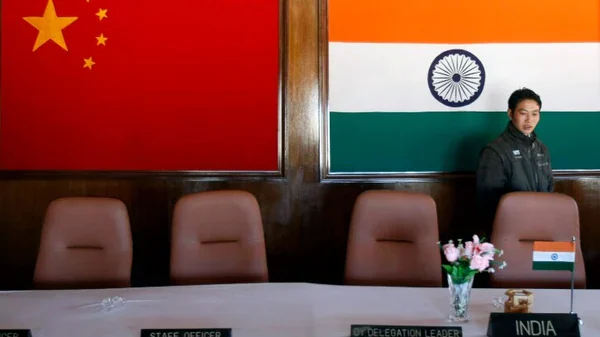
Two diplomats sat across a table in New Delhi this week, and somehow that quiet, unglamorous meeting matters more to regional peace than most headlines give it credit for. That's the strange thing about border diplomacy. It rarely looks dramatic from the outside. No soldiers, no tanks, no breaking news chyrons. Just officials, a long agenda, and years of accumulated mistrust sitting in the room with them. This is where the latest round of India China Line of Actual Control talks took place, and yes, it's worth understanding what actually happened, because the timing is not a coincidence.
Why This Round of Talks Landed at a Genuinely Tense Moment
Here's what makes this meeting matter right now, more than it might have a year ago. Chinese President Xi Jinping is expected to visit India in September for the BRICS summit, and nobody in New Delhi or Beijing wants a border flare-up disrupting that visit. So this round of LAC talks wasn't just routine housekeeping. It was, in a quiet way, groundwork for a much bigger diplomatic moment.
For ordinary readers, here's why this should register beyond geopolitics class. India and China are two nuclear-armed neighbors sharing one of the most disputed, high-altitude borders on earth. When their diplomats talk, the odds of accidental military escalation go down. When they stop talking, history shows things can spiral fast, deadly clashes in 2020 proved that all too clearly. So every round of dialogue, however procedural it sounds, is really a small act of risk management.
What the Line of Actual Control Actually Is, Explained Without the Jargon
Quick refresher, because not everyone grew up tracking this. The Line of Actual Control isn't an internationally recognized, surveyed border like the one between, say, the US and Canada. It's more like an unofficial, disputed line where Indian and Chinese forces currently hold ground, shaped by history, old wars, and years of unresolved negotiation rather than a signed treaty. Both sides interpret parts of it differently. That mismatch is exactly why patrols sometimes bump into each other, and why mechanisms like the one used this week exist at all.
The forum for this particular round was the Working Mechanism for Consultation and Coordination on India China border affairs, known by its acronym, WMCC. Think of it as the standing committee whose entire job is to keep tempers cool and communication open, even when the bigger disputes stay unresolved for years.
How the Latest Round of Border Talks Actually Played Out
- The meeting happened in New Delhi, marking the 36th session of the WMCC since the mechanism was created.
- India's delegation was led by Sujit Ghosh, Joint Secretary for East Asia at the Ministry of External Affairs.
- China's delegation was led by Hou Yanqi, Director General of the Boundary and Oceanic Affairs Department.
- Both sides reviewed the current situation along the LAC and discussed boundary delimitation, meaning the technical, painstaking process of eventually agreeing on where exactly the line actually runs.
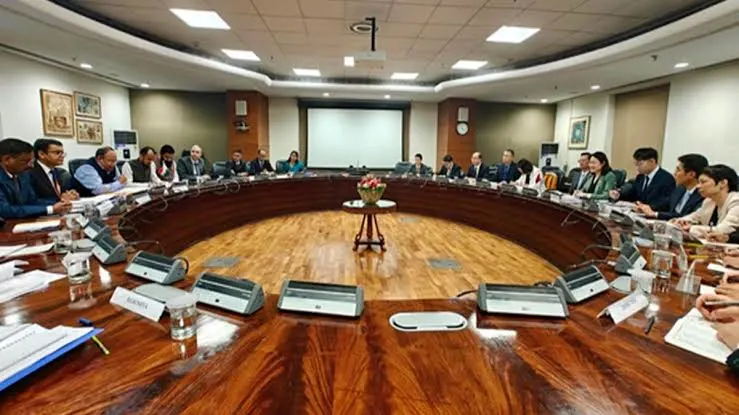
- They also discussed border management and trans-border cooperation, the practical, day-to-day questions of how troops, patrols, and local administration coexist without incident.
- The two governments reaffirmed existing channels, agreeing to keep using diplomatic and military tools, including commander-level meetings, to avoid what officials called misunderstanding and miscalculation along the border.
Notice what's missing there. No announcement of troop withdrawal. No breakthrough on the disputed sections. This was a maintenance conversation, not a resolution.
What This Looks Like When You Zoom Out
Consider eastern Ladakh, the region where the most serious standoff unfolded starting in 2020. Years of negotiation eventually led to partial disengagement agreements, troops pulling back from specific friction points like Pangong Lake and Gogra. Progress, but slow, uneven progress. This week's talks fit into that same long, grinding pattern, another incremental step rather than a dramatic resolution.
Compare that to how these things sometimes go wrong. Back in 2022, a WMCC round convened virtually made almost no headway at all, both sides simply agreeing to keep talking. That's the realistic baseline for India China border talks, small, repeated conversations that rarely make for exciting news, but quietly prevent worse outcomes.
The Mistake People Often Make Reading Stories Like This
A lot of readers see "border talks held" and assume that means the dispute is basically settled, or conversely, that nothing meaningful happened at all. Neither read is quite right. The truth sits in between. These meetings don't resolve the underlying territorial disagreement, that requires political will far above the level of joint secretaries and director generals. But dismissing them as pointless misses the actual function they serve, keeping communication channels open so a patrol confrontation doesn't turn into something worse.
What to Actually Watch For in the Coming Weeks
Keep an eye on Xi Jinping's planned September visit for the BRICS summit, since that's the real deadline shaping this diplomatic push toward border stability. Also watch whether this WMCC round leads to a fresh round of senior military commander talks, since that's historically been the next step whenever diplomatic channels report progress. And if you want a genuine signal of whether tensions are easing rather than just being managed, watch for any announcement on further troop disengagement in remaining friction points, not just reaffirmed dialogue.
A Border That Stays Quiet Through Patient, Unglamorous Work
There's something almost anticlimactic about how these meetings end, a joint statement, a few careful phrases about frank discussions and mutual respect, and then everyone goes home until the next round. But that quiet, procedural rhythm is doing real work, holding a fragile peace together one meeting at a time. The bigger disputes over the India China Line of Actual Control aren't disappearing anytime soon. What this week's talks show is that both sides, for now, still prefer managing the risk over letting it escalate. That, in itself, counts as progress.
Also Read: Xi Jinping's First Visit to North Korea in Seven Years: What It Signals and Why the World Is Watching
FAQs
What is the Line of Actual Control exactly?
It's the disputed, unofficial boundary between India and China, not a formally surveyed international border, which is why both militaries interpret certain stretches differently.
What was actually agreed at this round of talks?
Both sides agreed to keep using existing diplomatic and military channels, including the WMCC and commander-level meetings, to avoid misunderstanding and miscalculation, without announcing any new troop withdrawal.
Why does this meeting matter right now?
It comes ahead of Chinese President Xi Jinping's expected visit to India for the September BRICS summit, making border stability a priority for both governments.
Who represented India and China in these talks?
India's delegation was led by Joint Secretary Sujit Ghosh, while China's was led by Director General Hou Yanqi.
What happens after these diplomatic talks?
Typically, progress at the WMCC level leads to follow-up meetings between senior military commanders, who handle the more operational details of border management.