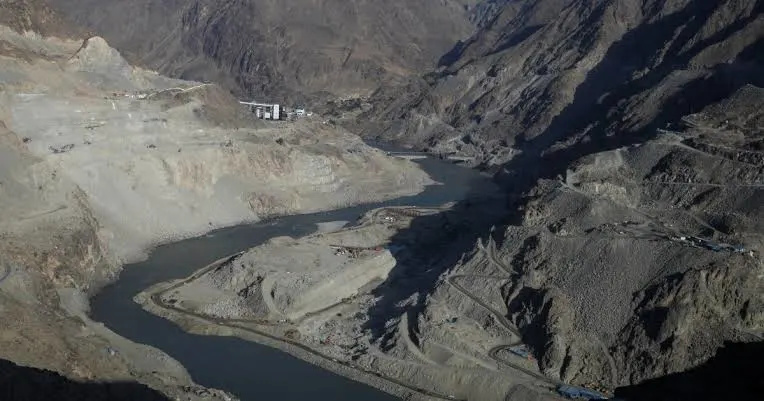
India Maintains Indus Waters Treaty Suspension: What This Means for Pakistan's Water Future
There's a quiet kind of pressure that doesn't need tanks or missiles. Water works that way. And this week, India made it clear again that the Indus Waters Treaty suspension isn't going anywhere, not until Pakistan changes course on something India has repeated for over a year now: cross-border terrorism.
No new attack triggered this latest statement. That's almost the point. This is India simply refusing to blink.
Why This Actually Matters
Here's what a lot of people miss. The Indus river system doesn't just flow through Pakistan, it basically is Pakistan's water supply. Nine out of ten Pakistanis live within the Indus basin. Ninety percent of the country's crops depend on it. All twenty one of its hydroelectric plants sit inside that basin too. So when India talks about the Indus Waters Treaty suspension, it isn't talking about some abstract diplomatic paper. It's talking about leverage over farmland, electricity, and, honestly, survival for a huge share of Pakistan's population.
That's why Pakistan's own defense minister said, plainly, that water could become a reason for war. Not water alone, obviously, but combined with everything else in the wider India Pakistan tensions, it's not an empty line.
What The Treaty Actually Is, Explained Simply
Think of the 1960 treaty like an old family agreement over shared land. Signed with World Bank backing, it split six rivers between the two neighbors. Pakistan got the western rivers, the Indus, Jhelum, and Chenab. India got the eastern ones, the Ravi, Beas, and Sutlej. For 65 years it mostly held, even through wars, which is honestly remarkable.
Then came April 2025. The Pahalgam terror attack in Kashmir killed civilians, and India responded by holding the treaty in abeyance, its word for suspended but not torn up. The Indus Waters Treaty suspension has stayed in place since, through arbitration, pressure, and sharp warnings from Islamabad.
Read More:Pope Leo XIV's "Magnifica Humanitas": The Church's Bold Stand Against AI Dehumanization
How the Indus Waters Treaty Suspension Has Progressed
This standoff is one more layer of the wider India Pakistan tensions that have built up since 2025.
- April 2025: India suspends treaty obligations following the Pahalgam terror attack
- Through 2025: Pakistan writes to India multiple times over sudden flow changes on the Chenab river
- Court of arbitration rules in June 2025 that the treaty doesn't allow unilateral abeyance, India rejects the ruling and calls the court illegal
- May 2026: The same court issues an award limiting India's water control, India rejects this too
- June 2026: India's foreign minister S Jaishankar says the suspension stays "until Pakistan completely stops cross-border terrorism"
- Early July 2026: MEA spokesperson Randhir Jaiswal reaffirms the same position, showing India isn't shifting even slightly
Real Consequences on the Ground
This Indus Waters Treaty suspension isn't only rhetoric. Analysts point out India doesn't even need to cut off water entirely to cause damage. It can simply change the timing. Release water suddenly during planting season and fields flood before they're ready. Withhold water during a critical irrigation window and crops fail quietly, without a single dramatic headline. Pakistan has already flagged unusual flow patterns on the Chenab more than once, suggesting this kind of pressure may already be happening in smaller ways across the Indus River basin.
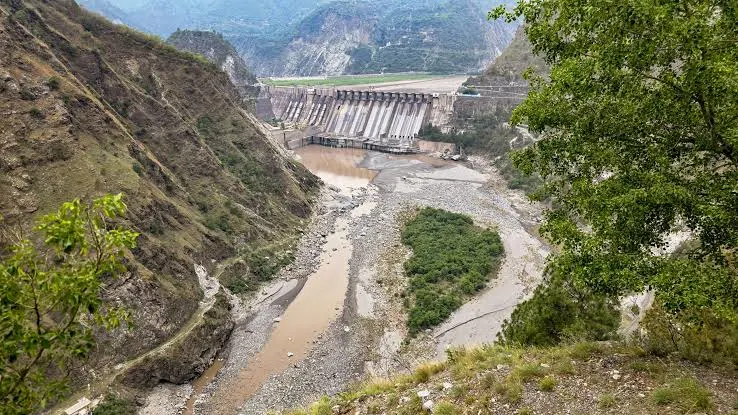
Meanwhile, glacial retreat in the basin has hit nearly 25 percent between 2001 and 2021. The Indus River basin was never designed, back in 1960, to account for climate change at this scale, or for groundwater depletion, which barely existed as a concern then.
Read More: Iran Reveals Mojtaba Khamenei's Injuries: What Really Happened the Day Tehran Was Struck
Misunderstandings People Keep Repeating
A lot of coverage frames the Indus Waters Treaty suspension as India simply cutting Pakistan off from water overnight. That's not accurate, at least not yet. India's ability to fully stop the flow remains technically limited given existing dam infrastructure. What's actually happening is slower, more about control over timing and volume than a total shutoff. Another common mix up: people assume the treaty is dead. It isn't, legally it's suspended, not terminated, which is a meaningful difference in international law even if it barely changes daily reality.
Pro Tips for Understanding This Story Going Forward
Watch India's language closely. Every official statement ties the Indus Waters Treaty suspension directly to cross-border terrorism, never anything else. That's deliberate. It gives India a single, simple condition it can point to, and it keeps the door technically open without India looking like it's negotiating under pressure.
Also watch Pakistan's economic stress. The country is already deep in IMF bailout territory. Any real disruption to Indus water flows lands on an economy with very little room to absorb shocks, which raises the stakes far beyond just farming.
Closing Thoughts
Treaties like this were built on an old assumption, that water could stay separate from politics even when everything else falls apart. That assumption is cracking now, slowly, through the ongoing Indus Waters Treaty suspension and the wider India Pakistan tensions surrounding it. Where this ends, whether through renewed dialogue or continued abeyance for years, depends on choices neither country seems ready to make yet.
Read More: Tata Sons Board Meeting: The Crisis Inside India's Most Powerful Conglomerate
Disclaimer: This article is based on information available across the web. Parchar Manch does not take responsibility for its complete accuracy, as the content could not be fully verified.
FAQs
What is the Indus Waters Treaty?
A 1960 agreement, backed by the World Bank, dividing the Indus river system's six rivers between India and Pakistan.
Why did India suspend the treaty?
India placed the treaty in abeyance after the April 2025 Pahalgam terror attack in Kashmir, citing Pakistan's continued support for cross-border terrorism.
Is the Indus Waters Treaty suspension permanent?
Legally it's suspended, not terminated. India has said it stays this way until Pakistan credibly stops backing cross-border terrorism.
Can India actually stop Pakistan's water supply?
Not entirely, current infrastructure limits a full shutoff, but India can influence timing and volume of releases from its dams.
How does this affect ordinary people in Pakistan?
Roughly nine in ten Pakistanis live within the Indus river basin, so disruptions can affect farming, electricity, and food security directly.
What has the court of arbitration ruled?
It ruled the treaty doesn't allow unilateral suspension and reaffirmed its own jurisdiction, a ruling India has rejected as illegitimate.