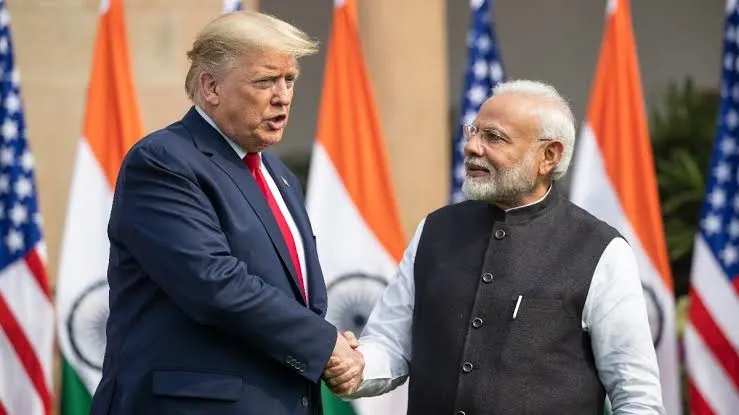
India US Trade Agreement: Why This Deal Keeps Almost Happening, Then Doesn't
Ninety nine percent. That's how close officials on both sides said the deal was, just a few weeks ago. Then, almost as suddenly, India pulled back. If you've been half following the news on the India US trade agreement and felt confused about whether it's done, close, or falling apart, honestly, you're not alone. This story has had more near misses than most trade negotiations manage in years.
Let me try to untangle where things actually stand, because the back and forth here has a logic to it, once you slow down and look.
Why This Trade Deal Actually Matters
Here's the thing that makes this more than background noise. India US trade already sits around 190 billion dollars annually, and a huge share of ordinary economic life quietly depends on it. Textiles, pharmaceuticals, IT services, agricultural exports, jewelry, all of it moves across this relationship. When tariffs rise or fall, prices shift, jobs shift, and businesses on both sides adjust in ways that eventually reach regular people, even if nobody frames it that way at the dinner table.
Right now, there's real urgency baked into the timing. A 10 percent additional US tariff on Indian goods is set to expire around July 24, and that deadline has become the unofficial finish line both governments seem to be racing toward, or at least eyeing nervously.
Read More: Avinash Narne Arrest: Inside the Bellevue Murder Case That Took Eight Months to Charge
What This Bilateral Trade Agreement Really Is
Strip away the diplomatic language, and here's the concept in plain terms. Think of it like two neighbors renegotiating who pays for what along a shared fence, except the fence is billions of dollars of goods crossing borders every year. The bilateral trade agreement, often shortened to BTA, is being built in phases rather than one giant leap. The first tranche is meant to lock in preferential market access for India, essentially a head start compared to other countries facing the same US tariffs.
This builds on a framework from February 2026, where India signaled it would purchase more than 500 billion dollars in US goods over five years, spanning energy, technology, and other sectors. That's the backdrop everything else sits on top of.
How the Negotiations Have Actually Unfolded, Step by Step
Following this story chronologically actually makes it much easier to understand.
It started with Commerce and Industry Minister Piyush Goyal announcing progress on June 5, following three days of talks in New Delhi from June 2 to 4. Then, a high level American delegation, led by US Trade Representative Jamieson Greer, arrived later that month, meeting Goyal on June 23 and 24.
After that visit, both governments were reportedly aligned on the idea that the deal was 99 percent finalized.
Read More: Iran Supreme Leader Funeral: Inside The Six Days That Buried An Era In Mashhad
This is the point where things get interesting, no, that's understating it, this is where things got genuinely tense. Almost immediately after Greer's visit, India unexpectedly pulled back. Reports suggest the sticking point involved asymmetric tariff terms, where the US would retain the right to apply an 18 percent reciprocal tariff on Indian goods, even as India opened up sensitive sectors like agriculture and dairy.
Then, just this week, Commerce Secretary Rajesh Agarwal told reporters that negotiations are progressing well and the framework deal is ready, though he pointedly declined to give a firm signing timeline.
Real World Examples That Make This Click
Consider dairy and agriculture, two sectors repeatedly named as sticking points. India has historically protected these industries fiercely, given how many livelihoods depend on small scale farming. The US, meanwhile, wants greater access for its agricultural exports. That single disagreement alone has stalled broader deals before, and it's doing so again here.
Or take India's IT sector. Indian negotiators have pushed for equal treatment on IT services, a demand that sits quietly behind the headlines but affects a massive share of India's service export economy.
Mistakes People Keep Making When Following This Story
A common mistake is assuming a 99 percent finished deal means it's basically done. It doesn't. That final one percent, in trade negotiations, often contains the most politically sensitive concessions, the ones no side wants to be seen making first.
Another misunderstanding is treating tariff deadlines as fixed and final. They shift constantly, get extended, or get reinterpreted, and the July 24 deadline for the US tariffs India situation could very plausibly move again.
Pro Tips for Actually Understanding Where This Is Headed
If you want to track this properly, watch three signals. Watch whether India commits to reducing Russian oil imports, since that's been quietly tied to broader trade goodwill from Washington. Watch statements from Piyush Goyal specifically, since he's been the most consistent public voice on India's negotiating posture. And watch whether the July 24 tariff deadline actually holds, or gets pushed again, since that alone tells you how much leverage each side currently holds.
Closing Thoughts
There's a strange rhythm to this negotiation, close, pull back, close again, that mirrors how big trade deals often work when both sides have genuine domestic pressures pulling in different directions. The India US trade agreement isn't dead, not even close, but it also isn't quite the done deal headlines suggested a few weeks ago. Maybe that's the most honest way to describe it right now, a deal that keeps arriving at the doorstep, then hesitating before knocking.
Read More: Modi Prambanan Temple Visit: Why a 1000 Year Old Shiva Shrine in Indonesia Just Became a Diplomatic Moment
Disclaimer: This article is based on information available across the web. Parchar Manch does not take responsibility for its complete accuracy, as the content could not be fully verified.
FAQs
Has the India US trade agreement been signed yet?
No. As of mid-July 2026, negotiations are ongoing, with officials describing the framework as ready but without a confirmed signing date.
Why did India pull back after talks seemed nearly complete?
Reports point to disagreements over asymmetric tariff terms, including an 18 percent reciprocal tariff the US sought to retain, alongside sensitive sector concessions in agriculture and dairy.
What happens when the current tariff deadline expires?
A 10 percent additional US tariff on Indian goods is set to expire around July 24, adding urgency to finalize at least the first phase of the deal.
Which sectors are most affected by this trade agreement?
Textiles, pharmaceuticals, IT services, agriculture, dairy, and jewelry are among the sectors most directly involved in the ongoing bilateral trade agreement talks.
Who are the key officials involved in these negotiations?
Commerce and Industry Minister Piyush Goyal and US Trade Representative Jamieson Greer have led the visible rounds of talks, alongside Commerce Secretary Rajesh Agarwal.
Is Russian oil connected to this trade deal?
Yes, India's continued purchases of Russian oil have reportedly been a point of friction, with Washington seeking commitments on reducing such imports.