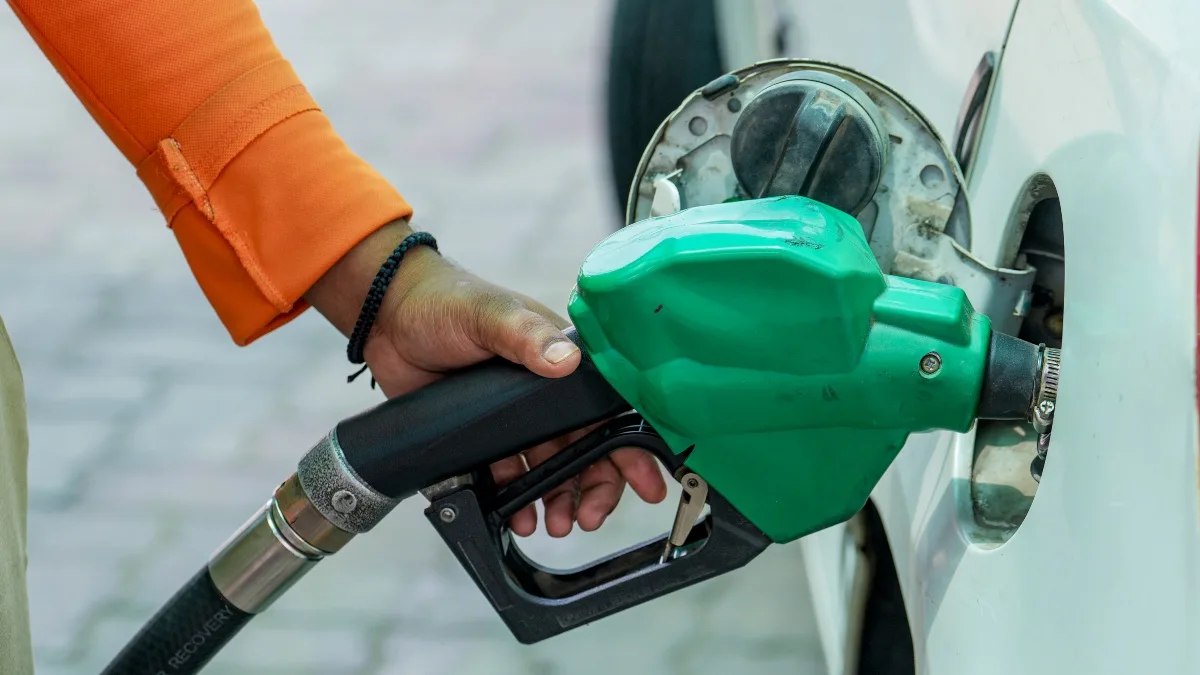
India's E20 Fuel Rollout Criticism Explained: Why Millions of Car Owners Are Suddenly Worried
An Attorney General standing in court calling a nationwide fuel policy an "experiment." That's not a phrase you expect to hear about something already running through more than a lakh fuel pumps across the country. Yet that's exactly what happened, and it's a big part of why India's E20 fuel rollout criticism has grown louder over the past few weeks, not quieter, even as the government insists everything is under control.
Here's the quick version, so nothing gets buried. E20 petrol, a blend containing up to 20 percent ethanol, has already been rolled out nationwide as part of India's push to cut crude oil imports and boost domestic ethanol production. Motorists across the country have reported lower mileage. Some claim rising maintenance costs. Opposition politicians have piled on. And a protest against the mandatory rollout drew hundreds of participants at Jantar Mantar in New Delhi on July 5. This is not a fringe concern anymore, it's mainstream, national, and honestly, a little confusing to follow if you're just trying to figure out whether your own car is fine.
Why This E20 Fuel Rollout Debate Actually Matters to You
If you own a petrol car in India, older than a few years especially, this affects you directly, not abstractly. Millions of vehicles on Indian roads were manufactured before E20 compliance became a standard design requirement. The government maintains there's no scientific evidence of widespread damage. Critics argue the transition happened faster for actual car owners than it did for policy planners. Both of those things can be true at once, that's honestly the uncomfortable part of this whole debate.
Read More: Alia Bhatt Alpha Spy Thriller Finally Hits Theatres, But the Numbers Tell a Complicated Story
What the E20 Fuel Rollout Debate Really Is: Explained Simply
Picture the ethanol blending programme like upgrading a national recipe overnight, except some of the kitchens, meaning older car engines, weren't quite built for the new ingredients. The government's position is straightforward, E20 fuel underwent extensive laboratory testing by the Automotive Research Association of India alongside manufacturers and oil companies before rollout, and companies like Maruti Suzuki and Hero MotoCorp reportedly haven't flagged widespread engine damage.
Critics, meanwhile, point to something more human, actual mileage complaints, viral videos of vehicles breaking down after refuelling, and rising anxiety among owners who never got a real choice in the matter. One widely circulated clip showed an Innova Hycross reportedly breaking down after a fill up, though Toyota's India head later attributed that specific incident to contaminated fuel rather than the E20 blend itself.
Read More: BAT-BMS App E-Rickshaws Scandal: How a Chinese Battery Tool Became India's Weirdest Road Hazard
How the E20 Rollout and Its Criticism Unfolded, Step by Step
- The government began phasing in ethanol blended petrol years ago, positioning it as a gradual, well tested transition.
- E20 fuel became widely available nationwide, effectively becoming the default option at most retail outlets.
- Motorists began reporting reduced fuel efficiency and, in some cases, higher maintenance expenses after the switch.
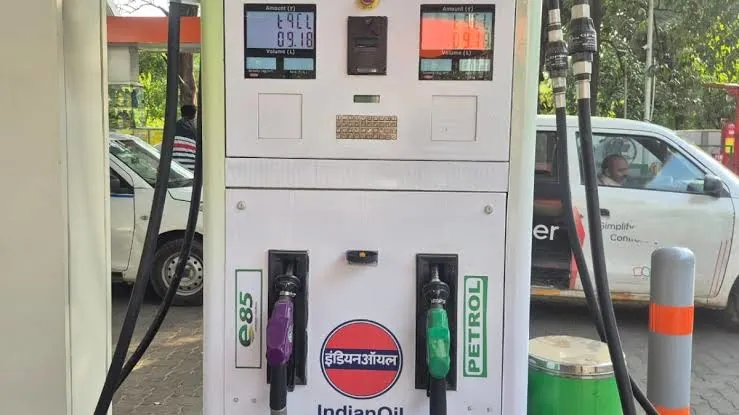
- Opposition leaders, including AAP chief Arvind Kejriwal and Congress figures, questioned both the fuel's safety and why retail prices haven't dropped despite ethanol being cheaper than petrol.
- A public protest against the mandatory rollout took place at Jantar Mantar in New Delhi on July 5, organised by political analyst Tehseen Poonawalla.
- The Attorney General's reported courtroom remark describing the ethanol programme as an experiment added fuel, so to speak, to public skepticism.
- The Ministry of Petroleum and Natural Gas responded with a formal FAQ addressing vehicle compatibility, pricing, and future plans, while petroleum minister Hardeep Singh Puri acknowledged a slight efficiency drop is possible with ethanol blended fuel.
That acknowledgment, a slight efficiency drop is possible, matters. It's the government meeting critics partway without fully conceding the larger safety argument.
Read More: NASA Swift Telescope Rescue Mission: The Wild Plan to Grab a Falling Observatory Before It Burns Up
Real World Examples Behind the E20 Fuel Rollout Criticism
Consider Mercedes-Benz India's own experience here, a viral mileage claim from a content creator forced the luxury automaker into a public compatibility clarification, even though its BS VI vehicles were already E20 certified. Or Maruti Suzuki's stance, where an executive noted the brand's E20 compatible vehicles include extra engineering margin that could tolerate moderately higher blends, without specifying exactly how much higher. These aren't abstract policy debates, they're real companies responding in real time to real customer anxiety.
Mistakes People Keep Making in This E20 Fuel Debate
It's easy, understandably so, to treat every fuel related complaint as proof the entire ethanol programme is unsafe. But not every mileage drop or breakdown traces back to the blend itself, fuel adulteration at individual pumps has repeatedly been flagged as a separate, genuinely serious issue that gets conflated with E20 compatibility. On the flip side, dismissing consumer complaints entirely, as some officials have been accused of doing, risks ignoring real, lived frustration from people whose cars simply weren't built with this fuel in mind.
Read More: Vera C. Rubin Observatory 10-Year Survey Just Started, and It's Basically Filming the Universe Live
Pro Tips That Actually Help Amid the E20 Rollout Uncertainty
Check your vehicle's compliance year directly with your manufacturer rather than relying on secondhand claims from social media. If you notice sudden performance issues, get a proper diagnostic check before assuming it's the ethanol blend, since adulteration is a real and separate risk. And keep an eye on regulatory movement, standards for E22, E25, E27, and even E30 have already been notified, meaning this conversation is very much not finished.
Closing Thoughts
There's something quietly telling about an Attorney General calling a national fuel policy an experiment in open court. Experiments, by definition, have uncertain outcomes. Maybe that's simply an honest description of where India's ethanol blending programme actually stands right now, ambitious, evidence backed on paper, yet still genuinely being tested on millions of ordinary engines across the country. The results, as officials themselves have suggested, may only become clear next year. Until then, the criticism, and the caution, both seem entirely reasonable.
FAQs
What exactly is E20 fuel, and why is India rolling it out?
E20 is petrol blended with up to 20 percent ethanol, introduced to reduce crude oil imports, cut emissions, and support domestic ethanol production.
Why are people criticising the E20 fuel rollout?
Motorists report reduced mileage and higher maintenance costs, while opposition leaders question the pace of rollout and lack of retail price reductions.
Has the government responded to E20 compatibility concerns?
Yes, the Ministry of Petroleum and Natural Gas issued a formal FAQ, and officials maintain that ARAI testing shows no scientific evidence of widespread vehicle damage.
Are older vehicles at risk from E20 fuel?
Manufacturers were consulted before rollout, and companies like Maruti Suzuki have not reported widespread damage, though individual compatibility can vary by model and year.
Is India planning to move beyond E20 in the future?
Yes, standards for E22, E25, E27, and E30 have already been notified, with ARAI studying the impact of E25 on existing vehicles.
How can I tell if my mileage drop is due to E20 or fuel adulteration?
Get a diagnostic check at an authorized service center, since adulteration at fuel stations has been separately flagged as a common cause of performance issues.