The Iran-US Peace Deal Is Almost Here — But Israel's War in Lebanon Could Still Unravel Everything
The biggest geopolitical story of 2026 is sitting in an almost unbearable state of suspension. A US-Iran peace deal is reportedly within reach negotiators are calling it close, Trump is calling it soon, Pakistan's army chief has been flying between capitals — and yet the thing that could collapse it is happening in real time, in southern Lebanon, where Israeli forces are pushing deeper into Hezbollah territory while the world watches and holds its breath.
This is the contradiction that defines the moment. Peace on one front. War on another. And both are connected in ways that will matter for decades.
Why the Iran-US War Started and What Has Happened Since February 2026
To understand where things stand, you need to know how they began. On February 28, 2026, Israel and the United States launched strikes against Iran, targeting its nuclear and ballistic missile infrastructure. Israel's Prime Minister Benjamin Netanyahu said the goal was to prevent Iran from ever acquiring nuclear weapons and to change the strategic balance of the Middle East.
Iran's Supreme Leader Ali Khamenei was killed in the initial strikes. His son, Mojtaba Khamenei, was appointed as successor — though he has not been seen publicly since reportedly being wounded early in the conflict. Iran retaliated with missile strikes against Israel, US military bases across the region, and closed the Strait of Hormuz, the critical global shipping chokepoint through which approximately 20% of the world's oil passes.
The war sent shockwaves through global energy markets. Iran launched counter-strikes. The US deployed marines to the region. Trump, at various points, demanded Iran's "unconditional surrender," set multiple deadlines — March 21, then March 23, then April 7 — and threatened to strike Iranian energy infrastructure and bridges.
Pakistan stepped in as mediator. After nearly six weeks of conflict, on April 8, Pakistan's Prime Minister Shehbaz Sharif announced a conditional two-week ceasefire. The Islamabad Talks followed, where US Vice President JD Vance led the American delegation. After 21 hours of negotiations, the talks broke down. Iran refused Washington's terms. Vance called the failure "bad news for Iran much more than for the United States."
The ceasefire continued to hold in a fragile, contested way. Both sides accused the other of violations.
Where the Peace Deal Stands Right Now
As of June 1, 2026, a tentative agreement is being circulated through Pakistan, the primary back-channel between Washington and Tehran. The broad framework includes a 60-day extension of the ceasefire, the reopening of the Strait of Hormuz, access to billions in frozen Iranian assets, and a framework to begin negotiations on Iran's nuclear programme.
US Secretary of State Marco Rubio, speaking from a NATO summit in Sweden, said this week: "There's been some slight progress. I don't want to exaggerate it, but there's been a little bit of movement, and that's good." He added that the US position remains unchanged: "Iran can never have a nuclear weapon."
Trump, characteristically, has been oscillating — telling one interviewer he was "in no hurry," while separately signalling the deal could come at any moment. Pakistan's Field Marshal Asim Munir has been in Tehran carrying the latest US proposal. Iran is reviewing it. Iran says it will announce any agreement through Pakistan when ready and that until then, Western reports claiming a deal is done are inaccurate.
The Qatari delegation has also joined the mediation effort, alongside Pakistan, reflecting the high international stakes.
Read More: Power Shifts 2026: A Clear Look at India’s Changing Political Scene
The Lebanon Problem That Could Sink Everything
Here is where it gets complicated in ways that are genuinely difficult to untangle. Hezbollah, the Iran-backed Lebanese armed group, is a central point of contention in the broader peace framework. Iran's 14-point proposal explicitly calls for a "definitive end to the war on all fronts, including Lebanon." Iran has consistently argued that Israel's continued attacks on Hezbollah in Lebanon constitute a violation of the ceasefire agreement.
Trump, however, told PBS NewsHour bluntly that Lebanon is not part of the ceasefire deal with Iran "because of Hezbollah" but will "get taken care of." He called it a "separate skirmish." Israel's ambassador to the US stated clearly that Israel would not accept a ceasefire with Hezbollah.
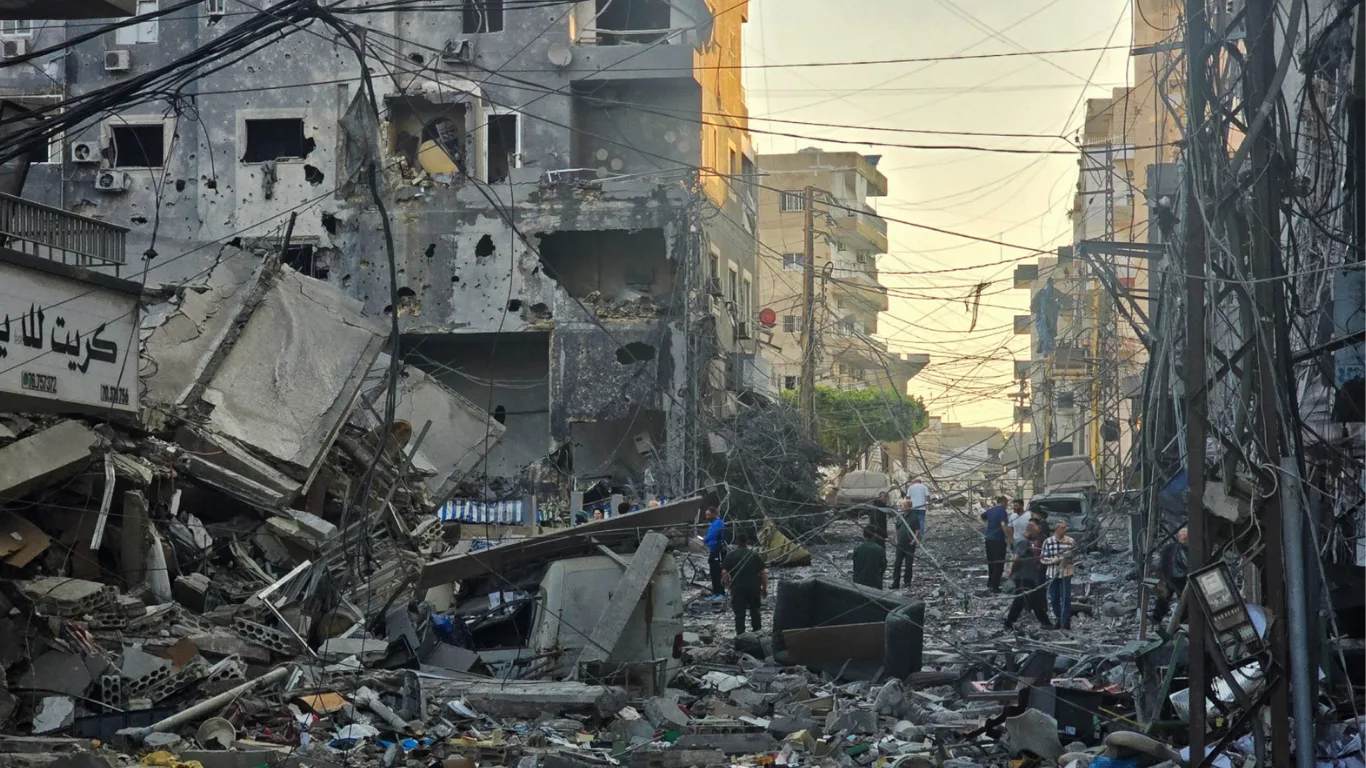
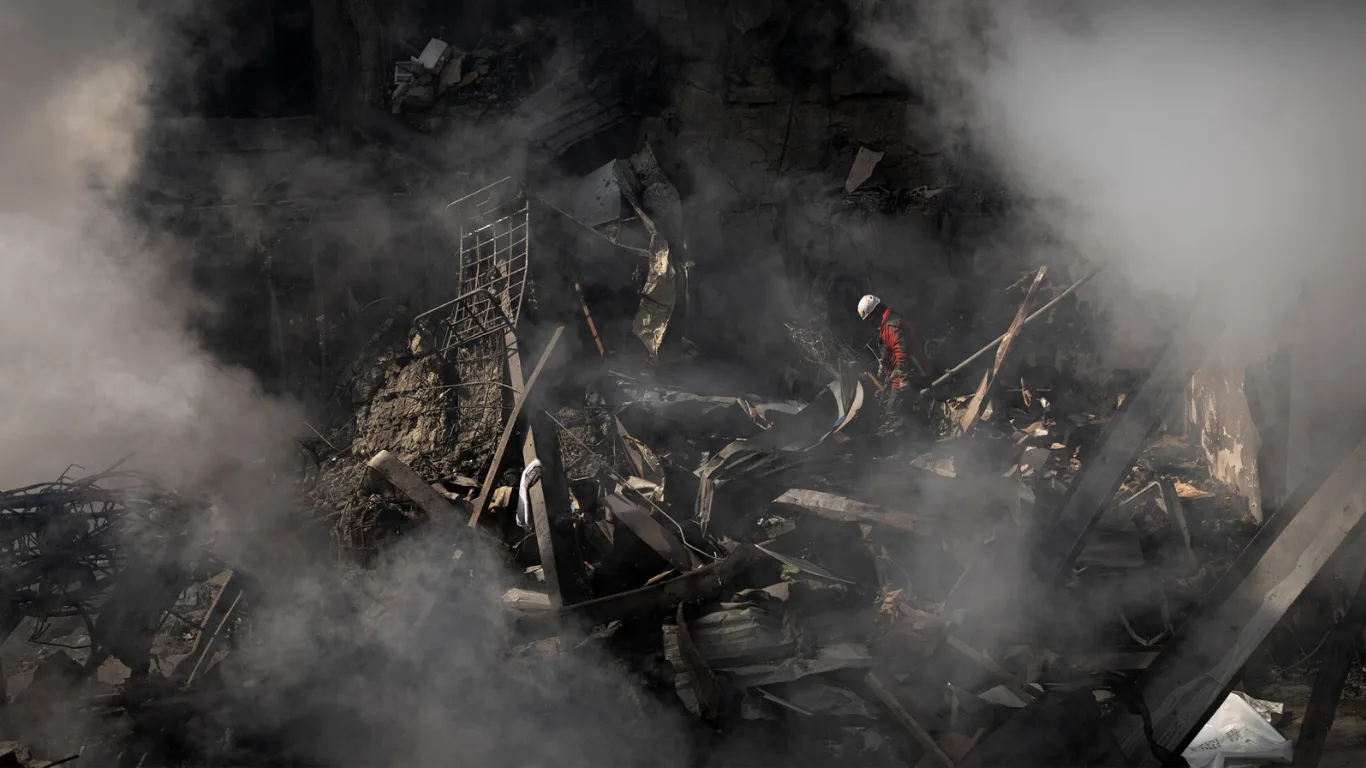
Meanwhile, on May 31, Israel captured Beaufort Castle, crossed the Litani River for the first time since 2006, issued mass displacement orders across southern Lebanon, and was reported to be preparing for an offensive on Nabatieh, Hezbollah's key stronghold city. Lebanon's health authorities said 19 people were killed and 58 wounded in recent strikes. Six of the killed were members of the same family struck while fleeing at dawn.
Iran's President Masoud Pezeshkian warned in April that Israel's continued strikes on Lebanon would make any peace talks "meaningless." He said Iran would "never abandon its Lebanese brothers and sisters." The contradiction between Iran's peace framework demand and Israel's active military campaign in Lebanon is the core reason a final deal has not been signed.
Read More: Trump's Iran Deal: The "Final Determination" That Nobody Has Made Yet
What Both Sides Actually Want
Understanding the negotiating positions matters here, because they reveal exactly how far apart the parties remain on the underlying issues.
The United States wants: Iran to permanently abandon its nuclear weapons programme, the reopening of the Strait of Hormuz, and a stable Middle East order that does not require permanent military presence. It has conditioned any deal on denuclearisation.
Iran wants: An end to the war on all fronts including Lebanon, the release of frozen assets, guarantees against future attack, and the recognition of Hezbollah as a Lebanese political and military reality rather than a group to be destroyed.
Israel wants: Hezbollah disarmed and dismantled, a formal peace agreement with Lebanon, and secured enriched nuclear material within Iran destroyed or removed.
These are not easily reconcilable positions. Hezbollah sits at the centre of all three.
Closing Thoughts
The Iran-US peace deal is close in the way a door is close when you can see it across a room but cannot yet reach it. The distance is real. The obstacles are not minor. Lebanon is not a sideshow it is the main stage of the unresolved conflict that both Washington and Tehran are trying to navigate around rather than through.
Whether the deal holds, breaks, or transforms into something nobody expected is the question that will shape the Middle East for a generation. And the answer, frustratingly, is not yet known.
Disclaimer: This article is based on information available across the web. Parchar Manch does not take responsibility for its complete accuracy, as the content could not be fully verified.
FAQs
When did the US-Israel war against Iran begin?
The conflict began on February 28, 2026, when Israel and the United States launched strikes against Iran, targeting its nuclear and ballistic missile infrastructure. Iran retaliated and closed the Strait of Hormuz.
What happened to Iran's Supreme Leader Ali Khamenei?
Ali Khamenei was killed in the initial US-Israel strikes on February 28, 2026. His son, Mojtaba Khamenei, was appointed as the new Supreme Leader.
What is the current status of the US-Iran peace deal?
As of June 1, 2026, a tentative framework is under review, mediated by Pakistan. It includes a 60-day ceasefire extension, reopening of the Strait of Hormuz, frozen asset relief, and a nuclear talks framework. Trump has not yet signed off. Iran says it will announce any deal through Pakistan.
Why is Hezbollah causing problems for the peace deal?
Iran's peace framework demands an end to conflict on all fronts, including Lebanon. But Israel is continuing its military campaign against Hezbollah in Lebanon and has explicitly said it will not agree to a Hezbollah ceasefire. Trump has called Lebanon a "separate skirmish" outside the Iran deal.
What is the Strait of Hormuz and why does it matter?
The Strait of Hormuz is a narrow waterway between Iran and Oman through which roughly 20% of the world's oil and significant global trade flows. Iran closed it after the February 2026 strikes, causing major disruption to global energy markets. Reopening it is a core demand of any US-Iran agreement.
Who is mediating the US-Iran talks?
Pakistan is the primary mediator, led by Army Chief Field Marshal Asim Munir. Qatar has also joined the mediation efforts. The negotiations are indirect — Pakistan carries proposals between Washington and Tehran.