Iran On Strait Of Hormuz: Why A Fight Over "Fees" Could Shake Global Oil Prices
Here's a sentence that shouldn't be this dramatic, but somehow is. Iran says it's not charging tolls on the Strait of Hormuz. It's charging fees. That one word difference is currently the center of a genuine standoff between Washington and Tehran, and honestly, the more you look into it, the messier that distinction gets.
Why This Actually Matters Beyond The Middle East
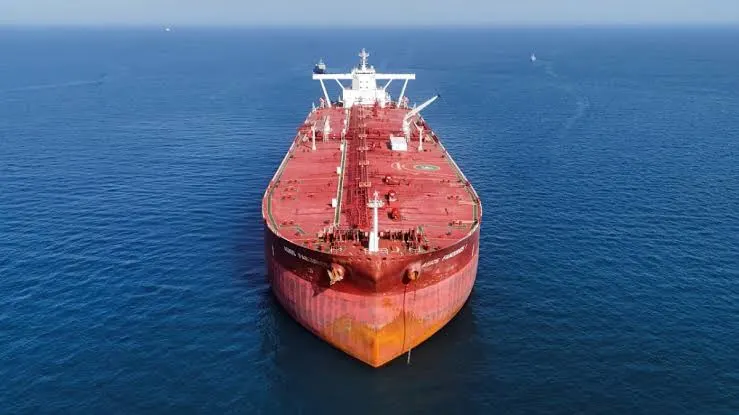
Roughly a fifth of the world's oil and liquefied natural gas passes through this single waterway. So when there's uncertainty over Iran on Hormuz Strait and whether ships will suddenly face new charges, that ripples into fuel prices, shipping insurance costs, and eventually, what you pay at the pump. This isn't some distant regional squabble. It's plumbing that touches the entire global economy.
What The Actual Dispute Is About
After months of war between the US, Israel, and Iran, a peace framework was signed that included restoring free traffic through the Strait of Hormuz within 30 days. President Trump publicly declared the strait would be "permanently toll-free." Iran responded almost immediately with a different framing. Its foreign ministry spokesman Esmaeil Baghaei said Iran isn't seeking transit tolls, but fees would be charged for services provided in the waterway.
Here's the thing though. To most shippers and legal experts, that distinction might not matter much in practice, even if it matters enormously on paper.
Toll Versus Fee, Explained Like You're Actually Curious
Think of it like a toll road versus a gas station. A toll is what you pay just to drive on the road, no service involved, just the right to pass. A fee is what you pay for something specific someone did for you, like refueling or getting your tires checked. International law allows the second kind on natural waterways like Hormuz. It doesn't allow the first.
Iran insists its charges, covering things like navigation assistance, environmental protection, and insurance mechanisms, fall into the fee category. Critics, including maritime law experts, argue that if a ship effectively has to pay to get through regardless of what it's labeled, the difference becomes mostly academic.
How This Standoff Has Actually Unfolded
- Iran's Persian Gulf Strait Authority announced planned fees, then suspended them during the 60 day negotiation window set by the US Iran memorandum of understanding.
- Iran and Oman issued a joint statement agreeing to study future administration of the strait and possible service charges together, while both maintaining sovereignty claims over their territorial waters.
- Secretary of State Marco Rubio rejected the fee framing outright, saying no country can charge tolls on an international waterway, and that regional partners largely agree.
- Iran's chief negotiator Mohammad Bagher Ghalibaf stated flatly that Hormuz "will never return" to its prewar conditions, signaling Tehran wants some lasting form of control.
Read More: UAE Quits OPEC Amid Iran War – Impact on Global Oil Markets & Prices
Real Numbers Showing What's At Stake
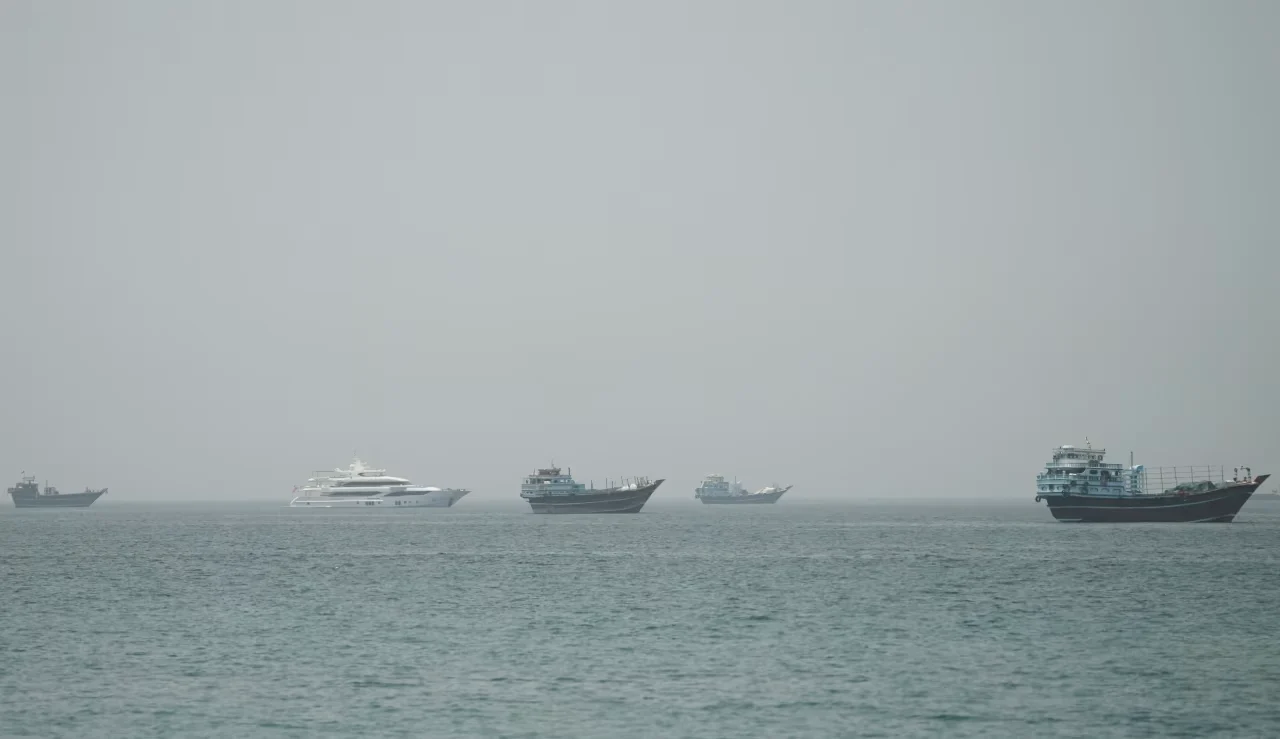
Before the war, around 150 vessels passed through the strait daily. That number collapsed to a handful during active hostilities. As of late June, traffic had only recovered to about 70 ships a day, still less than half of normal. Shipping companies remain cautious, watching closely to see whether fees, however small, actually get applied.
Mistakes People Keep Making In This Debate
The easiest mistake is assuming Iran backed down just because it dropped the word "toll." It didn't necessarily back down. Experts like Farzan Sabet at the Geneva Graduate Institute point out Iran may simply be holding this as leverage, something it can quietly reintroduce if nuclear negotiations stall or US sanctions return.
Read More: Iran Reveals Mojtaba Khamenei's Injuries: What Really Happened the Day Tehran Was Struck
Pro Tips For Watching This Story Closely
Keep an eye on Oman's position specifically. Oman has already rejected Iran's fee proposal, and since Oman sits directly across the strait, its cooperation, or lack of it, will likely determine how enforceable any Iranian fee system actually becomes.
A Quiet Closing Thought
There's something almost poetic about a war ending not with a bang, but with an argument over vocabulary. Toll or fee, the ships still have to get through somehow, and until that word gets settled for good, global shipping is holding its breath a little longer than anyone would like.
Disclaimer: This article is based on information available across the web. Parchar Manch does not take responsibility for its complete accuracy, as the content could not be fully verified.
FAQs
Is Iran officially charging tolls on the Strait of Hormuz?
No. Iran says it will charge fees for specific services like navigation and environmental protection, not tolls for passage itself, though these fees are currently suspended during negotiations.
Why does the US object to Iran's fee plan?
The US argues international law doesn't allow any country to charge for passage through an international waterway, calling Iran's fees effectively a toll by another name.
How much oil passes through the Strait of Hormuz?
Roughly a fifth of the world's oil and liquefied natural gas supply moves through the strait under normal conditions.
Has ship traffic recovered since the war ended?
Only partially. Daily transits reached about 70 ships by late June, compared to around 150 before the conflict began.
What role does Oman play in this dispute?
Oman sits on the opposite shore of the strait and has already rejected Iran's proposal to collect transit fees, making its cooperation crucial to any final arrangement.