
Iran Releases American Woman Detained Since 2024: Inside the Dena Karari Story Trump Just Announced
She went to Shiraz to see her family. That's it, that's how this whole ordeal started, a trip most people wouldn't think twice about. Then her passports were seized at the airport, and what should have been a routine visit turned into nearly two years of interrogations, an exit ban, and a health scare that nearly cost her everything. This week, the Iran releases American woman story finally got the ending her family had been waiting for.
President Donald Trump announced on Wednesday, July 15, 2026, that Iran had let the woman leave the country. He didn't name her in his initial post. Her lawyer did, shortly after, and that's when the fuller picture started coming into focus.
Why This Actually Matters
Detentions like this rarely make headlines while they're happening, quietly, for years, families negotiate through lawyers and diplomats while the rest of the world has no idea a person is even being held. This case matters because it's unfolding in the middle of active hostilities between the United States and Iran, not a calm diplomatic moment. Trump has recently ordered renewed strikes against Iran and reimposed a naval blockade on Iranian ports, and the fragile memorandum meant to end the broader Middle East conflict has already collapsed once. Against that backdrop, Iran choosing to release an American right now is being read by some analysts as a signal, though nobody's entirely sure what kind of signal yet.
For anyone following US-Iran relations, or frankly for anyone with family members who travel internationally, this case is a reminder of how quickly a personal visit can turn into a geopolitical entanglement.
Read More: The Iran-US Peace Deal Is Almost Here — But Israel's War in Lebanon Could Still Unravel Everything
What Actually Happened, Explained Simply
Here's the timeline in plain terms. Dena Karari, a 53-year-old US-Iranian citizen, traveled to Iran in 2024 to visit relatives. When she tried to leave, Iranian authorities confiscated both her American and Iranian passports. A month later, she and her family were pulled over, and she was briefly detained and questioned for hours. From there, according to her lawyer Jared Genser, she was interrogated dozens of times and placed under what he described as a coercive exit ban, essentially barred from leaving the country without formally being charged or imprisoned in the traditional sense.
Her alleged offense centered on her nonprofit work. Karari ran the Children of Mehr Foundation, an organization that helped impoverished children in Iran using private donor funding under an OFAC license, a US Treasury authorization that permits certain humanitarian transactions with sanctioned countries. Iranian authorities reportedly viewed that humanitarian work with suspicion, accusing her of activity connected to espionage, though she was ultimately never formally charged with a crime.
How the Release Unfolded, Step by Step
- December 2024: Karari's passports are seized after a family visit to Shiraz, beginning her exit ban.
- The following weeks: She and her family are stopped by authorities, and she is briefly taken into custody and interrogated.
- Over the next year and a half: She undergoes dozens of additional interrogations while barred from leaving Iran, all without formal criminal charges being filed.
- The week before her release: Karari reportedly suffers a serious heart attack, raising urgent concerns about her health while still trapped in the country.
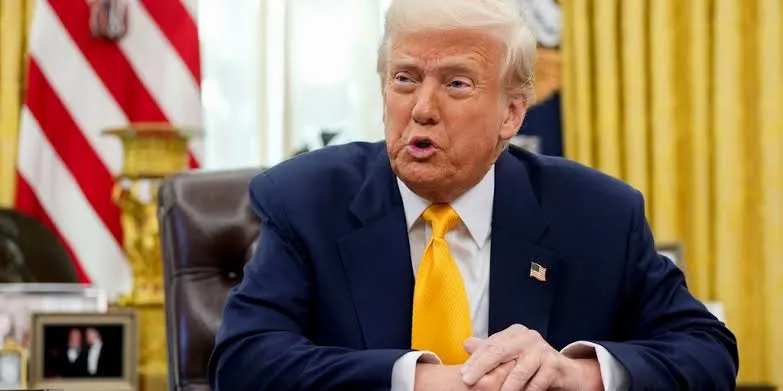
- July 15, 2026: Iranian authorities allow her to cross the border out of the country. Trump announces the release on Truth Social hours later, calling it a gesture of goodwill.
- Shortly after: Her lawyer publicly confirms her identity and says she is safe and en route back to the United States.
Real-World Example: Why This Case Stands Apart
Compare Karari's situation to other Americans still held in Iran, like journalist Reza Valizadeh and Kamran Hekmati, both designated as wrongfully detained and held in Tehran's Evin Prison. Genser noted that Karari's case was uniquely positioned, since her exit ban had technically expired and she wasn't formally in detention when she left, unlike prisoners still sitting behind bars. That legal distinction, subtle as it sounds, may explain why her path out opened up while others remain stuck.
Mistakes People Keep Making About This Story
A common mistake is assuming this release signals Iran is broadly softening its position toward detained Americans. It doesn't necessarily mean that. Genser himself was careful to frame Karari's case as distinct from others still held, precisely because the circumstances differed. Treating one release as proof of a larger diplomatic thaw oversimplifies a genuinely complicated situation, especially while active military strikes continue between the two countries.
Another mistake is glossing over her health condition. This wasn't purely a diplomatic win, it was also, by her lawyer's account, a race against a medical emergency after her heart attack just days before she crossed the border.
Pro Tips for Following This Story Responsibly
If you're tracking developments here, pay attention to statements from Karari's own legal team rather than secondhand summaries, since Genser has been the primary source confirming details the State Department has declined to verify publicly. Also keep an eye on the remaining detained Americans, since advocacy groups working on cases like Hekmati's have already pointed to this release as a potential sign of momentum for others still held in Iran.
Closing Thoughts
There's a particular kind of relief that doesn't photograph well, no airport reunion footage, no grand press conference, just a woman finally allowed to rest after nearly two years of not knowing when, or if, she'd get to leave. Her lawyer said she needs time to recuperate before saying more publicly. That feels right. Some stories don't need to be told in full right away, they just need the person at the center of them to finally be safe.
Disclaimer: This article is based on information available across the web. Parchar Manch does not take responsibility for its complete accuracy, as the content could not be fully verified.
FAQs
Who is the American woman Iran released?
She was identified by her attorney as Dena Karari, a 53-year-old US-Iranian citizen who had been unable to leave Iran since December 2024.
Why was Dena Karari detained in Iran?
She was accused of activity connected to espionage over her nonprofit work with the Children of Mehr Foundation, which helped impoverished children in Iran, though she was never formally charged with a crime.
When was she actually released?
She was allowed to leave Iran on July 15, 2026, with President Trump announcing the release the same day.
Are other Americans still detained in Iran?
Yes. At least six Americans were being tracked as detained in Iran as of last month, including Reza Valizadeh and Kamran Hekmati, both held in Evin Prison and designated as wrongfully detained.
What did Trump say about the release?
Trump announced the release on Truth Social, describing the woman as wrongfully detained and thanking Iran for what he called a gesture of goodwill, without naming her publicly himself.