
Iran's Hormuz Gamble: Why the US Just Sanctioned a Toll Booth at the World's Most Critical Oil Chokepoint
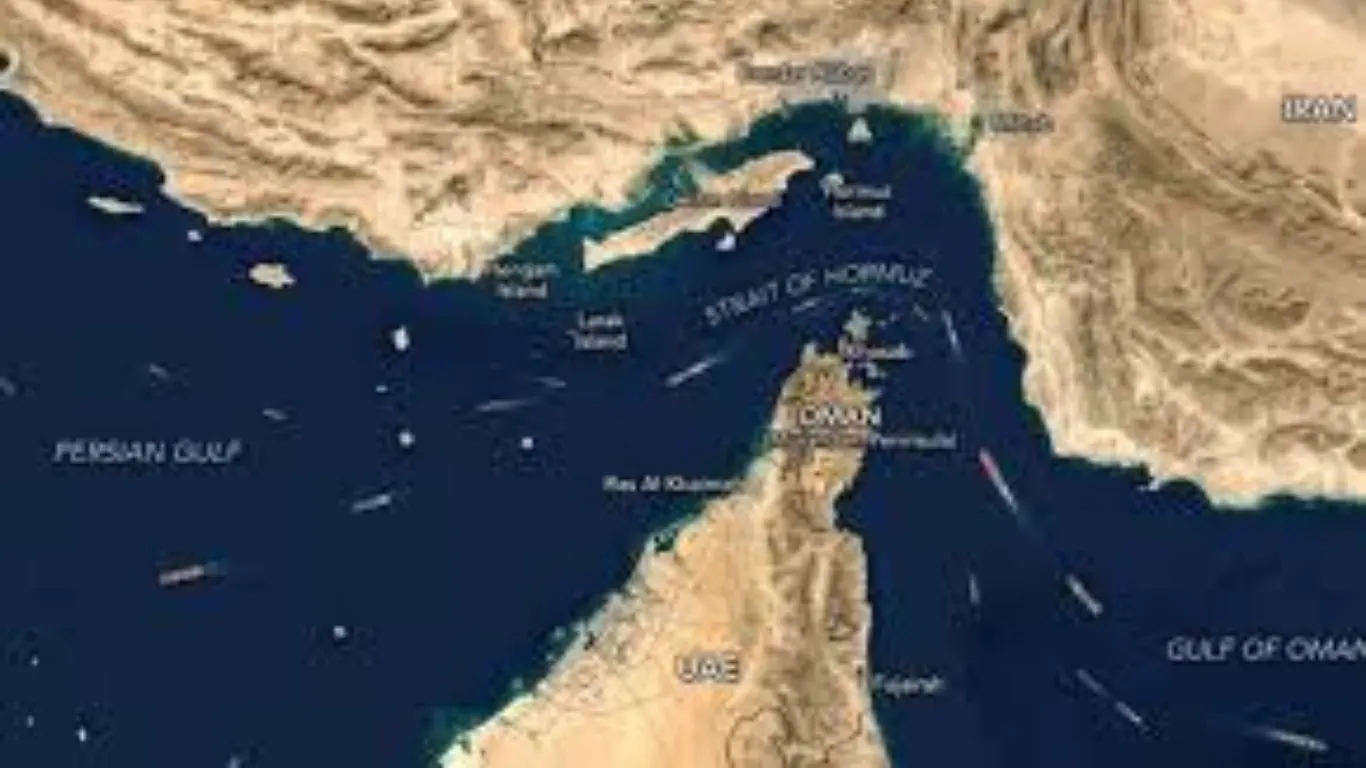
There is a narrow strip of water between Iran and Oman, roughly 33 kilometres wide at its most constricted point. About a fifth of the world's oil supply passes through it every single day. And right now, in late May 2026, that strip of water has become the most contested piece of geography on earth.
Iran's government quietly created a new body called the Persian Gulf Strait Authority (PGSA). Its purpose was to collect tolls from ships passing through the Strait of Hormuz. To some, it sounded like a bureaucratic move. To Washington, it looked like extortion.
Why the Hormuz Toll Plan Set Off Alarm Bells in Washington
Think of the Strait of Hormuz as the world's most important toll road, except no one owned it before. Now Iran was trying to install a booth.
The US Treasury, under Secretary Scott Bessent, moved fast. The PGSA was placed on the US sanctions list, and Bessent's message was direct: America will aggressively target any actor, directly or indirectly, involved in facilitating these tolls. That includes allies.
Oman, a historically neutral Gulf state that often acts as a quiet go-between for Washington and Tehran, found itself named publicly. The warning was pointed: if Oman participates in the Hormuz tolling system, it faces US Treasury sanctions. Within hours, Muscat called back and clarified that no tolling plan was under consideration.
What Is the PGSA and Why Did the US Call It Extortion
The Persian Gulf Strait Authority was established by Iran as an official body to manage and charge fees for navigation through the strait. Iran's argument is territorial, in the sense that it considers itself a sovereign authority over part of those waters.
The US rejected this framing entirely. Bessent described it publicly as an extortion scheme. International maritime law, specifically the United Nations Convention on the Law of the Sea, guarantees transit passage rights through international straits. Iran's attempt to monetize that passage was seen not just as economically disruptive, but as a direct challenge to the rules-based global order.
When you control the toll gate on 20 percent of the world's oil flow, you do not have a modest amount of leverage. You have an extraordinary amount of it.
Trump's Red Lines and What Sanctions Relief Actually Means
Here is where the story gets layered, and a little contradictory, which is perhaps how all real geopolitics works.
Even as the US Treasury was sanctioning Iran's oil shadow economy and threatening Oman, the White House confirmed that US and Iranian negotiators had agreed to a Memorandum of Understanding, pending President Trump's approval. Reports indicated a possible 60-day ceasefire framework was also being discussed.
Bessent confirmed Trump's position clearly: sanctions relief for Iran will not be on the table until the Strait of Hormuz is freely open and Iran agrees to hand over its highly enriched uranium. No open strait, no deal. Trump, in Bessent's words, is not going to take a bad deal.
So the US is simultaneously negotiating and sanctioning. That is not necessarily contradictory. It is pressure.
Read More: Tata Sons Board Meeting: The Crisis Inside India's Most Powerful Conglomerate
What Happens to Oil Markets and Global Trade
Oil prices moved. They always do when Hormuz is in the headlines.
The Iran oil sanctions expansion also targeted Iranian airlines. Bessent stated that the US would shut down Iranian carriers' access to landing rights, refuelling points, and ticket sales globally. This is a broader economic squeeze, not just a maritime dispute.
For global energy markets, the significance of Hormuz cannot be understated. Saudi Arabia, UAE, Kuwait, Iraq, all route significant portions of their exports through this corridor. A tolling regime or any disruption there ripples into fuel prices across Asia, Europe, and beyond.
Mistakes Observers Keep Making About This Story
Most people hear "Iran sanctions" and assume this is simply the US being aggressive. That misses the context. Iran's creation of the PGSA was a genuine escalation, an attempt to redefine who controls international sea lanes.
Equally, framing this purely as a military or nuclear standoff misses the economic engineering at the centre of it. This is also about Iran's shadow oil economy, tanker sanctions, and who gets to charge whom for access to global shipping routes.
Read More: Sensex Slides as US-Iran Tensions Shake Dalal Street: What Every Indian Investor Must Know Today
The Quiet Detail Nobody Is Talking About
Oman backed down almost immediately after being named. That tells you something about how serious the threat was received. This is not a country that blinks easily; it has spent decades walking a careful line between Tehran and Washington.
That Muscat moved so quickly suggests the financial exposure was real, not theoretical.
Closing Thoughts
The Strait of Hormuz has always been a pressure point. But what is happening now is different from the usual military posturing. Iran is trying to institutionalize leverage through legal and economic architecture. The US responded not with warships, but with the Treasury Department.
That shift, from gunboats to financial infrastructure as the primary tool of geopolitical pressure, is worth watching. Because it means the next crisis over Hormuz may not look like a military confrontation at all. It may look like a spreadsheet.
Disclaimer: This article is based on information available across the web. Parchar Manch does not take responsibility for its complete accuracy, as the content could not be fully verified.
FAQs
What is the Strait of Hormuz and why does it matter?
The Strait of Hormuz is a narrow waterway between Iran and Oman. Around 20 percent of the world's daily oil supply transits through it, making it the single most critical chokepoint in global energy trade. Any disruption there affects fuel prices worldwide.
What did Iran's Persian Gulf Strait Authority actually do?
Iran created the PGSA to collect transit fees from ships passing through the Strait of Hormuz. The US called it an extortion scheme and immediately placed the body on its sanctions list, arguing it violated international maritime transit rights.
Why did the US threaten Oman with sanctions?
Treasury Secretary Bessent specifically named Oman as a country that would face US sanctions if it facilitated or participated in Iran's tolling system. Oman quickly responded by stating no such tolling plan was under consideration.
Is the US negotiating with Iran at the same time as sanctioning it?
Yes. The White House confirmed that US and Iranian negotiators reached a preliminary Memorandum of Understanding, pending Trump's approval. But Bessent made clear that sanctions relief depends on Iran freely opening the Strait of Hormuz and turning over its highly enriched uranium.
How does this affect oil prices globally?
The sanctions expansion and Hormuz tensions have already caused oil prices to rise. Since a significant portion of Gulf oil exports transit through Hormuz, any credible threat to navigation affects energy costs across Asia, Europe, and beyond.
What are Iran oil sanctions targeting specifically?
Beyond the PGSA, the latest US sanctions wave targets entities and individuals in Iran's broader shadow oil economy, including tankers, intermediary firms, and now Iranian airlines' access to international landing rights and refuelling.