Senate Passes Lindsey Graham Russia Sanctions Bill: How It Could Impact China, India and Your Wallet
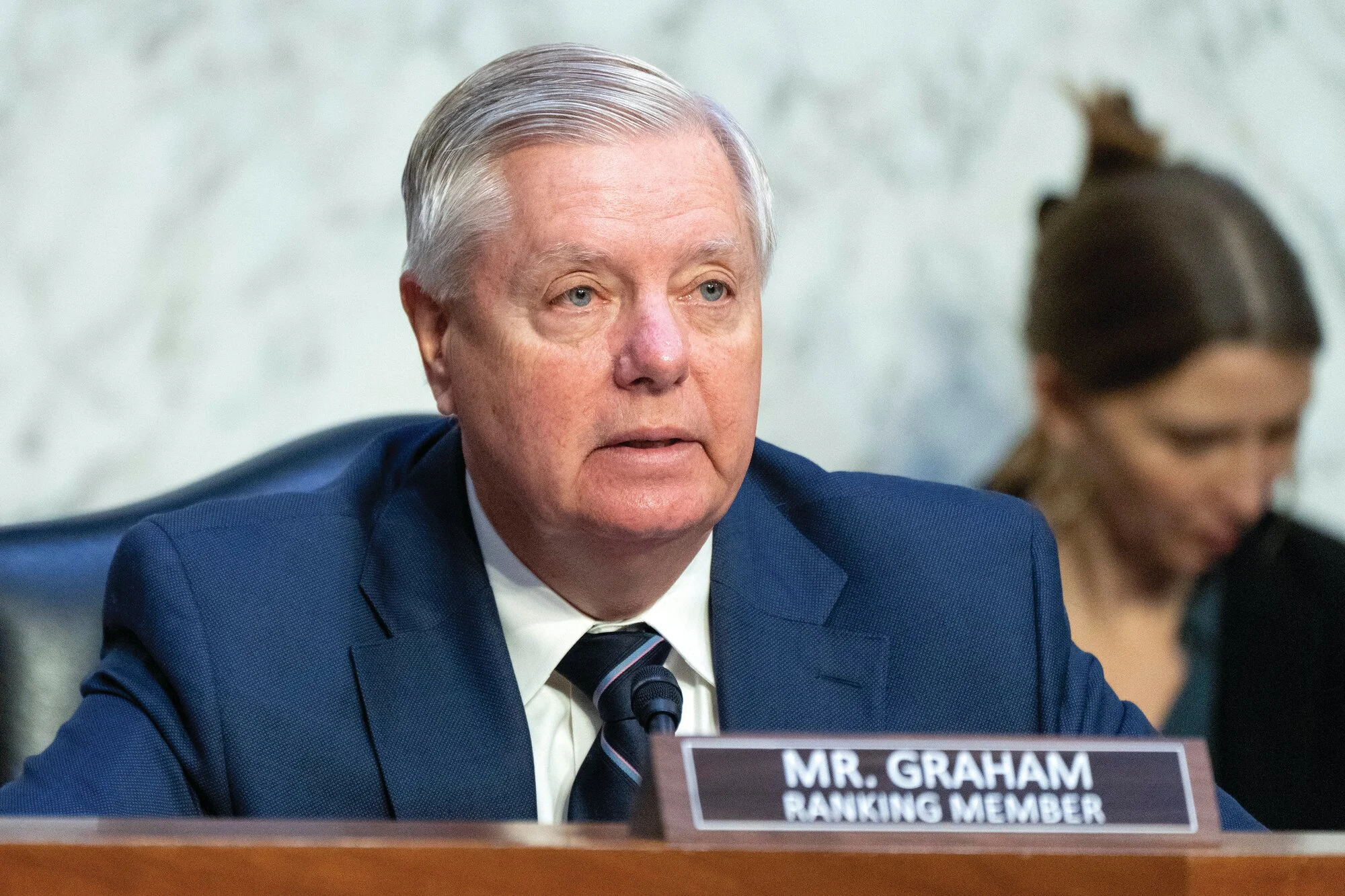
There is something strange about watching a man's life's work get finished after he is gone. That is basically what happened on Friday, when the Senate voted 86 to 11 to pass the Lindsey Graham Russia sanctions bill, officially named the Lindsey O. Graham Sanctioning Russia and Iran Act of 2026. Graham, the longtime Republican senator from South Carolina, spent more than a year pushing this legislation before he died suddenly in July. He never got to see it cross the finish line. His sister, Darline Graham, who was appointed to fill his seat, read out the vote count herself.
Okay, so why should anyone outside Washington care about this. Let's slow down and actually walk through it.
Your Gas Bill and China's Oil Habit Just Got Tangled Up in Washington
Here is the honest answer: this bill touches your wallet, even if you have never thought about Russian oil once in your life. The Lindsey Graham Russia sanctions bill gives President Trump the authority to slap tariffs of up to 100 percent on countries that buy large amounts of Russian oil and gas. China and India, the two biggest buyers, are squarely in the crosshairs. And when tariffs that big hit global trade, prices ripple outward. Fuel, shipping, manufactured goods. It does not stay contained.
There is also a bigger, quieter reason this matters. This is one of the largest Russia sanctions packages Congress has produced since the war in Ukraine began in 2022, and it arrives at a moment when the war has dragged into its fifth year with no clean resolution in sight. A bill like this is meant to squeeze Moscow's economy hard enough that continuing the war becomes financially painful, not just politically stubborn.
Forget the Jargon, Here's What This Bill Actually Does to Russia's Economy
Think of Russia's economy like a business that survives mostly on one product line, energy exports. The Lindsey Graham Russia sanctions bill tries to choke off the customers buying that product. Instead of sanctioning Russia directly and hoping that works (which, frankly, has had mixed results for years), this bill goes after the buyers. It pressures countries like China and India to either stop purchasing Russian oil or face steep tariffs on their own goods entering the United States.
The bill also does two other things worth knowing:
- It places mandatory sanctions on senior Russian officials, including President Vladimir Putin, plus Russian oligarchs and state-owned companies tied to the country's defense industry.
- It extends sanctions authority aimed at limiting funding to Iran's weapons and energy sectors, added late at Trump's request.
There is one built-in exception, and it matters. Countries that import less than 15 percent of their total gas needs from Russia, and that are actively working to cut that number down, can avoid the tariffs. So this is not a blunt hammer swung at everyone. It is aimed.
From the Senate Floor to Trump's Desk: The Bill's Road Ahead
- The Senate passes the bill. Done, as of Friday, with a rare bipartisan 86 to 11 vote.
- It heads to the House. This is the next real hurdle. The House is currently on recess until September, so nothing moves until lawmakers return.
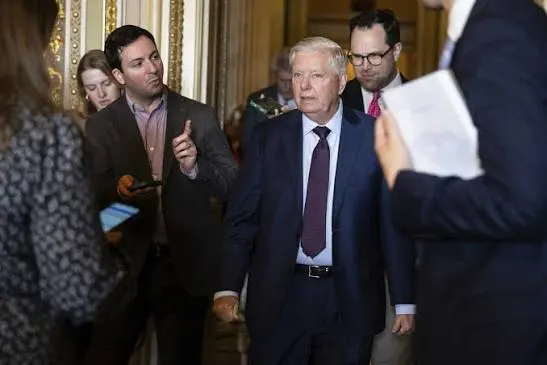
- If the House passes it, it goes to Trump's desk. He has already signaled he will sign it.
- The US Trade Representative determines exact tariff levels. That job falls to Jamieson Greer, who decides how steep the tariffs on the top five Russian oil and gas buyers will actually be, up to that 100 percent ceiling.
- Sanctions on Russian and Iranian entities take effect. Officials, oligarchs, and companies named under the bill face frozen assets and blocked access to the US financial system.
India, China, and the Tariff Trap Nobody's Talking About
Picture India, which buys a large share of discounted Russian crude. Under this Russia sanctions bill, India would need to either cut back sharply on those purchases or risk tariffs on goods it exports to the US, everything from textiles to pharmaceuticals. China faces a similar squeeze, and given how much trade already flows between the US and China, this adds real friction to an already tense relationship.
For Ukraine, the practical hope is simpler. Every dollar Russia does not earn from oil sales is, in theory, a dollar it cannot spend on the war. Ukrainian President Volodymyr Zelensky reportedly met with more than sixty senators before the vote, pushing hard for exactly this outcome.
The One Mistake Everyone Makes When They Hear "Sanctions Bill"
A lot of people assume sanctions bills like this work instantly. They don't. Sanctions take time to bite, and history with Russia sanctions since 2022 shows Moscow has repeatedly found workarounds, shadow fleets, rerouted trade, new middlemen. Assuming this bill alone ends the war is wishful thinking, not analysis.
Another common mix-up: people confuse this Senate bill with the separate Ukraine aid package the House passed back in June. They are related in spirit but are actually two different pieces of legislation moving on two different tracks.
What to Actually Watch For Once September Rolls Around
If you are trying to actually follow this story instead of just skimming headlines, watch the House calendar for September. That is where this stalls or moves. Also keep an eye on how China and India respond diplomatically in the coming weeks, their reaction will tell you more about the bill's real-world teeth than anything said on the Senate floor.
A Senator's Final Fight, Finished Without Him
There is something fitting, and a little sad, about a bill this consequential being finished as a memorial rather than a victory lap. Whether the Lindsey Graham Russia sanctions bill actually shifts the war's direction is still an open question, one that will play out over months, not days. But for a senator who spent decades pushing for exactly this kind of pressure on Moscow, watching his colleagues carry it across the finish line without him says something about how Washington, even in its messiest moments, still finishes what it starts sometimes.
Read More: India Won't Stop Buying Russian Oil , And the Numbers Explain Exactly Why
FAQs
What is the Lindsey Graham Russia sanctions bill called officially?
It is titled the Lindsey O. Graham Sanctioning Russia and Iran Act of 2026, named in honor of the late senator after his death in July 2026.
Did the bill pass the Senate?
Yes. It passed 86 to 11 on Friday, August 7, 2026, with strong bipartisan support.
What happens next?
The bill now goes to the House of Representatives, which is on recess until September. It needs House approval before reaching Trump's desk for a signature.
Which countries would be hit hardest by the tariffs?
China and India, the largest buyers of Russian oil and gas, face the steepest exposure since they rank among the top five importers named in the bill.
Are there any exemptions in the bill?
Yes. Countries importing less than 15 percent of their natural gas from Russia, and actively reducing that reliance, can avoid the tariffs.