NCERT Blacklist Firm News: Why a Paper Supplier Row Is Suddenly Shaking Up the Education Ministry
There's something about a two crore rupee bank guarantee and an empty courtroom chair that tells you a story before anyone even opens their mouth. That's roughly what happened last week. Nobody showed up. Not from NCERT, not from the ministry, nobody to defend a decision the council itself had made. And now the whole thing has turned into national news under one search term everyone's typing right now: NCERT blacklist firm.
Let me back up and lay this out properly, because the details matter here, not just the headline.
Why This Actually Matters
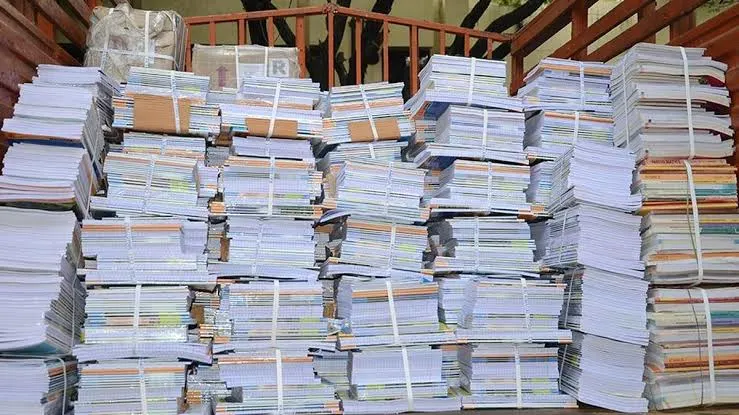
Here's the thing people miss when they scroll past a story like this. NCERT isn't some random office. It's the body that decides what paper your child's textbooks are printed on, who supplies it, and how fast those books reach schools every academic year. When that machinery gets a legal question mark stuck in the middle of it, the ripple isn't abstract. It's textbooks. It's supply chains. It's accountability inside a government department that rarely gets scrutinised this closely.
So when a firm gets blacklisted, and then the same organisation that blacklisted it fails to show up in court to defend that call, the story stops being about paper. It becomes about how decisions are made and, more uncomfortably, how they're defended after the fact. Or, in this case, not defended at all.
Read More: Avinash Narne Arrest: Inside the Bellevue Murder Case That Took Eight Months to Charge
What It Really Is, Explained Simply
Think of blacklisting like a landlord telling a tenant, you can't rent from me again for two years, over a dispute. Fine, that's within their right, assuming the process was fair. But if the tenant challenges it in court and the landlord just... doesn't show up, the judge has almost no choice but to lean toward the tenant, at least temporarily.
That's basically the NCERT paper supplier situation. On June 22, NCERT issued an order barring Bafna Global Venture Private Limited from its procurement process for two years, citing failures tied to textbook paper supply. The firm didn't sit quietly. It moved the Delhi High Court on June 24, and here's where it gets genuinely strange: nobody from NCERT turned up to argue the council's side.
Read More: Modi Australia Visit 2026: Inside The Melbourne Summit That Just Rewrote India's Ties With Canberra
How the Bafna Global Venture NCERT Case Unfolded, Step by Step
- June 22 — NCERT issues the blacklisting order against the firm, tied to alleged lapses in the textbook paper procurement schedule.
- June 24 — Bafna Global Venture approaches the Delhi High Court, asking for relief from the order.
- The hearing — No representative from NCERT appears to defend the decision. Not one.
- The court's response — With the council's side essentially absent, the court grants the firm interim protection from coercive action and restrains NCERT from invoking a bank guarantee worth over Rs 6 crore that the supplier had furnished.
- The fallout — Reports of this lapse reach the education ministry, and that's when things escalate quickly.
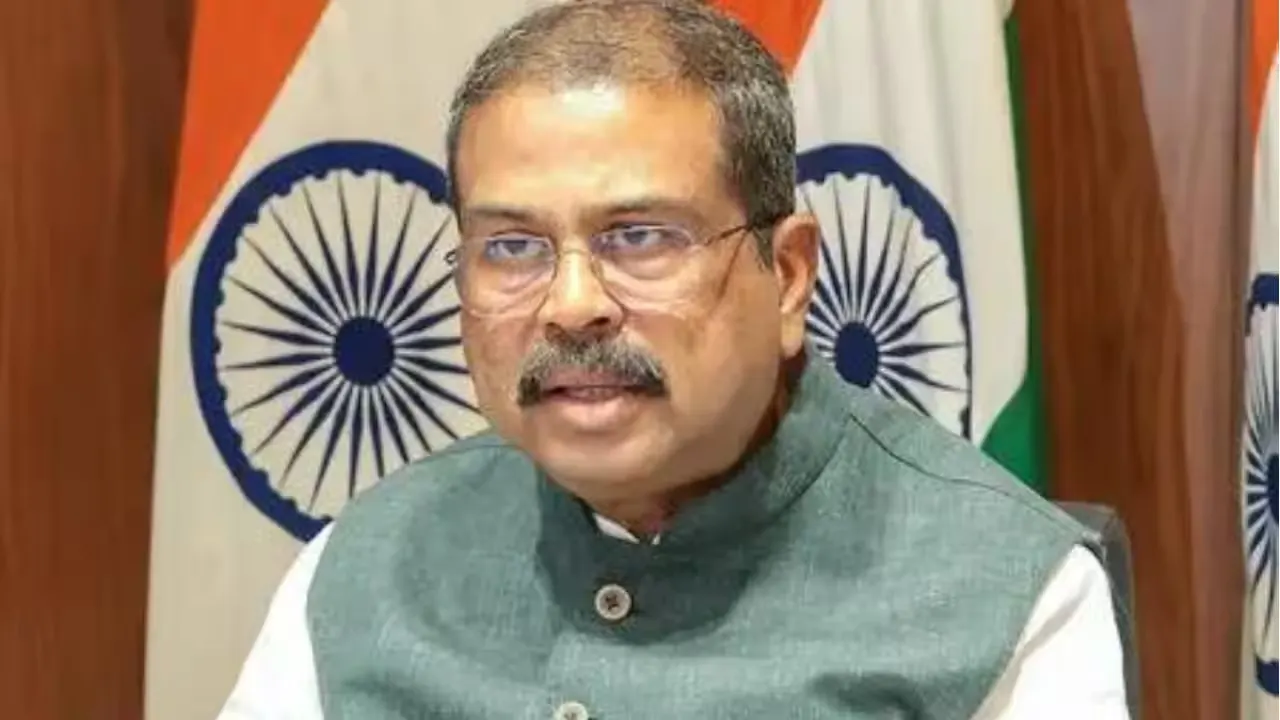
- July 10-ish — Education Minister Dharmendra Pradhan orders a probe into the officials responsible, describing it, through sources, as a zero-tolerance moment for administrative and legal lapses.
- Next date — The matter is now listed for July 20 in the Delhi High Court, so this is far from over.
Read More: Iran Supreme Leader Funeral: Inside The Six Days That Buried An Era In Mashhad
Real-World Examples: What the Firm Actually Argued
This part's worth sitting with for a second. The firm's defence, as reported, wasn't that the blacklisting was baseless outright, it was more about context. It argued that delays in supplying paper happened because hydrogen peroxide, a bleaching agent used in paper manufacturing, became hard to source, reportedly linked to disruptions from the conflict involving Iran. Whether that holds up as a full explanation is exactly what the July 20 hearing will need to untangle. It's a reminder that supply chain excuses in government contracts often sit at this odd intersection of geopolitics and paperwork, quiet urgency dressed up as a procurement footnote.
Read More: TMC MPs Join BJP: Inside The Kolkata Defection That Just Reshaped West Bengal's Rajya Sabha Math
Mistakes People Keep Making (And Why)
The most common mistake, honestly, isn't made by the public. It's institutional. Departments blacklist vendors and then assume the legal defence will sort itself out later. It doesn't. Courts don't wait for administrative convenience, and if nobody turns up to represent a government body's own decision, the presumption of correctness that agency normally enjoys weakens fast. The ministry's own directive, asking NCERT to explain how the firm was selected in the first place despite allegedly not meeting conditions, suggests this wasn't a one-time oversight either. It looks like a pattern worth fixing at the selection stage, not just the courtroom stage.
Pro Tips That Actually Help
If you're following the Dharmendra Pradhan NCERT probe for professional reasons, maybe you work in procurement, education policy, or public administration, here's what's genuinely useful: watch the July 20 hearing outcome closely. It will likely clarify whether the blacklisting itself gets upheld, modified, or reversed. Also worth tracking is how NCERT restructures its vendor vetting process afterward, since that's usually where the real, lasting reform shows up, quietly, months after the headlines fade.
Closing Thoughts
Stories like this rarely stay about one supplier or one paper contract for long. They become case studies in how public institutions answer for themselves when nobody's watching, until suddenly everyone is. The NCERT blacklist firm episode has already forced a probe and a public reckoning inside the ministry. Whatever the Delhi High Court decides on July 20, the bigger question, how a decision gets made and how poorly it sometimes gets defended, already has its answer.
Disclaimer: This article is based on information available across the web. Parchar Manch does not take responsibility for its complete accuracy, as the content could not be fully verified.
FAQs
What is the NCERT blacklist firm news actually about?
It's about NCERT blacklisting a textbook paper supplier, Bafna Global Venture Private Limited, and then failing to defend that decision in the Delhi High Court, prompting a ministry-ordered probe.
Who is the firm involved in the NCERT paper supplier case?
Bafna Global Venture Private Limited, a company supplying paper for NCERT's textbook printing needs.
Why did the Delhi High Court grant relief to the firm?
Because no one from NCERT appeared to defend the blacklisting order, the court granted interim protection from coercive action and restrained NCERT from invoking the firm's bank guarantee.
What action has Dharmendra Pradhan ordered?
As Education Minister, Pradhan ordered a probe into the NCERT officials responsible for failing to represent the council's case in court.
When is the next hearing in this case?
The matter is listed for July 20 in the Delhi High Court.
What excuse did the firm give for the supply delay?
It cited a shortage of hydrogen peroxide, a paper-bleaching agent, reportedly linked to disruptions from the conflict involving Iran.