The NEET Pressure crises: Why So Many Students Are Breaking Under Most Competitive Exam
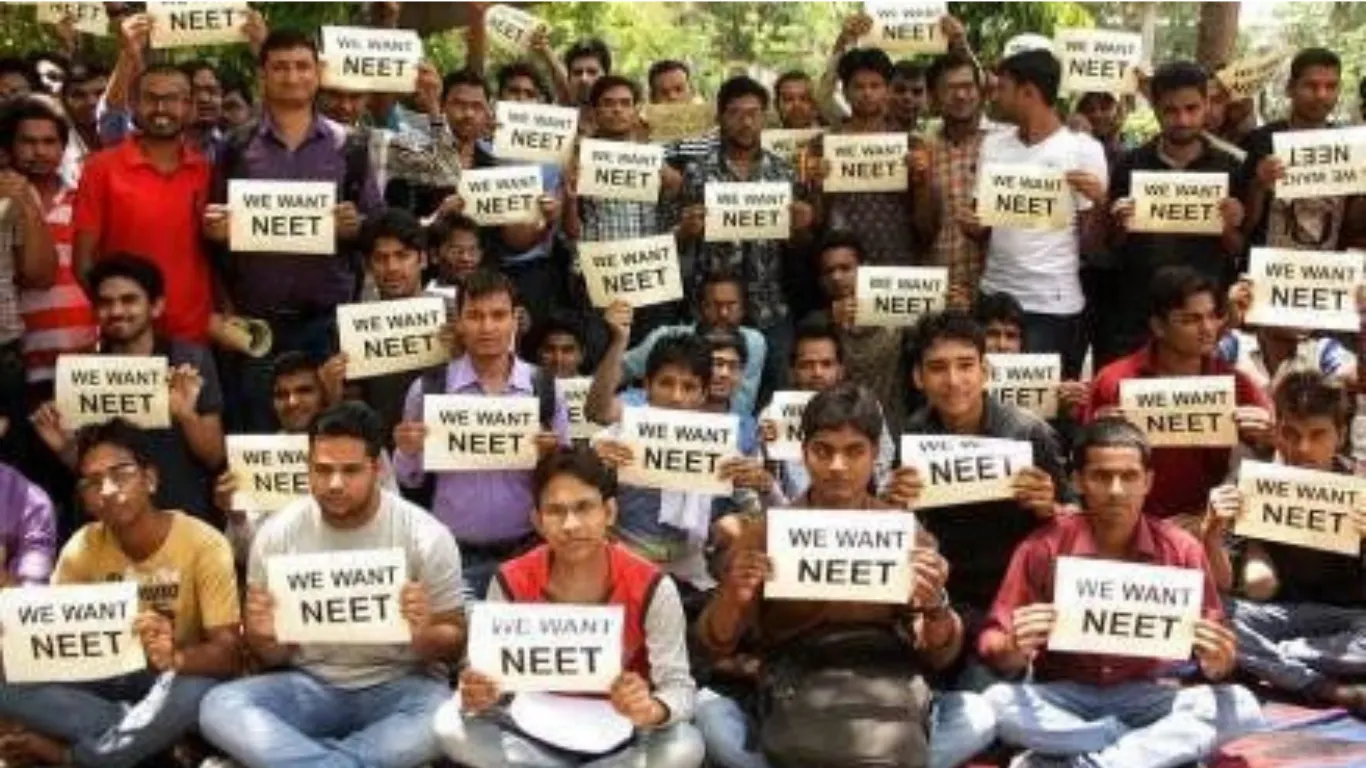
Every year, nearly 2.4 million students sit for NEET. One exam. One shot. And for a growing number of young people across India, the psychological weight of that single day has become something the system was never designed to carry.
NEET student mental health has become one of the most urgent and underreported crises in Indian education. The news keeps surfacing in tragic bursts, a student in Kota, another in Tamil Nadu, a family shattered. And then the cycle continues, the next batch of aspirants beginning their two-year preparation as if the warnings never happened.
Why NEET Pressure Is Unlike Any Other Academic Stress in India
There is a particular kind of despair that comes from believing your entire future sits inside a three-hour window. That is not an exaggeration of how NEET is experienced by many students. It is, for millions of families, the literal truth they live and communicate to their children from the age of fifteen onward.
NEET exam stress is not regular exam anxiety. It operates on a different scale. The exam is the sole gateway to undergraduate medical admissions across India. There is no second path, no portfolio option, no alternative route that carries the same social weight. When a student fails to clear it, especially after years of preparation, the emotional collapse can be total.
The cities of Kota in Rajasthan and Chennai in Tamil Nadu have become focal points for this conversation, not because the problem is regional, but because the coaching industry concentrated in these cities creates an intensity of pressure that is difficult to overstate. Students leave home at sixteen, live in unfamiliar hostels, follow punishing study schedules, and exist in an environment where their rank is their identity.
read more: UK Social Media Ban for Under-16s: What the Spring 2027 Law Will Actually Change for Families
What the Research and Reports Are Actually Showing
Student suicide in India linked to competitive examination pressure is not a new phenomenon, but the data around NEET specifically has drawn increasing attention from psychologists, policymakers, and courts.
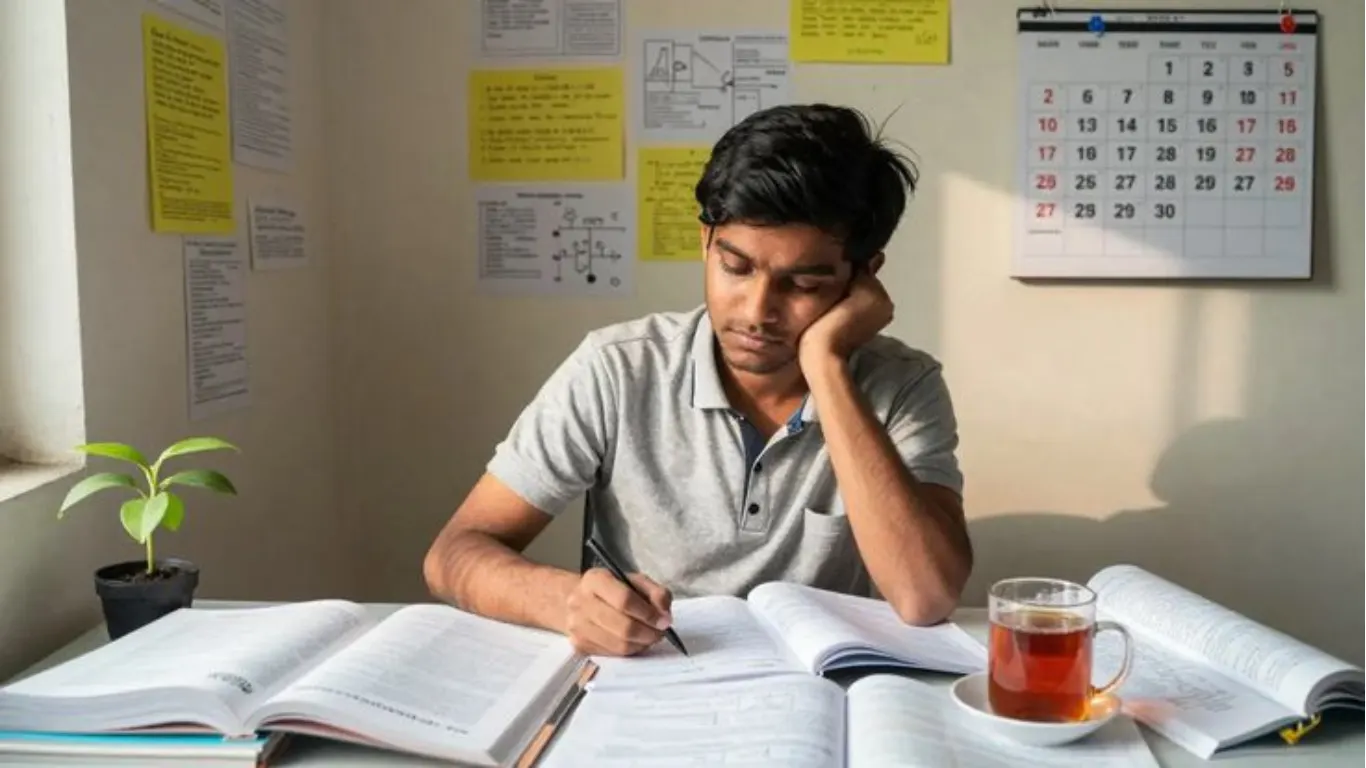
Reports from Kota alone have documented dozens of student deaths annually in recent years. Mental health professionals who work with NEET aspirants describe a pattern: the student who seemed fine, who was studying hard, who never said anything directly, but who had quietly stopped sleeping, stopped eating properly, stopped responding to friends.
The clinical term for this trajectory is academic-related psychological distress. It shares features with depression and anxiety disorders but is often missed because the student continues performing outwardly, continuing to attend classes, continuing to write tests, even as something internal deteriorates.
Examination pressure and mental health experts point to a specific set of risk factors that are common among NEET aspirants: social isolation from peers and family, fear of parental disappointment rather than personal failure, lack of any identity outside the exam, and the absence of professional mental health support within coaching institutes.
read more: The $300 Billion Question: What the US-Iran Framework Deal's Reconstruction Fund Really Means
What Is Actually Being Done, and Where the Gaps Are
The National Testing Agency has faced scrutiny over NEET for several years, though primarily around paper leak controversies and administrative irregularities. The mental health dimension of the exam has received less structural attention, which is its own kind of institutional failure.
Some states have begun requiring coaching centers to have counselors on staff. The Supreme Court has taken note of student deaths and directed investigations. Thle iCall hepline run by TISS and Vandrevala Foundation Helpline (1860-2662-345, available 24 hours) provide support for students in distress. iCall can be reached at 9152987821.
But the honest reality is that a phone number at the bottom of a policy document does not reach a student sitting alone at 2 a.m. in a Kota hostel, three weeks before the exam. What reaches them is a culture shift, and that is harder and slower to build.
Parents, more than any other group, hold influence here. Research consistently shows that parental expectation and student mental health are directly linked in competitive exam contexts. A student who believes their parents' happiness depends entirely on their NEET rank is far more vulnerable than one who feels loved regardless of the result. That distinction sounds simple. It is not always practiced.
The Systemic Problem No Single Solution Fixes
NEET exists because India needed a standardized, corruption-resistant pathway to medical education. That rationale was sound. The unintended consequence was concentrating the hopes and identities of millions of teenagers into a single bottleneck.
The conversation about reform is ongoing. Some voices call for multiple attempts per year, others for broader eligibility criteria, others for expanding medical college seats significantly. Each proposal has merit. None of them is fast enough for the student who is struggling right now.
Mental health support for students preparing for competitive exams needs to be embedded, not optional and not peripheral. Coaching institutes that charge lakhs of rupees per year can afford a trained counselor. Schools that teach biology in Class 11 knowing half the students plan to attempt NEET can weave mental health literacy into that curriculum. These are not radical ideas. They are minimum standards that have not yet been met.
If You Are a Student Reading This
The exam is hard. The competition is real. And none of that means your life is worth less than a rank. That is not a motivational poster line. It is a medical fact. Acute psychological distress during examination preparation is treatable. Many students who felt certain they could not continue have gone on to clear NEET, or found different paths that gave them equal dignity and purpose.
If you are struggling, reach out to Vandrevala Foundation Helpline at 1860-2662-345, available 24 hours, or iCall at 9152987821. These are confidential services staffed by trained counselors.
Disclaimer: This article is based on information available across the web. Parchar Manch does not take responsibility for its complete accuracy, as the content could not be fully verified.
FAQs
Why is NEET specifically associated with such high levels of student stress?
NEET is the single gateway to all undergraduate medical admissions in India. There is no alternative pathway of equivalent social standing. This concentration of future possibilities into one exam creates extreme psychological pressure, especially for students whose families have invested years and significant money in preparation.
What are the warning signs of serious mental health distress in a NEET aspirant?
Withdrawal from social contact, significant changes in sleep or appetite, declining performance without explanation, expressions of hopelessness about the future, and statements that others would be better off without them. Any of these should be taken seriously and addressed immediately with professional support.
What helplines are available for students in India facing exam-related distress?
Vandrevala Foundation Helpline: 1860-2662-345, available 24 hours. iCall by TISS: 9152987821, available Monday to Saturday. Both offer confidential support in multiple languages.
Can a student who fails NEET once still have a successful medical career?
Yes. NEET allows multiple attempts, and many doctors practicing today cleared the exam on their second or third try. There are also alternative healthcare careers, international medical education pathways, and adjacent fields in life sciences and public health.
What should parents do differently to support their children during NEET preparation?
Separate their love and relationship from the exam outcome. Discuss openly that a rank does not define worth. Ensure the student has rest, social connection, and access to professional counseling if needed. These actions are not soft. They are protective. If you or someone you know is experiencing a mental health crisis, please contact Vandrevala Foundation at 1860-2662-345 (24 hours) or iCall at 9152987821.