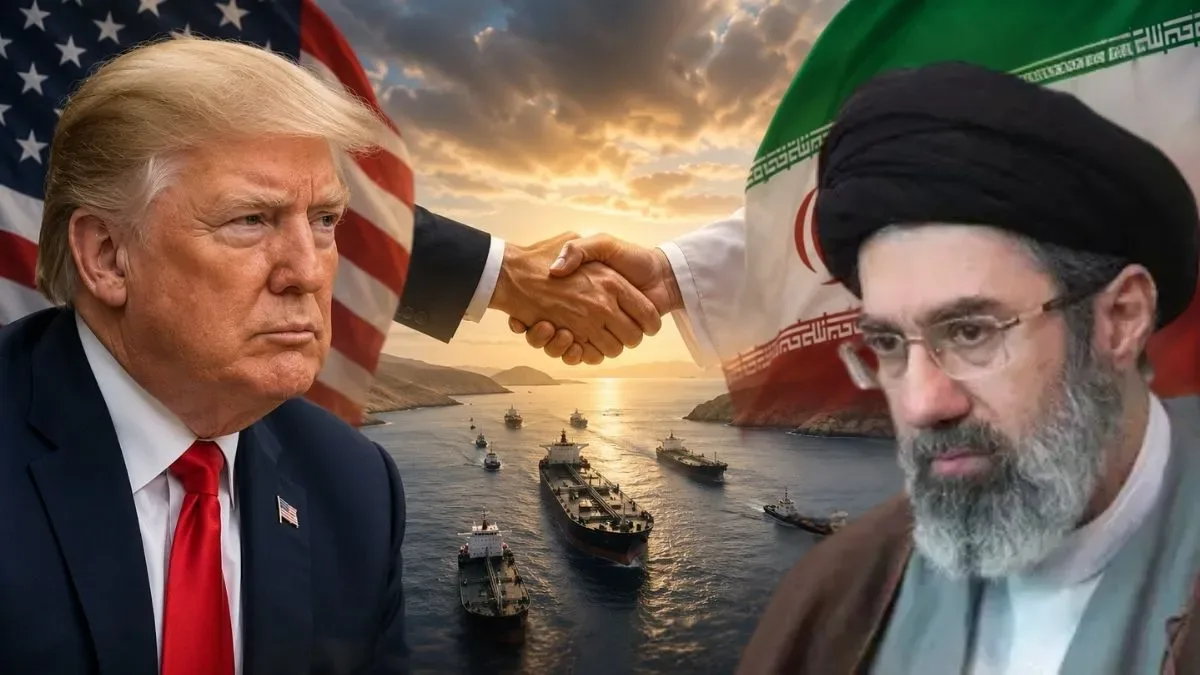
The US-Iran Agreement Is Signed: What the Ceasefire Deal Means for the World, Oil, and Nuclear Talks Ahead
Something genuinely significant happened on June 15, 2026. After more than three months of war, a US-Iran agreement was signed virtually by US President Donald Trump and Vice President JD Vance on one side, and Iranian Parliament Speaker Mohammad Bagher Ghalibaf on the other. The signing took place with Pakistan serving as a key mediator, and Switzerland as the formal location for the agreement.
The war that had been reshaping global shipping, oil prices, and regional alliances since February 2026 now has a negotiated pause. Not a full resolution. A pause with a framework.
Why the US-Iran Ceasefire Deal Matters Beyond the Middle East
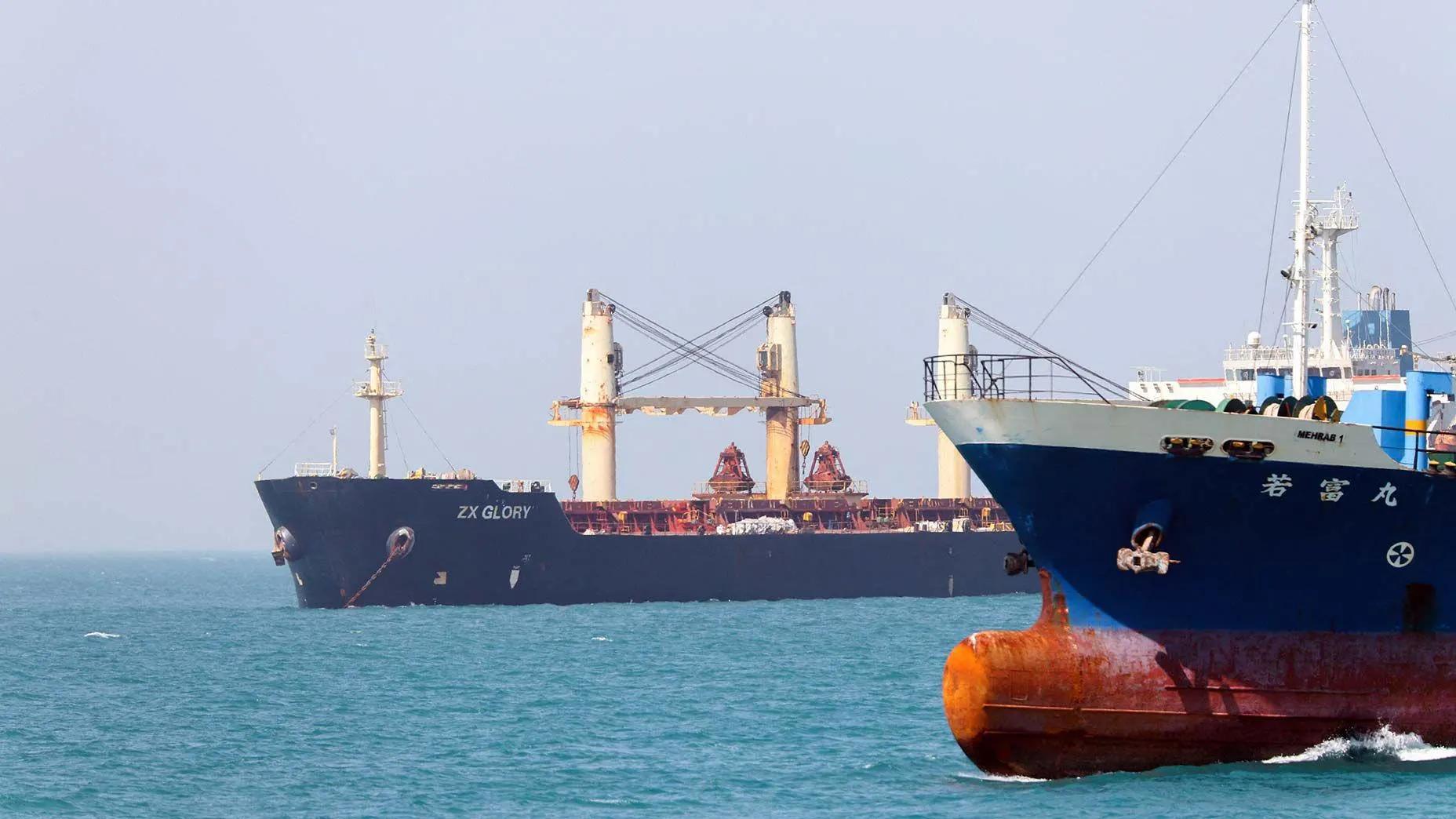
The immediate effect of the US-Iran ceasefire that most people will feel is in the Strait of Hormuz. This narrow waterway between Iran and Oman is one of the most critical shipping lanes on the planet. Roughly 20 percent of the world's traded oil moves through it. When Iran restricted access and the US imposed a naval blockade on Iranian ports in retaliation, global supply chains strained. Freight costs rose. Energy markets became volatile.
The agreement ends the US blockade and reopens the Strait of Hormuz. That matters to shipping companies in Mumbai, fuel consumers in Europe, and manufacturers everywhere who import materials that travel by sea.
Read More: Modi at 12: A Decade-Plus of Leading India , What Changed, What Didn't, and What It All Means
What the Agreement Actually Contains
The deal has three core components. First, the US naval blockade of Iranian ports ends. Trump confirmed this and authorised the lift. Second, the Strait of Hormuz reopens to international shipping. Third, and most critically for the long term, a 60-day window of nuclear negotiations begins.
That third point is where the real weight sits. Iran's nuclear program was not resolved by this agreement. It was deferred. The deal gets the guns quiet and the ships moving. What happens to Iran's uranium enrichment, its stockpiles, and its weapons potential will be the subject of the next diplomatic chapter.
Trump was pointed about one thing. He pushed back firmly on reports that the US would provide Iran with a $300 billion reconstruction fund. In a Truth Social post, he denied it as "Fake News." VP Vance, separately, acknowledged that such a fund could exist but stressed it would be funded by Gulf nations, not American taxpayers, and only if Iran fulfills its obligations.
Read More: INDIA Bloc's High-Stakes Delhi Meeting: Fault Lines, Five Decisions, and the Long Road to 2029
How This Deal Was Reached: The Road From Muscat to Switzerland
This agreement did not arrive suddenly. Negotiations between Washington and Tehran actually began as far back as April 2025, mediated initially through Oman and Italy. Multiple rounds were held, including talks in Geneva and Islamabad. Those earlier rounds collapsed after Israeli airstrikes on Iranian nuclear and military facilities escalated the situation into an active war in February 2026.
The twelve-day war that followed was intense. Three Indian seafarers were killed in US strikes in the Hormuz region, a detail PM Modi raised directly at the G7 summit just days before the deal was finalised. The war cost lives, disrupted global trade, and put enormous pressure on both sides to find an exit.
Pakistan's role as mediator was notable. Islamabad, maintaining ties with both Washington and Tehran, provided the diplomatic channel that allowed both sides to communicate without formally sitting across from each other until agreement was close enough to formalise.
What Comes Next: The Nuclear Question Is Still Open
Israel's Prime Minister Benjamin Netanyahu, in his first public comments after the deal, said he and Trump "do not always see eye to eye." That statement, measured and deliberate, reflects a real tension. Israel's concerns about Iran's nuclear weapons capability did not disappear with a ceasefire. Fighting between Israel and Iran-backed Hezbollah in southern Lebanon continued even after the agreement was announced.
The 60-day nuclear negotiation window that the deal initiates is the next critical phase. Iran's uranium stockpiles, its enrichment levels, its missile program, and frozen assets will all be on the table. Whether these talks produce a durable framework or collapse again into confrontation is the defining question of the months ahead.
Closing Thought
A ceasefire is not peace. It is the moment when both sides decide that continuing to fight costs more than stopping. What the US-Iran agreement of June 2026 represents is precisely that calculation made by both Washington and Tehran. The harder work, the nuclear question and the regional settlements, begins now.
Read More: India's Current Account Surplus Hit $7.1 Billion in Q4 FY26: What the Numbers Are Really Saying
FAQs
What did the US-Iran agreement signed on June 15, 2026 include?
The deal ended the US naval blockade of Iranian ports, reopened the Strait of Hormuz to international shipping, and launched a 60-day window for nuclear negotiations between the two countries.
Who signed the US-Iran agreement?
President Donald Trump and VP JD Vance signed virtually for the US side. Iranian Parliament Speaker Mohammad Bagher Ghalibaf signed for Iran. Pakistan served as the key mediator, with Switzerland as the formal signing location.
Will the US pay Iran $300 billion as part of the deal?
Trump denied this directly. VP Vance acknowledged a reconstruction fund concept but clarified it would be funded by Gulf nations, not the United States, and only if Iran meets its obligations.
What is the Strait of Hormuz and why does it matter?
The Strait of Hormuz is a critical shipping lane connecting the Persian Gulf to the Arabian Sea. Approximately 20 percent of the world's traded oil passes through it. Its closure during the war significantly disrupted global energy and shipping markets.
Is Iran's nuclear program resolved by this deal?
No. The nuclear question was deferred. A 60-day negotiation window was created to address Iran's uranium enrichment, stockpiles, and weapons program. No binding resolution was reached as part of the ceasefire agreement.
How does this deal affect India?
India is directly impacted through oil imports, shipping routes, and the safety of Indian maritime workers. Three Indian seafarers were killed in the conflict. PM Modi raised this at the G7 and pressed for maritime safety and the reopening of sea lanes.