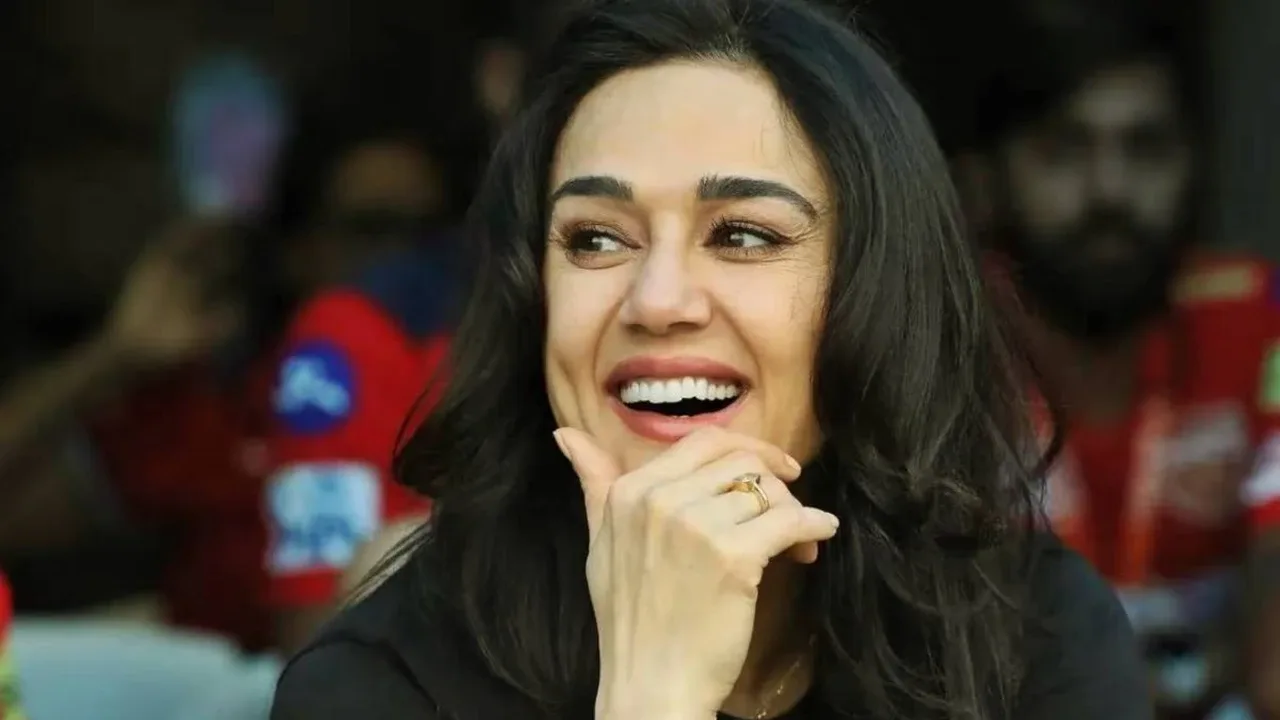
Preity Zinta Bombay High Court Case Against AI Deepfakes Just Became a Legal Turning Point
Somewhere on social media right now, there's probably a fake video of a celebrity saying something they never said. Maybe you've scrolled past one without even realising it. That's the strange, slightly unsettling world we're living in now. And this week, that world collided head-on with Indian law, because the Preity Zinta Bombay High Court case against AI-generated deepfakes has moved from a personal grievance into something courts across the country will now have to reckon with.
Here's what actually happened, and why it matters more than the headline suggests.
Why This Actually Matters
Preity Zinta, the actor, producer, and one of Bollywood's more recognisable faces, approached the Bombay High Court seeking removal of AI-generated deepfake photos, morphed content, and chatbot-style personas built using her likeness, all created and circulated without her permission. The court took cognisance of her petition. A single-judge bench led by Justice Madhav Jamdar directed all respondents, including major online platforms, to work out a mechanism for taking the objectionable content down. The matter has been posted for July 6.
This isn't just a celebrity being uncomfortable online. No, that undersells it. This is about a legal system trying to catch up with technology that can now fabricate someone's face, voice, and personality convincingly enough to fool most people scrolling at midnight. If courts start treating AI-generated deepfake content as a serious violation of personal identity, it changes what platforms are legally required to do, not just what they choose to do.
Read more:Welcome to the Jungle Reviews: Why Critics and Audiences Genuinely Can't Agree on This One
What This Case Really Is, Explained Simply
Think of your identity, your face, your voice, the way you talk, as something you own, the same way you own your house or your car. Personality rights are essentially the legal recognition that nobody else gets to use that identity for their own purposes without your permission. Deepfakes complicate this in a way old cases never had to deal with. Earlier, someone might misuse your photo on a poster. Now, AI can manufacture an entirely fabricated version of you saying or doing things you never did.
That's the core distinction legal experts have been drawing around this case. It isn't unauthorised use of an existing image anymore, it's the recreation, or simulation, of a person's identity altogether. Quietly, that's a much bigger problem.
How the Legal Process Actually Worked, Step by Step
Zinta didn't file this suit through an ordinary route. Here's roughly how it unfolded.
- She first approached the Bombay High Court directly, arguing that deepfake videos, morphed images, and AI chatbot personas built on her identity had been circulated without consent.
- Her counsel invoked Clause XII of the Letters Patent, a provision that allows the Bombay High Court to hear civil suits when even part of the cause of action arises within Mumbai's territorial limits, since Zinta resides and works there.
Read More: Power Shifts 2026: A Clear Look at India’s Changing Political Scene
- Justice Abhay Ahuja granted leave for the suit to proceed, a procedural step, but a meaningful one, because it establishes that the court does have jurisdiction to hear the matter.
- Separately, under the cognisance order, Justice Madhav Jamdar's bench directed platforms including Google and Meta to consult with each other and propose a working mechanism for removing the flagged content.
- The matter now continues as an independent civil suit, with the next hearing scheduled for July 6.
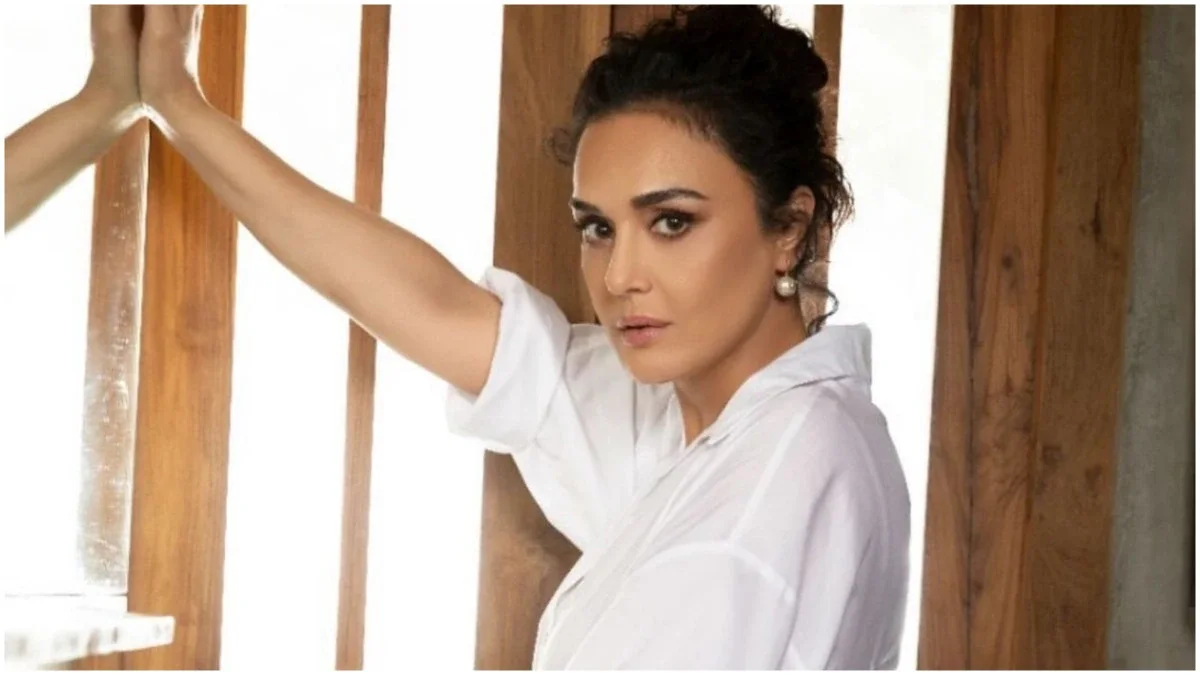
What stands out here is that Google appears as a principal respondent, not merely a formal party added for procedure. That's unusual, and it signals courts increasingly see platforms as active participants in how this content spreads, not passive hosts standing on the sidelines.
Real-World Context: This Isn't an Isolated Case
Zinta's petition joins a growing list. The Delhi High Court has previously protected the personality rights of Shashi Tharoor, Arjun Kapoor, Sonakshi Sinha, Aishwarya Rai Bachchan, Karan Johar, Sunil Gavaskar, Gautam Gambhir, and several others facing similar unauthorised digital impersonation. What makes the Preity Zinta AI deepfake case slightly different is the sheer range of content described, deepfake videos, memes, manipulated stills, and AI chatbot personas mimicking her, all bundled into one petition rather than treated as isolated incidents.
Read More: DK Shivakumar Is Finally Becoming Karnataka Chief Minister: The Wait, The Deal, and What Comes Next
Mistakes People Keep Making With Deepfake Cases
A common assumption is that deepfake cases are basically copyright disputes, just about someone using a photo without permission. They're not, not really. The grievance here spans personality rights, moral rights, goodwill, reputation, and possibly false endorsement claims all at once. Treating it as a narrow copyright issue misses the actual scale of harm being alleged.
Pro Tips for Understanding Where This Is Headed
If you're trying to follow how Indian courts are shaping AI accountability, watch two things closely: whether platforms are named as principal respondents rather than formal ones, and whether courts start mandating proactive detection mechanisms instead of reactive takedown requests. Both signal how seriously the judiciary is treating AI-manufactured identity, rather than just misused photographs.
Closing Thoughts
There's something quietly significant happening here, beyond one actor's frustration with fake content online. Every public figure with a recognisable identity now has a reference point to lean on. Whether platforms actually build the removal mechanisms the court is asking for, that remains to be seen. July 6 will tell us more.
Disclaimer: This article is based on information available across the web. Parchar Manch does not take responsibility for its complete accuracy, as the content could not be fully verified.
FAQs
What did Preity Zinta ask the Bombay High Court for?
She sought removal of AI-generated deepfake photos, morphed images, and chatbot personas built using her identity without consent, along with broader relief against platforms enabling their spread.
Which companies were named in the case?
Google LLC, Meta Platforms, and other online entities were named, with Google treated as a principal respondent rather than a formal party.
Why was this filed in the Bombay High Court specifically?
Because Zinta resides and works in Mumbai, her counsel invoked Clause XII of the Letters Patent, which allows the court to hear suits where part of the cause of action arises locally.
When is the next hearing?
The matter has been posted for July 6.
Is this the first personality rights case of its kind in India?
No, the Delhi High Court has previously ruled on similar cases involving other actors and public figures, though this case is notable for combining deepfakes, memes, and AI chatbot personas into one petition.
What happens if the court rules in her favour?
It would likely set a precedent requiring platforms to build stronger, possibly proactive, mechanisms for detecting and removing AI-generated impersonation content, not just responding after complaints.