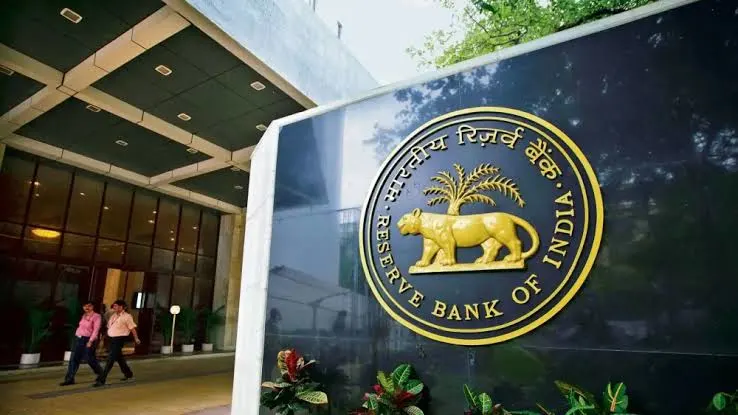
RBI Monetary Policy 2026: Key Decisions on Repo Rate and Their Impact on Home Loans
The RBI Monetary Policy 2026 has become one of the most closely watched economic developments in India, with borrowers, investors, businesses, and financial markets eagerly awaiting the central bank's latest decisions. Every policy announcement by the Reserve Bank of India (RBI) influences interest rates, inflation management, bank lending, and the overall direction of the Indian economy.
In the latest RBI Monetary Policy 2026 announcement, the Monetary Policy Committee (MPC) reviewed the country's inflation trends, GDP growth outlook, liquidity conditions, and global economic challenges before taking a decision on the repo rate. While inflation has remained relatively stable compared to previous years, the RBI continues to balance economic growth with price stability.
The decisions announced under the RBI Monetary Policy 2026 are expected to influence home loan EMIs, business borrowing costs, savings returns, and investment strategies over the coming months.
What Is RBI Monetary Policy?
The Reserve Bank of India announces its monetary policy several times every year through the Monetary Policy Committee. The objective is to maintain inflation within the target range while supporting sustainable economic growth.
The RBI Monetary Policy 2026 focuses on several key areas:
- Repo Rate
- Reverse Repo Rate
- Inflation Control
- Economic Growth
- Banking Liquidity
- Financial Stability
These policy measures directly affect commercial banks, financial institutions, borrowers, and investors across India.
Repo Rate Remains the Centre of Attention
The repo rate is the interest rate at which commercial banks borrow funds from the RBI.
During the RBI Monetary Policy 2026, market experts closely monitored whether the central bank would increase, decrease, or maintain the repo rate.
If the RBI reduces the repo rate:
- Home loans become cheaper.
- Business loans may become more affordable.
- Auto loan interest rates can decline.
- Consumer spending may increase.
If the repo rate is increased:
- Borrowing becomes expensive.
- Loan EMIs rise.
- Inflation is controlled more effectively.
- Savings may generate better returns.
This is why every RBI policy announcement receives significant attention from financial markets.
Impact on Home Loan Borrowers
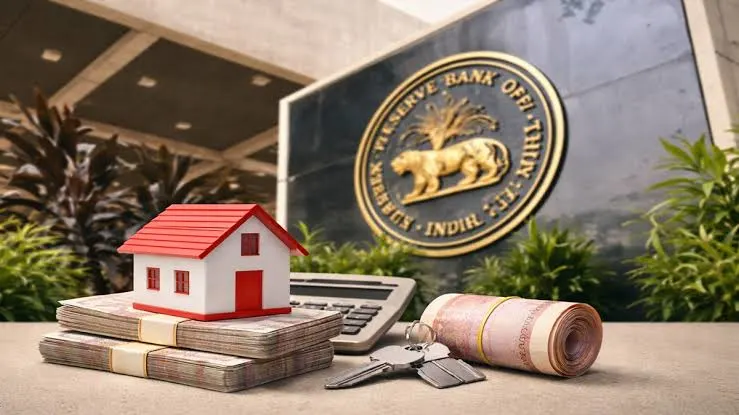
One of the biggest concerns after the RBI Monetary Policy 2026 announcement is its impact on home loans.
Borrowers with floating-rate home loans are directly affected whenever banks revise lending rates based on RBI policy decisions.
If lending rates decrease:
- Monthly EMIs may reduce.
- Loan affordability improves.
- New homebuyers may enter the property market.
- Real estate demand may increase.
However, if interest rates remain unchanged, existing borrowers are unlikely to see immediate changes in their EMIs unless banks independently revise lending rates.
How Businesses May Benefit
The RBI Monetary Policy 2026 also plays an important role in business expansion.
Lower borrowing costs encourage companies to:
- Invest in new factories.
- Expand manufacturing.
- Hire more employees.
- Increase production capacity.
- Launch new business projects.
Small and Medium Enterprises (SMEs) especially benefit from affordable financing, allowing them to compete more effectively in domestic and international markets.
Impact on Inflation
Inflation remains one of the RBI's biggest priorities.
The RBI Monetary Policy 2026 aims to maintain price stability while ensuring sufficient liquidity for economic growth.
When inflation rises rapidly, the RBI may tighten monetary policy by increasing borrowing costs.
When inflation remains under control, the RBI has greater flexibility to support economic expansion through accommodative policy measures.
This balance helps protect consumers from rising prices while encouraging investment.
Stock Market Reaction
Financial markets closely monitor every RBI policy announcement.
Following the RBI Monetary Policy 2026, investors analyse the RBI Governor's statements regarding:
- Inflation outlook
- GDP growth forecast
- Banking liquidity
- Global economic risks
- Future policy stance
Banking, real estate, automobile, and financial services stocks usually witness higher volatility immediately after policy announcements.
Long-term investors generally focus more on the RBI's economic outlook than short-term market fluctuations.
What Experts Say
Economists believe the RBI Monetary Policy 2026 reflects the central bank's cautious approach toward balancing inflation control with economic growth.
Several analysts expect lending activity to remain stable if inflation continues within the RBI's target range.
Others believe future policy decisions will depend on:
- Global crude oil prices
- Food inflation
- International interest rates
- Currency movements
- Domestic consumption
These factors will continue influencing future monetary policy meetings.
What Consumers Should Do
Consumers should avoid making financial decisions solely based on one RBI announcement.
Financial experts recommend:
- Comparing home loan interest rates regularly.
- Maintaining a healthy credit score.
- Avoiding unnecessary debt.
- Reviewing investment portfolios periodically.
- Building emergency savings.
Borrowers planning to purchase homes or vehicles should also compare loan offers from multiple banks before finalising financing.
India's Economic Outlook
India remains one of the fastest-growing major economies in the world.
The RBI Monetary Policy 2026 supports the government's long-term objectives of maintaining financial stability while encouraging investment, infrastructure development, manufacturing growth, and employment generation.
If inflation remains controlled and economic activity continues to improve, India could witness stronger private investment and higher consumer confidence over the next year.
Conclusion
The RBI Monetary Policy 2026 is a significant policy announcement that affects almost every section of the economy. Whether you're a homebuyer, investor, entrepreneur, or salaried employee, RBI decisions influence borrowing costs, savings returns, investment opportunities, and market confidence.
Although immediate changes may vary depending on banking decisions and market conditions, the policy provides valuable guidance on India's economic direction. As future MPC meetings take place, businesses and consumers will continue to monitor RBI announcements for further updates on interest rates and inflation management.
Read More: Rupee Hits Record Low Against Dollar: Why Your Wallet Feels It Even If You Never Travel Abroad
FAQs
What is the RBI Monetary Policy 2026?
The RBI Monetary Policy 2026 is the Reserve Bank of India's policy framework that determines repo rates, inflation management, liquidity, and economic growth strategies.
How does the RBI Monetary Policy 2026 affect home loans?
The RBI Monetary Policy 2026 can influence home loan interest rates and EMIs, especially for borrowers with floating-rate loans.
Why is the repo rate important in the RBI Monetary Policy 2026?
The repo rate is a key tool in the RBI Monetary Policy 2026 that determines borrowing costs for banks and indirectly affects loans and deposits.
Does the RBI Monetary Policy 2026 impact businesses?
Yes. The RBI Monetary Policy 2026 affects business borrowing costs, investment decisions, expansion plans, and overall economic activity.
Who should follow the RBI Monetary Policy 2026?
Borrowers, investors, businesses, homebuyers, economists, and financial institutions should closely monitor the RBI Monetary Policy 2026 as it influences multiple sectors of the economy.