SEBI's Next Reform Phase Is Here: What Tuhin Kanta Pandey's Announcements Mean for Every Indian Investor
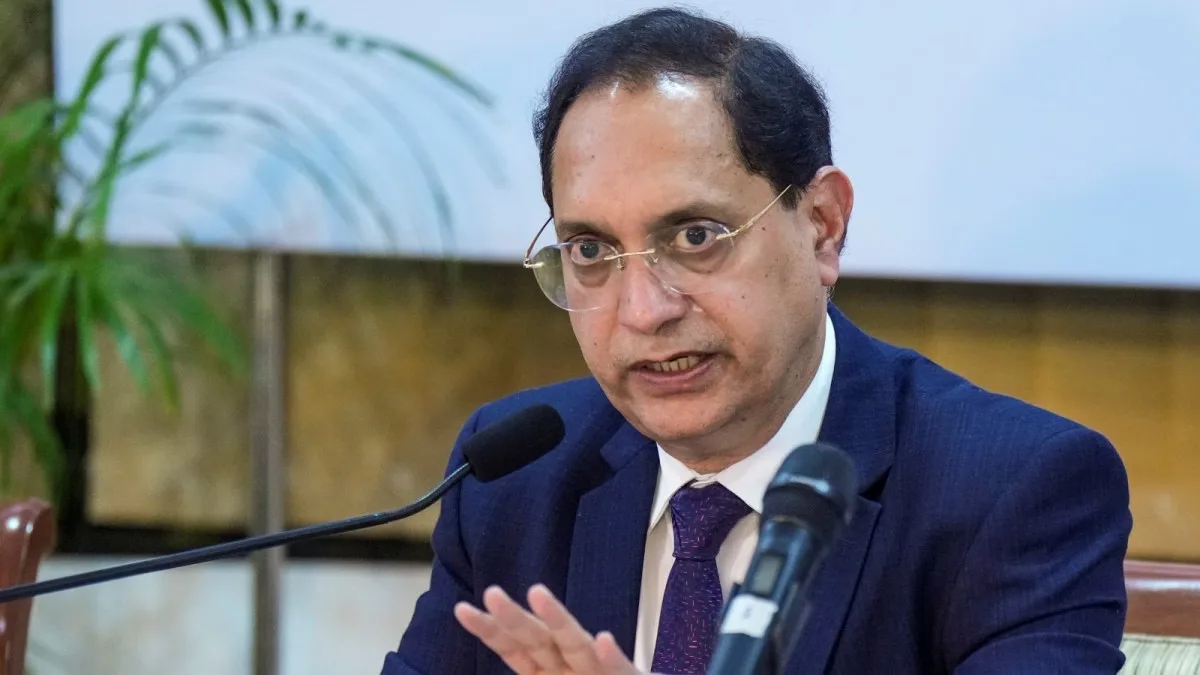
When India's market regulator speaks at a major investor conference, it is worth paying full attention. Not because the words are always dramatic, but because the details tend to matter years later. On June 8, 2026, SEBI Chairman Tuhin Kanta Pandey laid out the clearest picture yet of where Indian capital markets are heading, and what changes investors, brokers, and companies should expect.
The venue was the ICICI Securities India Investor Conference in Mumbai. The message was substantive.
Why SEBI's New Market Reform Phase Matters to Retail Investors
India's capital markets have emerged as a critical channel connecting household savings with enterprise growth, supported by rising retail participation and deepening financialisation of savings.
The numbers behind that statement are striking. Individual investor participation in the securities market surged to 145 million unique accounts, growing at over 20 percent annually, while overall mutual fund assets grew from a base of Rs 12 trillion to an unprecedented Rs 80 trillion. Over a decade, India's broader market capitalisation grew from 69 percent of GDP to 128 percent.
When 145 million people are participating in a market, the rules governing that market are not abstract policy documents. They directly shape how those people invest, what they pay in fees, how quickly they can access new products, and how protected they are when things go wrong. That is why Pandey's announcements on June 8 matter to ordinary investors, not just institutional players.
The Key Reforms SEBI Chairman Pandey Outlined
Bond Tokenisation Pilot
The announcement that attracted the most attention from market watchers was this: SEBI is preparing to roll out a bond tokenisation pilot within six to nine months to boost debt market participation.
Bond tokenisation means converting government or corporate bonds into digital tokens on a blockchain-based system, making them easier to buy, sell, and settle. For retail investors who have historically found the bond market complex and inaccessible, this could be a genuine game-changer. Think of it like converting a bulky paper land deed into a simple digital record , the asset is the same, but suddenly it is far easier to transact.
Corporate bond issuances have crossed Rs 9 lakh crore, yet secondary market liquidity remains limited. SEBI is working on a market-making framework aimed at improving liquidity in secondary trading. Coordination with the Reserve Bank of India is ongoing, particularly for total return swaps and corporate bond derivatives.
Broker Net-Worth Norms Under Review
SEBI was examining changes to ensure capital requirements for brokers better reflect their operational scale and risk profile.
This reform has a direct consumer dimension. Variable net-worth requirements mean smaller regional brokers and larger national platforms would be treated differently based on the risks they actually carry, rather than being held to a single blunt standard. The goal is to keep the market robust without creating barriers that push small investors toward only a few large platforms.
IPO Price Discovery and Listing Framework
SEBI is reviewing IPO price discovery mechanisms, research analyst compliance rules, and mutual fund borrowing norms as part of its next phase of market reforms.

India is already the world's leading market by number of IPOs. Improving how IPO prices are discovered , so that listing-day volatility reduces and companies raise capital closer to fair value , benefits both issuers and investors.
The Philosophy Behind SEBI's Reform Agenda
According to Pandey, the purpose behind these reforms is straightforward. The focus is on reducing friction, improving clarity, and enabling growth while maintaining safeguards. Trust remains the foundation of successful markets.
Intermediaries, especially stockbrokers, serve as the primary point of contact for millions of investors. They must ensure robust onboarding through proper Know Your Customer processes, prevent misuse and fraud, provide fair and transparent service, and act with integrity while avoiding conflicts of interest and mis-selling.
That framing , putting trust at the center of regulation rather than just compliance , is a meaningful signal. It suggests SEBI under Pandey is thinking about market quality, not just market size.
What the Data Says About India's Market Maturity
311 IPOs raised Rs 1.7 trillion in the first nine months of FY26 alone, while total equity mobilisation crossed Rs 3.8 trillion. India's market capitalisation-to-GDP ratio has risen sharply from 69 percent in FY16 to over 130 percent.
A market capitalisation-to-GDP ratio of 130 percent signals a deeply integrated financial system. Most developed economies hover in a similar range. India getting there this quickly is remarkable , and it also raises the stakes for getting regulation right.
A market of this size and depth needs rules that scale with it. That is exactly what Pandey is now building.
Disclaimer: This article is based on information available across the web. Parchar Manch does not take responsibility for its complete accuracy, as the content could not be fully verified.
FAQs
Who is SEBI Chairman Tuhin Kanta Pandey?
Tuhin Kanta Pandey took over as SEBI Chairman in March 2025. He has moved quickly to make regulations more investor-friendly, focusing on reducing friction for both domestic retail investors and foreign portfolio investors while maintaining market integrity.
What is bond tokenisation and why is it important?
Bond tokenisation converts debt instruments like government or corporate bonds into digital tokens using blockchain technology. It improves accessibility, speeds up settlement, and can significantly improve liquidity in India's corporate bond market, which has traditionally been dominated by institutional players.
What changes are coming for stockbrokers under SEBI's new reform phase?
SEBI is reviewing variable net-worth requirements for stockbrokers, moving away from a one-size-fits-all capital requirement to a framework that better reflects each broker's actual operational scale and risk profile.
How has retail investor participation in India's markets grown?
Individual investor accounts grew to 145 million at an annual pace of over 20 percent. Mutual fund assets grew from Rs 12 trillion to Rs 80 trillion. India's market cap-to-GDP ratio reached 128 percent, up from 69 percent a decade ago.
Will SEBI's corporate bond reforms affect ordinary investors?
Yes. Improvements to secondary market liquidity, the new market-making framework, and the bond tokenisation pilot are all aimed at making debt instruments more accessible to retail participants who currently face high entry barriers in India's corporate bond market.