Snap Specs AR Glasses at $2,195: Are These the Post-Smartphone Future or Just an Expensive Bet?
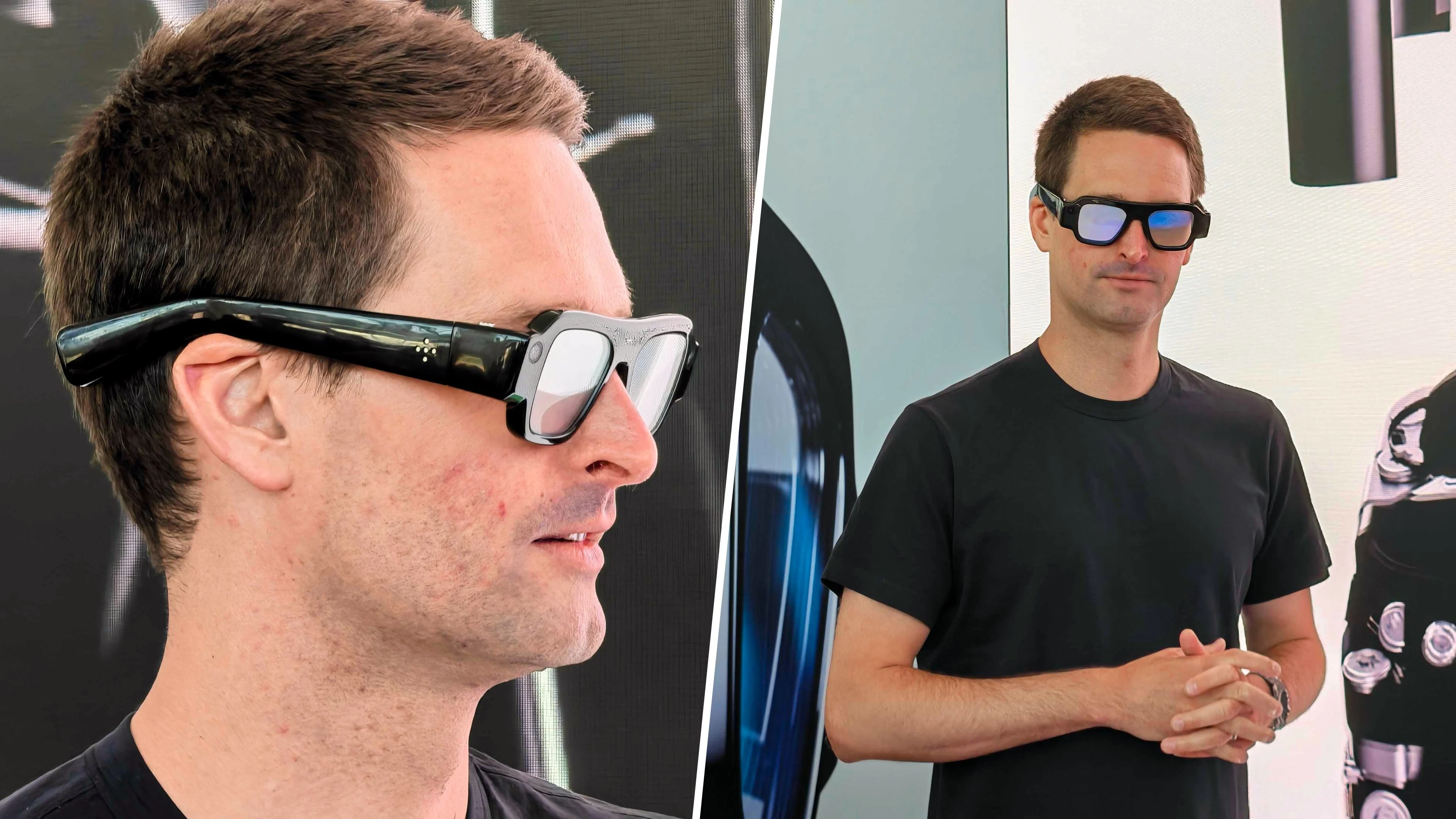
Nearly twenty years after the iPhone changed how humans interact with computers, Snap CEO Evan Spiegel stood at the Augmented World Expo in Long Beach this week and said, quietly and with obvious conviction, that people are ready to think about computing differently. Then he unveiled Snap Specs AR glasses, priced at $2,195, and the conversation got interesting fast.
This is not the Spectacles from 2016. It is not even the developer-only version from 2024. Snap Specs 2026 is the company's first genuine consumer AR product, a decade and over $3 billion of investment in the making, and it is being positioned not as a gadget but as a new computing platform.
What Makes Snap Specs Different From Everything Else Out There
The phrase "AR glasses" has been thrown around for years, attached to products that were either too bulky, too limited, or too tethered to a smartphone to feel like a real category. Snap Specs augmented reality glasses are a different argument. They are fully standalone. No external compute puck. No phone required. Two Qualcomm Snapdragon processors are packed into a frame that weighs just 132 grams in the 47mm size and 136 grams in the 52mm size.
That weight matters. The developer version from 2024 weighed 226 grams. These feel, by all accounts, like actual glasses.
Read More: Keir Starmer to Announce Social Media Ban for Under-16s: What It Could Mean for Millions of Families
The Technical Picture, Explained Simply
Think of the Specs as a wearable computer that puts a transparent digital layer over whatever you are looking at. Snap's proprietary liquid crystal on silicon display technology produces a 51-degree field of view and 16 million colors. The motion-to-photon latency, which is the gap between you moving and the image responding, is seven milliseconds. That is the lowest publicly stated figure for any six-degrees-of-freedom AR product announced to date.
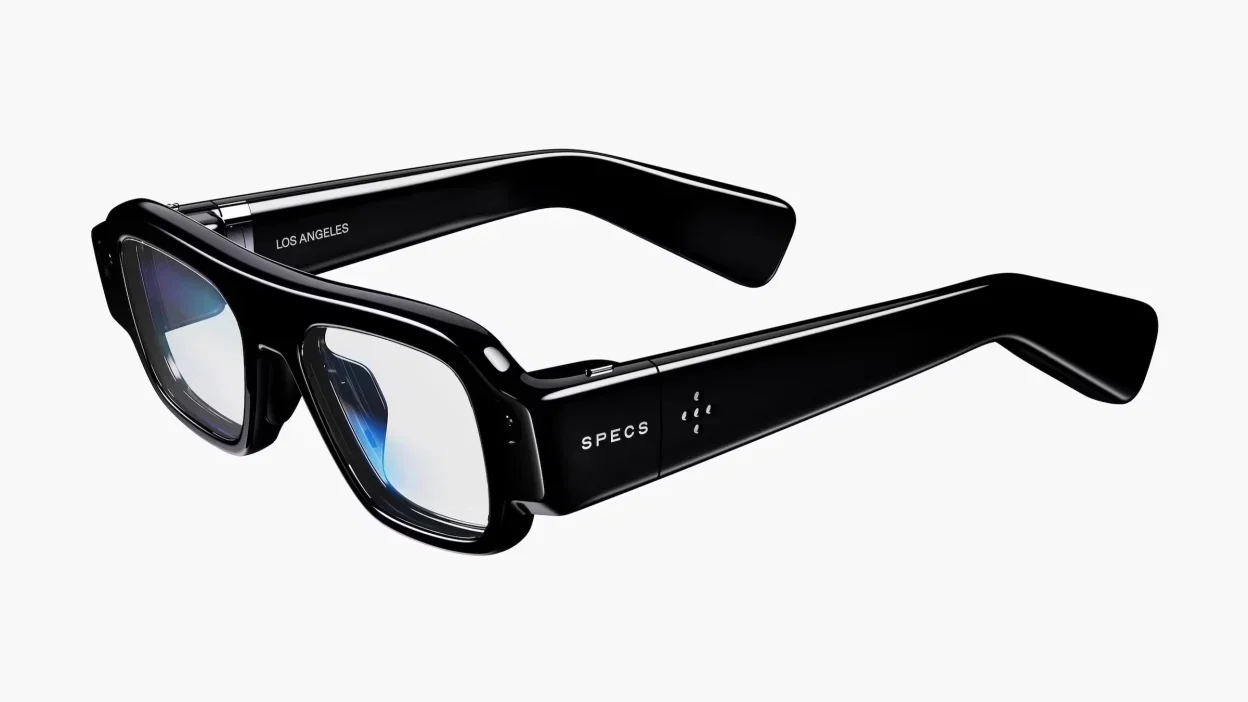
The electrochromic lenses are one of the more clever details. They shift from clear indoors to tinted in sunlight in about ten seconds, far faster than the photochromic lenses used in competing products, and they work through car windshields where traditional transition lenses do not. The frame is built from Swiss TR90 polymer, a material chosen for its combination of lightness, flexibility, and durability.
What You Can Actually Do With Snap Specs
The demos shown at AWE 2026 covered a range of use cases that feel genuinely practical rather than staged. Navigation arrows overlaid directly onto streets. Real-time language translation appearing in your field of vision. Gesture-controlled interfaces. Contextual help during car repairs, where the glasses recognise what you are looking at and surface relevant instructions. Cooking timers that appear in view without needing to look at a phone. Furniture measurements taken by looking at the room.
Beyond utility, Specs connect to phones, computers, and gaming systems over USB-C and can function as a display for content viewing. The Snapchat Lenses ecosystem, which developers have already been building for, gives Specs a library of AR experiences from day one, including mini games, virtual objects, and immersive educational tools.
Battery life is four hours of mixed use. The included charging case extends that to twenty hours total.
The Price, the Market, and the Question Nobody Can Quite Answer
At $2,195 with a $200 refundable deposit to reserve, these are not for casual buyers. They are also not for developers. Snap is explicitly pitching Specs at early adopters and consumers who are ready to invest in a new computing category before it becomes mainstream.
The honest comparison point is the original Apple Vision Pro, a product that impressed critics and found a small, enthusiastic audience but struggled to expand beyond it. Snap Specs competition in 2026 includes Meta's Ray-Ban glasses at the low end and whatever Apple and Google may still be building at the high end. Snap is betting on getting to market first with a true standalone consumer AR device.
Spiegel, a father of four boys, told CNBC that at home he pictures kids running around playing laser tag in AR, learning about dinosaurs by looking at them in their living room, building Lego with digital instructions overlaid on the bricks.
Read More: India's AI Problem: Why the World's Fastest-Growing Digital Nation Is Struggling to Keep Up
Closing Thoughts
There is something almost stubborn about the way Snap is doing this. Not chasing smartphone users with a cheaper accessory. Betting that the smartphone era is ready to yield to something else entirely. Whether $2,195 is the right price for that bet is a question the market will answer this autumn, when Specs begin shipping in the US, UK, and France. But the hardware case for AR glasses being a real category has never been stronger. And Snap, somewhat unexpectedly, just made it.
Disclaimer: This article is based on information available across the web. Parchar Manch does not take responsibility for its complete accuracy, as the content could not be fully verified.
FAQs
What are Snap Specs AR glasses?
They are Snap's first consumer-facing augmented reality glasses, fully standalone with no phone tether required. They overlay digital information onto the real world through transparent lenses and run two Qualcomm Snapdragon processors.
How much do Snap Specs cost?
The price is $2,195, with a $200 refundable deposit to place a preorder. They are expected to ship in autumn 2026 in the US, UK, and France.
How long does the Snap Specs battery last?
Up to four hours of mixed use. The included charging case provides four additional charges, giving a total of around twenty hours of use before needing to plug in.
What can you do with Snap Specs?
Navigation overlays, real-time language translation, gesture control, content viewing, DIY assistance, cooking timers, furniture measurement, gaming, and access to Snapchat's existing Lenses library.
How do Snap Specs compare to Meta Ray-Ban glasses?
Meta's Ray-Ban glasses are primarily camera and audio devices without a true AR display. Snap Specs include a full see-through display with 51-degree field of view, placing digital objects into the real world visually.
When will Snap Specs ship?
Snap has confirmed a fall 2026 ship date for the US, UK, and France. Preorders are open now with a refundable $200 deposit.