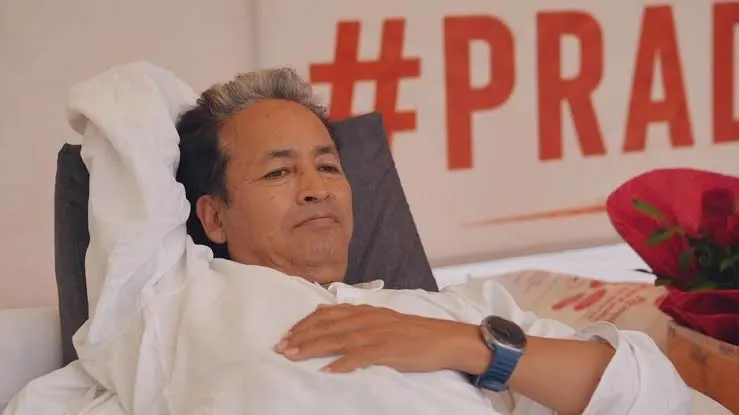
Sonam Wangchuk Health Crisis Deepens: Potassium Levels, A Court Petition, And A Wife Who Says She's Lost Faith
Potassium at 2.9. Sit with that number for a second, because doctors are calling it alarming, life threatening even. That is the blunt, uncomfortable center of the Sonam Wangchuk health crisis unfolding right now in Delhi, and it has pulled in everything from hospital ethics to a High Court petition within the span of a single weekend.
Let me untangle what's actually happened, because the story has moved fast and some of the important parts are easy to miss.
Why This Actually Matters
You could read this as just another protest story, activist, hunger strike, hospital, done. But no, that undersells it. When a public figure's blood chemistry becomes contested between a government hospital and his own family, and when that disagreement lands in front of a judge, you're no longer just watching a protest. You're watching a trust breakdown play out in real time, between citizens and institutions that are supposed to protect them. That's worth understanding regardless of where you stand on his politics.
What It Really Is (Concept Explained Simply)
Here's the plain version. Wangchuk has been fasting for over three weeks as part of the Cockroach Janata Party's protest over alleged NEET paper leaks and education reform. He was shifted to Safdarjung Hospital on July 18 after his condition worsened. Since then, doctors say his blood parameters have been affected by what they call the physiological stress of prolonged fasting, standard medical language, essentially his body running on empty for too long.
Now here's where it gets messier. His wife, Gitanjali Angmo, says the hospital privately told her his potassium had dropped to 2.9, a level she describes as alarming and life threatening. But the hospital's public health bulletin, she says, only mentioned "decreasing potassium levels" without giving the actual figure. That gap, between what a family is told privately and what gets published publicly, is exactly why she moved the Delhi High Court for an urgent hearing, seeking his discharge. She's been blunt about it too, saying she has lost faith in the hospital altogether.
How It Works, Step By Step
So how did we get from a protest fast to a courtroom petition in a matter of days.
- The fast begins: Wangchuk joins CJP's sit in at Jantar Mantar, fasting alongside demands for education accountability.
- Health deteriorates: Around three weeks in, his condition worsens enough that Delhi Police shift him to Safdarjung Hospital on July 18.

- The numbers dispute: His wife claims she was privately told his potassium hit 2.9, while the hospital's official bulletin used vaguer wording, omitting the specific figure.
- Legal escalation: Angmo approaches the Delhi High Court on an urgent basis, asking for his discharge, citing lost confidence in the facility's transparency.
- The political framing: Meanwhile, Wangchuk himself has described the planned Chalo Sansad march to Parliament as India's second freedom movement, calling for freedom from fear and freedom from injustice, language clearly meant to rally supporters ahead of the Monsoon Session.
- Conditional resolution offered: Despite everything, his wife has said he would end his fast if political leaders meet him at the hospital and assure him the education issue will be raised in Parliament.
Real World Examples
This isn't the first time a health crisis during a hunger strike has spilled into legal and political territory. Wangchuk's own history shows this pattern, his earlier 35 day fast over Ladakh's statehood ended amid unrest rather than resolution, while a shorter 21 day fast in 2024 wrapped peacefully with a public gesture, a glass of juice, thousands watching. What's different this time is the direct institutional conflict, a family publicly accusing a government hospital of downplaying severity. That's a new layer, and it changes how the story gets read, from protest coverage to something closer to an accountability story about hospitals themselves.
Mistakes People Keep Making (And Why)
One mistake, assuming a potassium reading of 2.9 is exaggeration or political theater. It isn't, clinically, potassium that low is genuinely dangerous, capable of causing cardiac complications, so the alarm isn't manufactured. Another mistake, assuming the hospital deliberately hid information out of malice. It's entirely possible their bulletin language follows standard medical communication norms, vague on purpose for privacy reasons, even if it reads, to a worried family, like concealment.
Pro Tips That Actually Help
If you're following the Sonam Wangchuk health crisis as it develops, watch for the Delhi High Court's response to the discharge petition, that ruling will clarify a lot about how the situation proceeds. Don't rely on hospital bulletins alone for the full picture, cross check family statements and court filings too, they often carry the specifics that public bulletins leave out. And keep the medical story separate from the political one in your own head, potassium levels and parliamentary promises are two different tracks that happen to be moving at the same time right now.
Closing Thoughts
There's a quiet unease in watching a family lose trust in the very institution meant to be caring for someone they love, especially when that someone chose, deliberately, to put his body on the line for a cause. Whatever the High Court decides, whatever Parliament does or doesn't do this Monsoon Session, the deeper question sticks around. how much do we actually trust the numbers we're given, when the person behind them is fighting for their life.
FAQs
What is Sonam Wangchuk's current health condition?
His potassium levels reportedly dropped to 2.9, described by doctors as alarming and life threatening, following over three weeks of hunger strike.
Why did his wife move the Delhi High Court?
Gitanjali Angmo sought an urgent hearing to have him discharged from Safdarjung Hospital, saying she had lost faith in the facility after it allegedly omitted his actual potassium reading from public bulletins.
When was Sonam Wangchuk admitted to hospital?
He was shifted to Safdarjung Hospital on July 18, after his health deteriorated during his ongoing hunger strike at Jantar Mantar.
When was Sonam Wangchuk admitted to hospital?
He was shifted to Safdarjung Hospital on July 18, after his health deteriorated during his ongoing hunger strike at Jantar Mantar.
Under what condition would Wangchuk end his hunger strike?
His wife said he would end the fast if political leaders visited him at the hospital and assured him that education system accountability would be raised during the Monsoon Session.