Why the Takaichi India Visit Just Changed the India-Japan Story
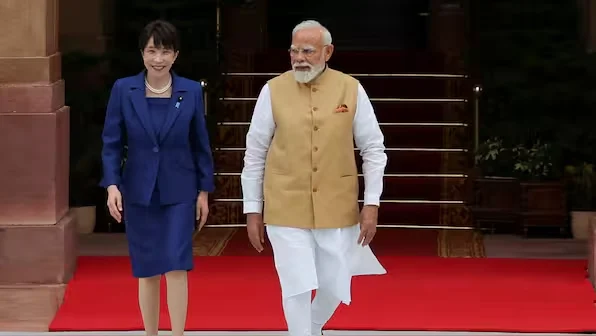
Three days. New Delhi. Two leaders who, until this week, had never met on each other's home soil as heads of government. That's the short version of the Takaichi India visit, and honestly, short versions rarely do these things justice.
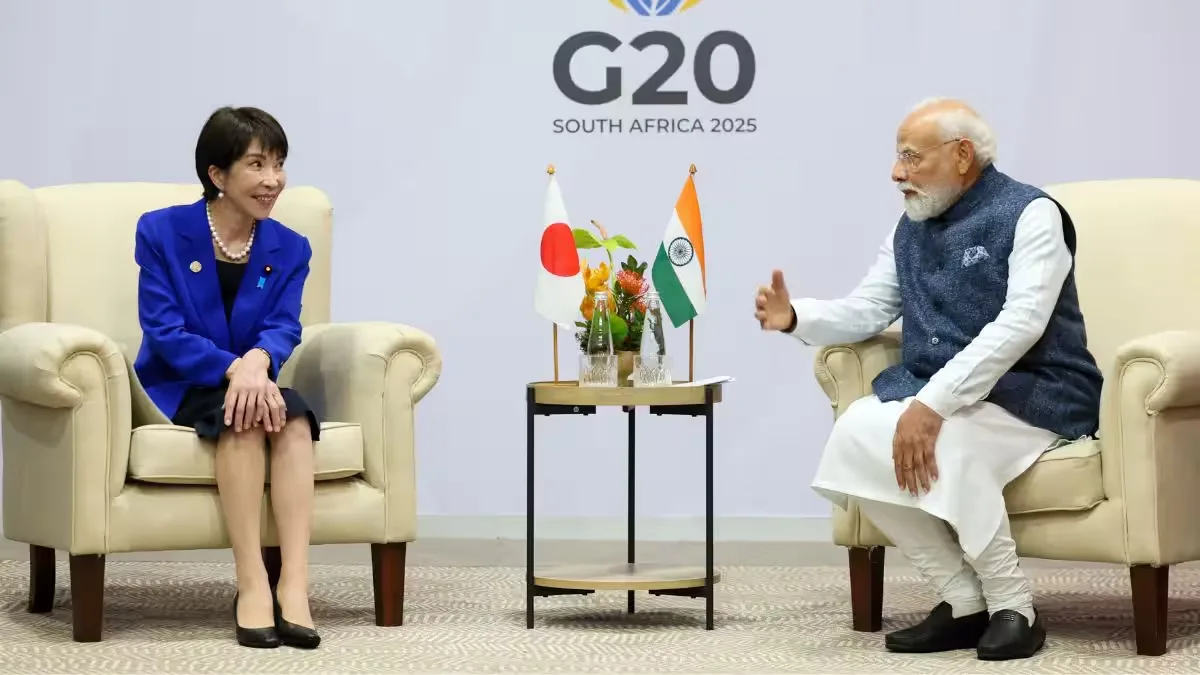
Sanae Takaichi landed in India on July 1 and left on July 3, marking her first official trip to India since becoming Japan's Prime Minister last October. It wasn't a courtesy call. It was the 16th India-Japan Annual Summit, and by the time it wrapped up, both governments had signed a stack of agreements covering everything from AI to biogas plants. A lot happened. Let's slow down and go through it properly.
Why This Actually Matters
Here's the thing people miss when they scroll past headlines like this: the Takaichi India visit isn't just diplomatic theater. It's happening at a moment when China has slapped fresh export controls on around 40 Japanese entities, just days before Takaichi boarded her flight. Relations between Tokyo and Beijing have been tense since her parliamentary remarks last November about Taiwan. So when Japan turns to India right now, it's not random timing. It's strategy.
For everyday people, this matters more than it might seem. Supply chains for semiconductors, rare earths, and critical minerals get shaped by summits like this one. If you've ever wondered why your phone or your car takes longer to arrive, or costs more, decisions made in rooms like the one in New Delhi this week are part of that answer.
What the India Japan Summit Really Is
Think of it like two old friends who've grown apart from a mutual acquaintance and decided to lean on each other more. That's roughly the emotional shape of India Japan relations right now. Japan brings precision manufacturing, capital, and decades of engineering trust. India brings scale, software talent, and a market that's still young and hungry for growth.
The 16th India-Japan Annual Summit isn't a one-off. It's part of an annual rhythm both countries have kept for years, called the Special Strategic and Global Partnership. What made this one different was the sheer density of what got signed, not just talked about.
How It Worked, Step by Step
- Economic security roadmap. Modi and Takaichi agreed on a joint plan to strengthen supply chain resilience in semiconductors, quantum technology, and advanced materials, essentially a shared playbook against economic coercion.
- AI cooperation statement. Both sides announced a joint statement on artificial intelligence, aiming to combine Japan's precision technology with India's software strength. Modi called it something that could give global AI development new momentum, and honestly, that's not a small claim.
- Defence co-development. For the first time, India and Japan signed a joint defence project, involving a naval radio antenna system nicknamed Unicorn. Small detail, big symbolism. Two countries don't co-develop defence tech unless trust runs deep.
- Biogas Initiative. Perhaps the most human part of the whole visit, an India-Japan Biogas Initiative aiming to build 1,000 biogas and organic fertiliser plants across rural India, tied into the existing GobarDhan programme.
- Mobility framework. A Next-Generation Mobility Partnership Framework was also established, covering future transport tech.
- Agreements in pharmaceuticals, medical devices, biotechnology, and maritime security rounded things out.
Each of these wasn't announced in isolation. They came wrapped into a single, coordinated push, which is unusual. Most summits produce one or two headline deals. This one produced a cluster.
Read More: Keir Starmer to Announce Social Media Ban for Under-16s: What It Could Mean for Millions of Families
Real-World Examples
Picture a village in rural Uttar Pradesh where the Biogas Initiative eventually sets up a plant. That's not abstract policy, that's a farmer with cheaper fuel and better fertiliser access. Or picture a semiconductor startup in Bengaluru that suddenly finds Japanese investment easier to access because of the economic security roadmap. These aren't hypothetical, they're the direct, traceable outcomes of what the Modi Takaichi meeting set in motion.
Mistakes People Keep Making When Reading This News
A lot of readers assume summits like this are just photo opportunities. No, that's not quite right, let me rephrase that. Some parts genuinely are ceremonial. But dismissing the whole visit as symbolism misses the actual agreements signed, the ones with budgets, timelines, and named frameworks attached. Another common mistake is reading this purely through an anti-China lens. Yes, the China tension is real context. But India and Japan have been building this relationship steadily for over a decade, long before the current friction.
Pro Tips for Understanding India Japan Ties Going Forward
If you want to actually follow where this Indo-Pacific strategy heads next, watch three things quietly: whether the AI cooperation initiative produces actual joint products within the next year, whether the defence co-development expands beyond the Unicorn antenna project, and whether Japanese business delegations, over 150 executives reportedly traveled with Takaichi, translate into real factory investments rather than just MOUs sitting in drawers somewhere.
Closing Thoughts
There's something quietly telling about a Japanese Prime Minister choosing India as her first major bilateral destination outside the usual Western circuit. It says where she believes the next decade of global weight is shifting. Whether that bet pays off depends less on this one visit and more on what both governments actually build in the quiet months after the cameras leave. For now, the Takaichi India visit has given both countries a fairly detailed to-do list. What happens next is the part worth watching.
Disclaimer: This article is based on information available across the web. Parchar Manch does not take responsibility for its complete accuracy, as the content could not be fully verified.
FAQs
What was the main purpose of the Takaichi India visit?
To deepen the India-Japan Special Strategic and Global Partnership through agreements on economic security, AI, defence, and clean energy, while advancing the 16th India-Japan Annual Summit.
When did Sanae Takaichi visit India?
From July 1 to July 3, 2026, her first official trip to India as Japan's Prime Minister.
What agreements were signed during the India Japan summit?
Pacts covering economic security, artificial intelligence, defence co-development (the Unicorn naval radio antenna project), pharmaceuticals, biotechnology, maritime security, and the new India-Japan Biogas Initiative.
Why is China relevant to this visit?
Japan-China relations have been strained since Takaichi's remarks on Taiwan, and China recently imposed export controls on around 40 Japanese entities, adding urgency to Japan's outreach toward India.
What is the India-Japan Biogas Initiative?
A plan to build 1,000 biogas and organic fertiliser plants across India, supporting the government's GobarDhan programme and rural sustainability.
Will this visit affect ordinary people?
Yes, through supply chain stability for electronics and semiconductors, rural energy access via the biogas plants, and long-term technology and job opportunities from AI and defence collaboration.