The US-Iran War Deal Explained: What It Says, What It Means, and Why It Is Not Over Yet
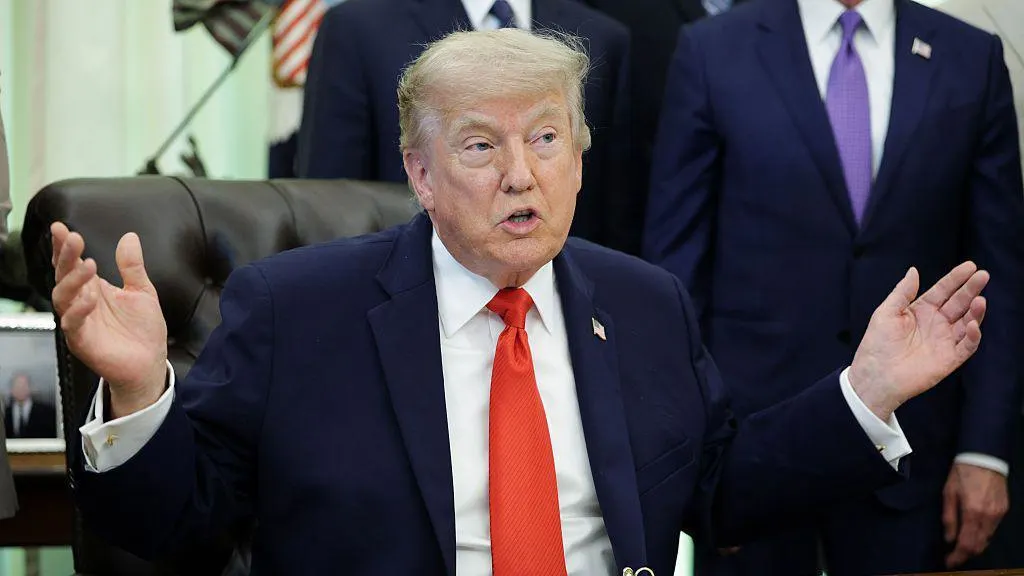
Something shifted on a Sunday evening in June 2026. President Donald Trump posted two words on Truth Social: "Let the oil flow!" And just like that, more than 100 days of war between the United States and Iran began moving toward an end.
The US-Iran peace deal is not a small diplomatic footnote. It is one of the most consequential agreements in recent geopolitical history, touching energy markets, nuclear security, regional stability, and the lives of millions across the Middle East. If you have been trying to follow the news and felt the story was too complicated to track, this is the piece that clears it all up.
Why the US-Iran War Deal Matters to Everyone, Not Just Diplomats
Most people assumed the Iran conflict was a distant story. It was not.
With Hormuz tanker traffic restricted, cumulative supply losses from Gulf producers exceeded 1 billion barrels, with more than 14 million barrels per day of oil shut in an unprecedented supply shock. That disruption drove crude oil prices toward historic highs and contributed directly to inflation felt in countries thousands of miles from the battlefield.
The Strait of Hormuz, a narrow waterway through which roughly 20 percent of the world's daily oil supply flows, became a chokepoint for the global economy. Ships could not move freely. Energy costs surged. And governments from London to Tokyo scrambled to find alternative supply routes.
The deal changes that picture. But understanding what it actually says matters, because the details reveal just how much work remains.
What the US-Iran Memorandum of Understanding Actually Contains
The agreement signed in Geneva is technically a memorandum of understanding, or MOU. Think of it as a formal letter of intent between two parties who have been fighting. It sets the terms of a ceasefire and a framework for a final peace deal to be negotiated within 60 days.
By signing the MOU, both sides declared the immediate and permanent termination of military operations on all fronts, including in Lebanon, and committed to refrain from the threat or use of force against each other.
The key commitments on each side break down clearly. The United States agreed to begin removing its naval blockade of Iranian ports immediately and to complete the removal within 30 days. It also issued waivers for the export of Iranian crude oil, petroleum products, and associated services including banking and insurance. Frozen Iranian assets were to be made available for use.
Iran, for its part, committed to making arrangements for the safe passage of commercial vessels through the Persian Gulf to the Sea of Oman, with traffic set to resume immediately while technical and military obstacles including demining are addressed.
On the nuclear question, the agreement asserts that Iran can never develop a nuclear weapon, and commits both sides to addressing Iran's existing stockpile of enriched material, with down blending on site under IAEA supervision as the minimum methodology.
Read More: Nvidia RTX Spark Superchip: The Bold Move That Could Reinvent Your Next PC Forever
How the War Started and What Led to the Deal
The road to this agreement was brutal. On 28 February 2026, Israel and the United States launched airstrikes against Iran, killing its supreme leader and destroying a large number of military and government targets. Iran responded by restricting the Strait of Hormuz, triggering the worst global energy supply shock since the 1970s.
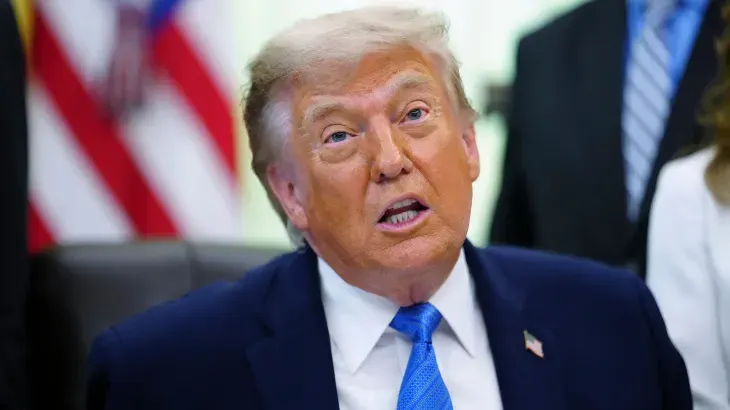
Months of failed negotiations, ceasefire violations, and diplomatic back-channeling followed. Pakistan played a key mediation role. Qatar's negotiators spent 17 hours in intensive talks in Tehran before the preliminary agreement was reached. The Lebanese government and Hezbollah had not made public comments on the agreement, even as Israel continued targeting Hezbollah positions in Beirut's southern suburbs.
The Lebanon question remains one of the most unresolved pieces of the puzzle.
What Remains Fragile and Why Experts Are Cautious
The Atlantic Council's Iran experts were measured in their reaction. An MOU without any follow-on deal will be volatile and impossible to sustain on its own. There must be a further understanding regarding the Strait of Hormuz to ensure the resumption of maritime commerce, or else the United States could easily slip back into war with Iran.
The 60-day window for a final deal is tight. Israel has declared it does not consider itself bound by the Lebanon provisions. Hezbollah has not formally stood down. And Iran's nuclear stockpile remains a live issue pending IAEA-supervised resolution.
There is a possibility that this ceasefire could pave the way for a more permanent deal, but it is more likely a temporary and fragile understanding that will, in the best-case scenario, prevent renewed war through the end of this administration.
Read More: Manoj Bajpayee Calls Ramayana and Varanasi Budget Hype a "PR Tactic" , And He Has a Point
The Immediate Economic Impact
Markets moved fast. Stocks rallied with the S&P 500 up 1.9 percent, and oil prices dropped by almost 5 percent within hours of the announcement. Brent crude fell toward $78 per barrel. The geopolitical risk premium that had kept energy prices elevated for months began to deflate.
For oil-importing nations like India, the implications are significant. Lower crude oil prices ease pressure on currency, reduce fuel costs, and slow energy-driven inflation. The benefits will not arrive overnight, but the direction of travel has changed.
What Happens in the Next 60 Days
The MOU gives both sides two months to negotiate a final agreement. The core unresolved issues include Iran's uranium enrichment program, the precise terms of sanctions relief, the future of US military presence near Iran, and the Lebanon-Hezbollah question that Israel refuses to accept.
US Vice President JD Vance said the deal was a "new leaf" but added, "I am not going to say that everybody is going to sing kumbaya tomorrow. It is going to take a little bit of time to learn the ways of peace."
That sentence, in many ways, sums up where things stand. A genuine breakthrough. But not an ending. The next chapter of this story will be written in the negotiating rooms, not on social media.
Disclaimer: This article is based on information available across the web. Parchar Manch does not take responsibility for its complete accuracy, as the content could not be fully verified.
FAQs
What is the US-Iran MOU and how is it different from a peace treaty?
An MOU is a preliminary agreement that sets the framework for a final deal. It is legally binding in intent but requires a full treaty to be fully enforceable. The 60-day window is the period for negotiating that final agreement.
Is the Strait of Hormuz fully open now?
Not yet. The deal requires demining of shipping lanes and a phased restoration of traffic. Iran committed to best efforts for safe passage, but a full return to pre-war shipping volumes will take weeks to months.
What does Iran get from this deal?
Iran receives the lifting of the US naval blockade, oil export waivers, and access to previously frozen assets. These are substantial economic concessions in exchange for the ceasefire and nuclear commitments.
Does Israel have to follow the deal?
Israel was not a direct signatory. Israeli leadership has publicly stated it does not consider itself bound by the Lebanon provisions, which creates ongoing tension within the broader agreement framework.
Can the deal collapse?
Yes. Multiple experts have warned it is fragile. If the final 60-day negotiations break down, or if Israel and Hezbollah escalate further, the ceasefire could unravel. Both sides have incentives to hold, but the risk of breakdown is real.