Trump Iraqi Prime Minister Meeting: Oil Deals, Iran Pressure, and a New Kind of Alliance
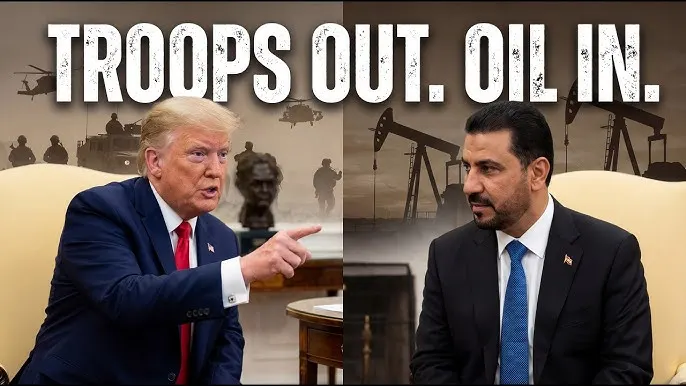
Two businessmen sat across from each other in the Oval Office on Tuesday, and neither of them had spent much of their life in politics before this year. That's the odd little detail that makes the Trump Iraqi Prime Minister meeting worth pausing on, this wasn't the usual diplomatic choreography between two seasoned political operators. It was something a bit stranger, and honestly, a bit more interesting.
Iraqi Prime Minister Ali al-Zaidi arrived at the White House on July 14, 2026, for his very first trip abroad since taking office, and Trump greeted him like an old friend, talking openly about the chemistry between them. Which, given how al-Zaidi actually got the job, is a story in itself.
Why This Meeting Actually Matters Right Now
Here's the part that makes this more than a courtesy visit. The region around Iraq is genuinely unstable at the moment, the US and Iran have tipped back into open conflict, exchanging airstrikes, and tension over the Strait of Hormuz has been escalating for days. Iraq sits right in the middle of that mess, geographically and politically, sharing a long border with Iran and hosting armed groups tied to Tehran.
So when Trump and al-Zaidi sit down together, it's not just about handshakes. It's about whether Iraq tilts further toward Washington's economic orbit, or stays entangled with Iran-backed militias that have already attacked American bases. That choice has real consequences for oil markets, regional stability, and honestly, gas prices back home too, eventually.
Read More: Trump's Iran Deal: The "Final Determination" That Nobody Has Made Yet
What's Really Going On Here, Explained Simply
Think of Iraq as a country trying to walk a tightrope between two very different partners. On one side, the United States, offering investment, oil sector cooperation, and infrastructure deals. On the other, Iran, whose influence runs deep through certain political and armed factions inside Iraq. Al-Zaidi's whole visit was framed around finding balance between those two pulls, security concerns on one side, economic opportunity on the other.
Trump, for his part, made his preference for al-Zaidi clear months before this meeting ever happened. He publicly opposed former Prime Minister Nouri al-Maliki, a candidate widely seen as closely tied to Iran, and threatened to cut off U.S. support entirely if al-Maliki took the premiership. Al-Maliki eventually dropped out of contention in April, clearing the path for al-Zaidi, a consensus candidate with no political resume but plenty of business credentials.
Read More: DK Shivakumar Is Finally Becoming Karnataka Chief Minister: The Wait, The Deal, and What Comes Next
How This Relationship Has Unfolded, Step by Step
- Following last year's Iraqi parliamentary elections, months of deadlock left the country without a clear path to a new prime minister.
- Trump publicly warned that Iraq would have "ZERO chance" of success without U.S. support if al-Maliki became leader, pressure that reportedly helped tip the outcome.
- Al-Maliki withdrew from contention in April, and al-Zaidi emerged as the consensus pick.
- Iraq's government subsequently gave Iran-backed militias until the end of September to disarm, following attacks those groups launched on U.S. bases after the broader US-Israel conflict with Iran began in February.
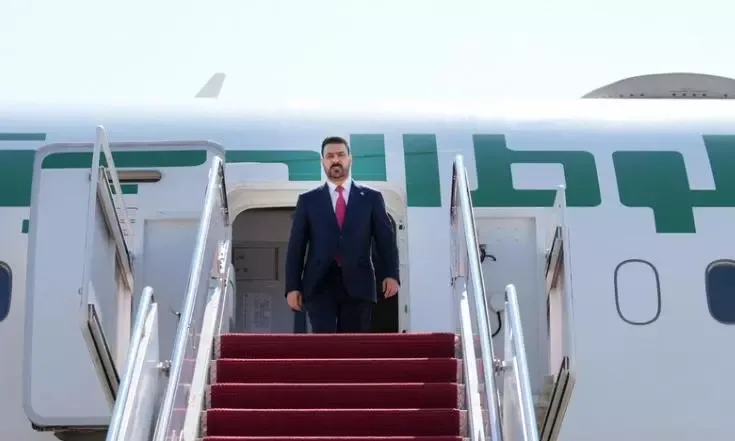
- Al-Zaidi traveled to Washington in July, his first international trip as prime minister, bringing along Iraqi business leaders to push economic cooperation.
- On July 14, the two leaders met in the Oval Office, with Trump publicly praising Iraq's oil potential and promising a wave of upcoming deals.
Read More: CBSE Re-Evaluation Portal 2026: Everything Students Need to Know Before the Deadline Passes
Real-World Examples That Make This Concrete
The clearest sign of where this relationship is actually headed sits in energy infrastructure, not just rhetoric. According to Iraqi officials, an agreement is expected to be signed later this week between Iraq, American companies Chevron and TI Capital, and Qatar's UCC, for a new oil pipeline connecting Basra in southern Iraq to Haditha in the west, and onward to Turkey's Ceyhan port and Syria's Baniyas port. That pipeline alone is projected to carry around 2 million barrels of oil per day, a genuinely massive number that signals how seriously both governments are treating this partnership.
Mistakes People Keep Making When Reading This Story
A common misread is treating this purely as an economic story, oil deals, investment, jobs. It's really a security story wearing an economic outfit. The disarmament deadline for Iran-backed militias, September 30, sits quietly underneath every friendly photo op, and a U.S. official confirmed that Washington's future decisions on Iraq will depend heavily on whether that deadline actually gets met.
Pro Tips for Understanding What Comes Next
Watch what happens after September 30. Some of Iraq's most powerful militias have already signaled they have no intention of disarming, which puts al-Zaidi in a genuinely difficult spot, caught between American expectations and armed groups operating inside his own borders that he may not fully control. Also keep an eye on the pipeline agreement expected to be finalized this week, since infrastructure deals like that tend to outlast whichever political administration signs them.
Closing Thoughts
There's something almost fitting about two businessmen, neither one a career politician, trying to redraw the relationship between their countries around pipelines and investment rather than tanks and troop levels. Whether that actually holds once September's deadline arrives is the real test still waiting on the other side of all this warmth.
Disclaimer: This article is based on information available across the web. Parchar Manch does not take responsibility for its complete accuracy, as the content could not be fully verified.
FAQs
Who is Ali al-Zaidi?
Iraq's new prime minister, a businessman with no prior political background who emerged as a consensus candidate after months of parliamentary deadlock.
When did Trump meet with the Iraqi prime minister?
Tuesday, July 14, 2026, at the White House, marking al-Zaidi's first international trip as prime minister.
What deals came out of the meeting?
A major oil pipeline agreement between Iraq, Chevron, TI Capital, and Qatar's UCC is expected to be signed later in the week.
Why did Trump oppose Nouri al-Maliki?
Trump viewed al-Maliki as too closely aligned with Iran and threatened to cut U.S. support if he became prime minister.
What is the deadline for Iran-backed militias in Iraq?
The Iraqi government has set the end of September 2026 for these groups to disarm.