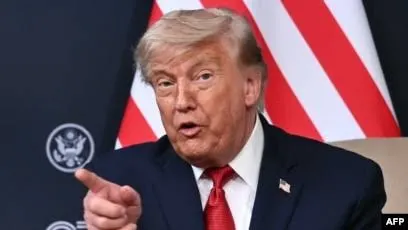
Trump Says US and Iran Are In Talks, So Why Are Bombs Still Falling
Here is the strange part of this story. While diplomats supposedly talk, warplanes keep flying. That contradiction is exactly where we are right now. President Donald Trump says the US and Iran are in talks, even as a US bombing campaign against Iranian targets enters its thirteenth straight night. Two things happening at once, both true, both hard to reconcile. That tension is the whole story.
If you have been half following this on the news, half avoiding it because it feels heavy, this piece will get you fully caught up without the jargon.
Why This Actually Matters to You
You might not live anywhere near the Gulf, but this war is already sitting in your wallet. Global oil prices touched one hundred dollars a barrel this week for the first time in two months, and average gas prices in the United States remain well above four dollars a gallon. Add to that a nearly shut Strait of Hormuz, the narrow waterway that a huge share of the world's oil passes through, and you start to see why a conflict thousands of miles away keeps showing up at your local pump. This is not distant geopolitics anymore. It is your commute, your grocery bill, your flight prices.
What "US and Iran Are In Talks" Actually Means
Let's slow down on that phrase, because it sounds simple but it is doing a lot of work. Trump has said Tehran is "getting more serious," which is his way of signalling that Iran wants an exit path too, just not one it will admit to publicly yet. Meanwhile, the ceasefire that briefly held earlier this month has already collapsed once, after Trump himself declared it "over" following renewed strikes. So when people hear Trump Iran talks, they should not picture a quiet negotiating table. Picture something closer to two boxers circling each other, still swinging, while occasionally shouting that they are open to shaking hands.
Read More: Israel Warns of New Iranian Plot to Assassinate Trump: What We Actually Know So Far
How the Situation Has Unfolded, Step by Step
- A ceasefire agreement was reached in June, built partly around a memorandum on how Iran would down blend its enriched uranium under IAEA supervision.
- That ceasefire crumbled after a fresh exchange of strikes, prompting Trump to declare it dead while still agreeing to continue negotiations Iran had requested.
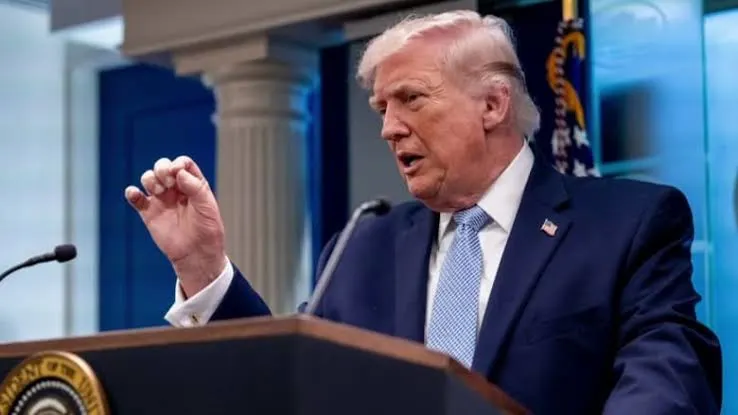
- Iran's foreign ministry publicly denied it had asked for renewed talks at all, creating a strange situation where both governments described the same moment differently.
- The US Iran nuclear deal talks have since stalled on the details of enrichment limits, even though the broader principle, that Iran should not build nuclear weapons, has reportedly been accepted in earlier rounds.
- US strikes on Iranian military targets have continued nightly, with Washington's Central Command releasing footage of hits on facilities.
- Regional actors have been pulled in too. Houthi rebels in Yemen have targeted Saudi tankers in the Red Sea, adding another layer of risk to global shipping routes already strained by the Strait of Hormuz situation.
Read More: Trump's "Mandatory" Demand: Why Saudi Arabia and Qatar Must Now Choose Between Iran and Israel
Real World Examples of the Fallout
Think about an oil trader in Singapore watching prices swing by the hour based on a single Truth Social post from Washington. Or a shipping company rerouting tankers around the Cape of Good Hope instead of the Red Sea, adding weeks and real money to every delivery. Or, closer to home, a family in the American Midwest wondering why filling up the car suddenly costs noticeably more than it did last summer. None of these people are involved in the negotiations. All of them are affected by them.
Mistakes People Keep Making While Following This Story
The biggest one is treating "talks" as proof that the war is winding down. It is not, at least not automatically. Diplomatic talks and active military strikes are running on parallel tracks right now, not sequential ones. Another common mistake is assuming Iran and the US agree on basic facts, like whether new talks were even requested. They do not, and that gap matters more than headlines sometimes suggest.
Read More: Trump's Iran Deal: The "Final Determination" That Nobody Has Made Yet
Pro Tips for Actually Understanding This Conflict
Watch what US officials at the United Nations say, not just what Trump posts. Deputy US Representative Tammy Bruce has stated Washington still prefers a diplomatic solution while holding Iran accountable, which is a more measured signal than a single social media line. Also, track oil prices and Strait of Hormuz shipping traffic as quiet indicators. When traffic through that strait falls sharply, as it has since early July, it tells you more about how seriously both sides are preparing for escalation than any press statement does.
Closing Thoughts
There is something almost familiar about this pattern by now. A ceasefire, a collapse, a fresh round of talks, another collapse. Somewhere inside that cycle, real people are deciding whether this ends at a negotiating table or somewhere far worse. Trump's insistence that Tehran is getting more serious might be true. It might also be the kind of hopeful framing leaders reach for when they need the public to believe an exit exists. Probably both, honestly.
FAQs
Are the US and Iran actually negotiating right now?
Yes, according to Trump, though Iran's foreign ministry has publicly disputed some claims about who requested the latest round of talks.
Why did the ceasefire between US and Iran collapse?
A fresh exchange of strikes in early July led Trump to declare the ceasefire "over," even as both sides agreed to keep talking.
How is this affecting oil and gas prices?
Global oil prices briefly crossed one hundred dollars a barrel this week, and US gas prices remain above four dollars a gallon, largely due to Strait of Hormuz disruptions.
What is the Strait of Hormuz and why does it matter here?
It is a narrow shipping route through which a large portion of the world's oil passes. Reduced traffic through it signals rising tension and pushes global prices up.
Could this end diplomatically, or is military escalation more likely now?
Trump has said the exit could come either diplomatically or militarily. Both remain live possibilities as of late July 2026.