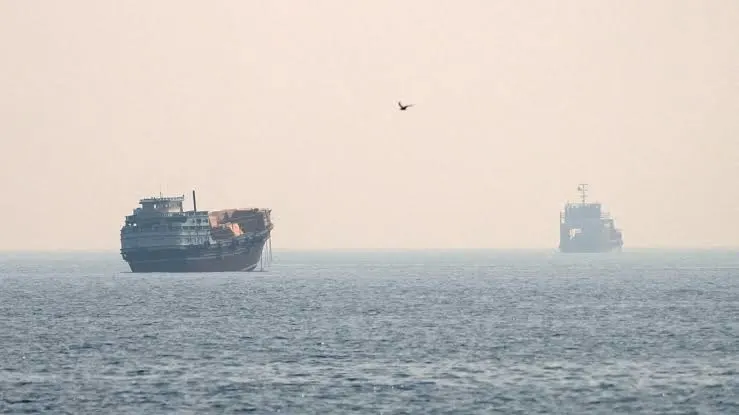
Trump Strait of Hormuz Fee U-Turn: Why the 20% Toll Lasted Barely a Day
It's kind of remarkable, honestly, how fast this one moved. Monday, a brand new 20% charge on ships gets announced like it's settled policy. By Tuesday morning, it's gone, replaced with something entirely different. If you blinked, you might have missed the whole arc of the Strait of Hormuz fee, from birth to burial, in under twenty four hours.
Here's the short version before we slow down and unpack it properly. President Trump proposed that any ship passing through the Strait of Hormuz, the narrow waterway between Iran and the Gulf states through which roughly a fifth of the world's oil and gas flows, would pay the United States a reimbursement fee worth 20% of its cargo's value. Then, a day later, he scrapped it. Not quietly either, he posted about it himself.
Why the Strait of Hormuz Fee Actually Matters to You
You might be thinking, fine, shipping tolls, sounds like something for logistics companies to worry about, not me. Except it isn't, not really. The Strait of Hormuz carries a massive share of global oil and gas. When something threatens to disrupt or tax that flow, even briefly, it touches fuel prices, shipping costs, and eventually the price of things that arrive on container ships, which is most things.
One analyst's math on the original proposal was blunt, freight rates from Shanghai to Dubai could have jumped by roughly 660% compared to before the Iran conflict began. For context, a single large container vessel carrying 10,000 containers would have owed something like $109 million in fees under the plan, an amount most shipping companies simply couldn't absorb.
What the Strait of Hormuz Fee Really Was, Explained Simply
Think of it like a toll booth suddenly appearing on a highway that's always been free, and the toll isn't a flat rate, it's 20% of whatever your truck is carrying. That's roughly the shape of what Trump proposed. The U.S. would position itself as, in his words, a kind of guardian of the strait, providing security and protection for vessels passing through, and in exchange, charge them for it.
The timing wasn't random either. This came right as the U.S. reinstated a naval blockade on Iranian ports, part of an escalating standoff that included several rounds of American airstrikes on Iranian targets and retaliatory attacks from Iran on tankers and nearby countries including Bahrain and Jordan.
How the Reversal Happened, Step by Step
- Monday: Trump announces the U.S. is reestablishing a blockade on Iranian ports and proposes the 20% fee on other ships to cover security costs.
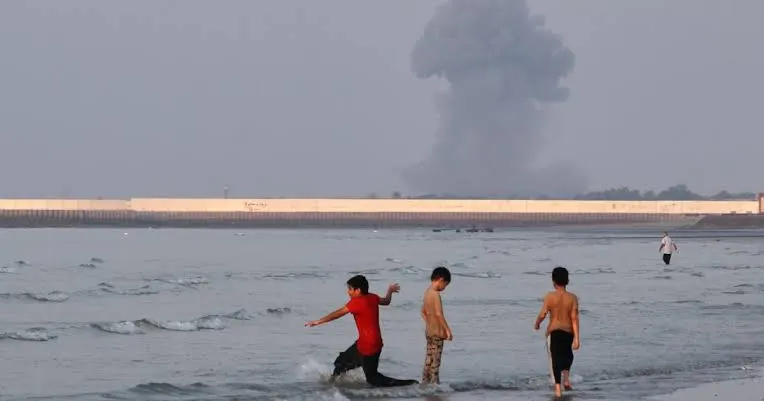
- Same day, the U.S. military strikes several Iranian targets, including areas in Bushehr, Chah Bahar, and Bandar Abbas, part of a fourth consecutive day of exchanges.
- Gulf allies, Saudi Arabia, the UAE, Qatar, and others, reportedly pushed back hard against the fee proposal, arguing it would strangle regional trade.
- Tuesday morning, Trump posts on social media that he's scrapping the 20% United States Reimbursement Fee entirely.
- In its place, he says Gulf states will make direct trade and investment commitments into the U.S. economy instead, calling the coming numbers massive.
- The U.S. naval blockade itself stayed in place, targeting only ships tied to Iranian ports or cargo, while general shipping through the strait remains open.
Real-World Examples That Ground This
Shipping giant Hapag-Lloyd had publicly pushed back on the whole idea before it was scrapped, arguing tolls only make sense for infrastructure like the Suez or Panama Canal, places where someone actually built something to charge for. The Strait of Hormuz, being a natural waterway, doesn't fit that comparison. Meanwhile, in a separate but related move, a Dubai based company is reportedly building a new port and terminal at Fujairah on the UAE's east coast, specifically so cargo can bypass the strait entirely and travel overland instead. That's the kind of quiet, practical hedge businesses build when political tools like the Strait of Hormuz fee suddenly become a real risk.
Mistakes People Keep Making While Following This Story
A common one is assuming this reversal means the tension in the region has cooled. It hasn't. The blockade on Iranian ports remains active, and the exchange of strikes between the U.S. and Iran had continued for several days straight even as the fee itself got dropped. Don't confuse a walked back toll with a resolved conflict, those are two very different things happening at once.
Pro Tips for Making Sense of What Comes Next
Keep an eye on whether the promised Gulf state investments actually materialize, since Saudi Arabia, Qatar, the UAE, and Bahrain had already committed over $2 trillion in U.S. investment before this latest episode, so it's worth watching whether the new pledge is genuinely additional or just repackaged. Also watch how Iran responds diplomatically, since Tehran has argued it has its own right to manage or charge for traffic through the strait, a claim the U.S. firmly disputes.
Closing Thoughts
There's something almost dizzying about watching a major economic policy get proposed and abandoned inside a single news cycle. Whatever comes of the Gulf investment promises, the speed of this reversal says something about how fluid, and frankly improvised, decisions around the Strait of Hormuz have become during this standoff..
FAQs
What was the Strait of Hormuz fee?
A proposed 20% charge on the cargo value of ships passing through the strait, meant to fund U.S. security operations there.
Why did Trump withdraw the fee?
After pushback from Gulf allies, he said Middle Eastern countries would instead make direct trade and investment deals with the U.S.
Is the Strait of Hormuz still open to shipping?
Yes, it remains open to all vessels except those tied to Iranian ports or cargo, which face the reinstated naval blockade.
How much oil passes through the strait?
Roughly a fifth of the world's oil and gas flows through the Strait of Hormuz.
Did the U.S. and Iran conflict end with this reversal?
No, strikes and counterstrikes between the two sides continued even after the fee was dropped.