United States and Iran Agree to Reopen Strait of Hormuz: Why the World Is Watching Closely
Some waterways look small on a map but carry enormous weight in the real world.
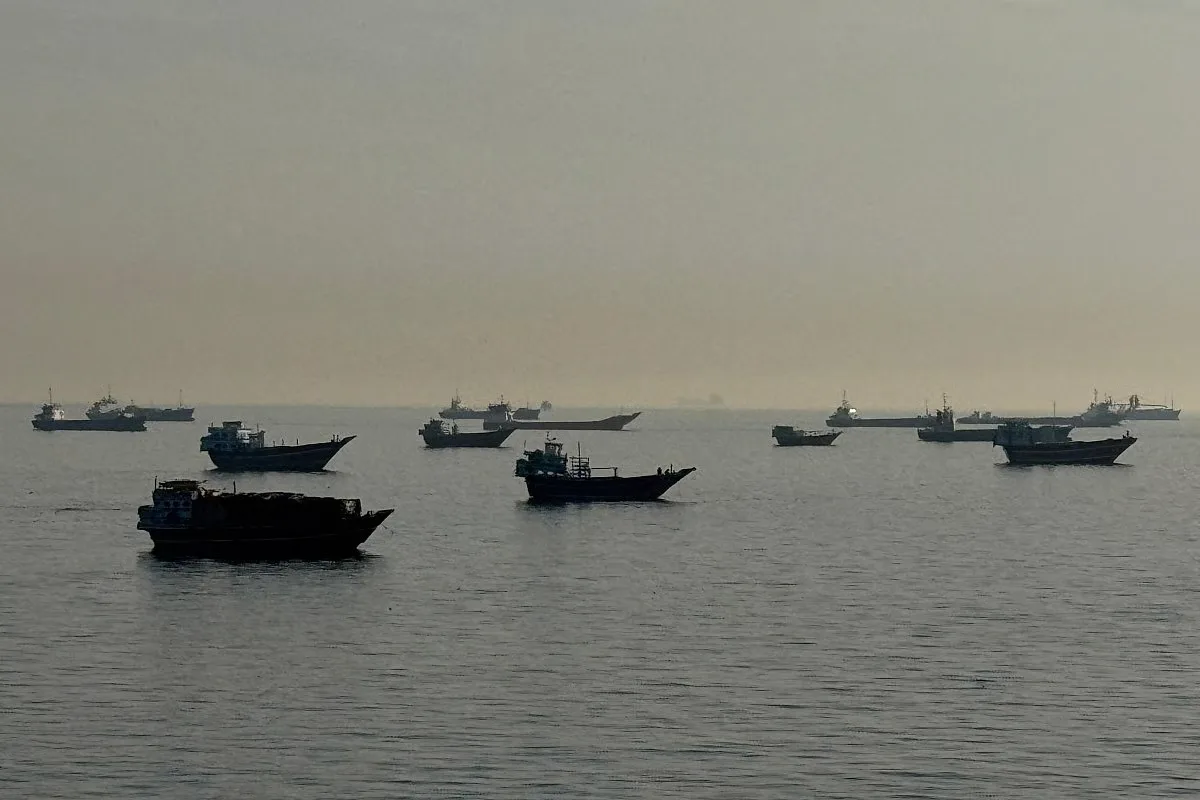
The United States and Iran Agree to Reopen Strait of Hormuz story is one of those moments that immediately captures global attention. The Strait of Hormuz is not just a narrow passage of water. It is one of the most important energy routes on the planet, connecting oil-producing nations in the Gulf to markets across Asia, Europe, and beyond.
When tensions affect this route, fuel prices, trade flows, and economic confidence often feel the impact. That is why reports of an agreement to reopen the Strait of Hormuz have become a major international development.
Why the United States and Iran Agree to Reopen Strait of Hormuz Matters
Most people never see the Strait of Hormuz, yet its influence reaches everyday life.
A significant portion of the world's oil and energy shipments passes through this strategic corridor. When shipping routes face disruptions, concerns about supply shortages often push energy prices higher.
The news that the United States and Iran Agree to Reopen Strait of Hormuz is important because it signals a potential reduction in regional tensions and greater confidence in global energy transportation.
For businesses, governments, and consumers, stability in this region matters.
Read More: Modi at 12: A Decade-Plus of Leading India , What Changed, What Didn't, and What It All Means
What Is the Strait of Hormuz and Why Is It So Important?
Imagine a major highway with only a few lanes connecting entire regions.
That is essentially what the Strait of Hormuz represents for global energy trade.
Located between Iran and Oman, this narrow waterway serves as a critical passage for oil tankers and commercial vessels. Countries throughout the world depend on uninterrupted access to this route.
Because so much trade moves through a relatively small area, any disruption quickly becomes international news.
That is why developments involving the Strait receive such close attention.
How Reopening the Strait of Hormuz Could Impact Global Markets
When a key shipping route becomes more accessible and secure, several effects often follow:
• Energy markets gain confidence.
• Oil transportation becomes more predictable.
• Shipping companies face fewer disruptions.
• Global trade flows improve.
• Investor concerns may ease.
The agreement linked to the United States and Iran Agree to Reopen Strait of Hormuz reports could help reduce uncertainty that often affects financial and commodity markets.
Markets generally respond positively to stability.
Read More: INDIA Bloc's High-Stakes Delhi Meeting: Fault Lines, Five Decisions, and the Long Road to 2029
Real-World Effects on Ordinary People
At first, a maritime agreement thousands of kilometers away may seem unrelated to daily life.
Yet global energy prices influence transportation costs, manufacturing expenses, and inflation levels. When energy markets become volatile, businesses often face higher operating costs that can eventually affect consumers.
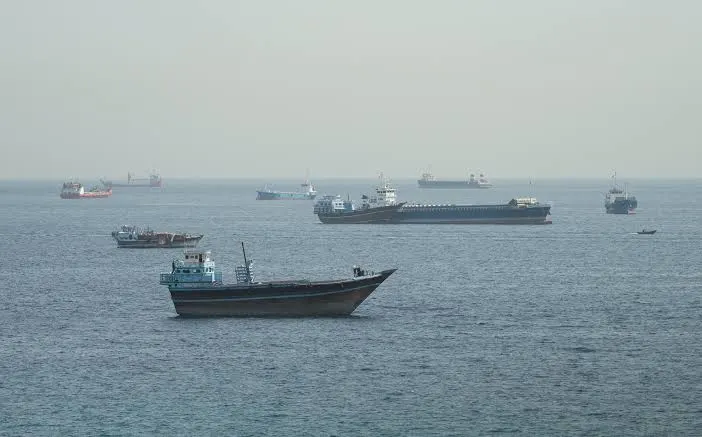
This is why international developments in the Gulf region frequently receive attention from economists and policymakers around the world.
A stable shipping route can have consequences far beyond the region itself.
Common Misunderstandings About the Strait of Hormuz
One common misconception is that the issue only affects oil-producing countries.
In reality, countries that import energy, including major economies in Asia and Europe, closely monitor developments in the Strait because their industries depend on reliable supply chains.
Another misunderstanding is assuming that reopening a route instantly solves every regional challenge.
Diplomatic agreements can reduce tensions, but long-term stability usually requires ongoing cooperation and trust-building efforts.
What Experts Will Watch Next
Analysts will focus on several important developments.
Will commercial shipping activity increase?
Will energy prices stabilize further?
Will broader diplomatic engagement continue between regional and international stakeholders?
These questions matter because lasting stability is often measured by actions that follow announcements.
The agreement is important. What happens next may be even more important.
A Development With Global Consequences
The story that the United States and Iran Agree to Reopen Strait of Hormuz is about more than diplomacy.
It reflects how interconnected the modern world has become. A narrow waterway in one region can influence fuel prices, trade networks, economic confidence, and political discussions across continents.
Sometimes the most significant global stories are not about what happens on land, but about keeping the world's vital connections open and moving.
Read More: India's Current Account Surplus Hit $7.1 Billion in Q4 FY26: What the Numbers Are Really Saying
Disclaimer: This article is based on information available across the web. Parchar Manch does not take responsibility for its complete accuracy, as the content could not be fully verified.
FAQs
What is the Strait of Hormuz?
The Strait of Hormuz is a strategically important waterway connecting the Persian Gulf to international shipping routes.
Why is the Strait of Hormuz important?
A large share of global oil and energy shipments passes through this route, making it crucial for international trade.
How could reopening the Strait affect oil prices?
Greater stability and smoother shipping operations may reduce uncertainty in energy markets and support price stability.
Which countries are most affected by developments in the Strait?
Oil-exporting nations, energy-importing economies, shipping companies, and global markets are all affected.
Does reopening the Strait guarantee long-term stability?
Not necessarily. Long-term stability depends on continued diplomatic engagement and regional cooperation.
Why do investors watch developments in the Strait of Hormuz?
Because disruptions can affect energy prices, trade flows, and overall economic confidence worldwide.