US-Iran Negotiations: Why the World Keeps Holding Its Breath Every Monday Morning
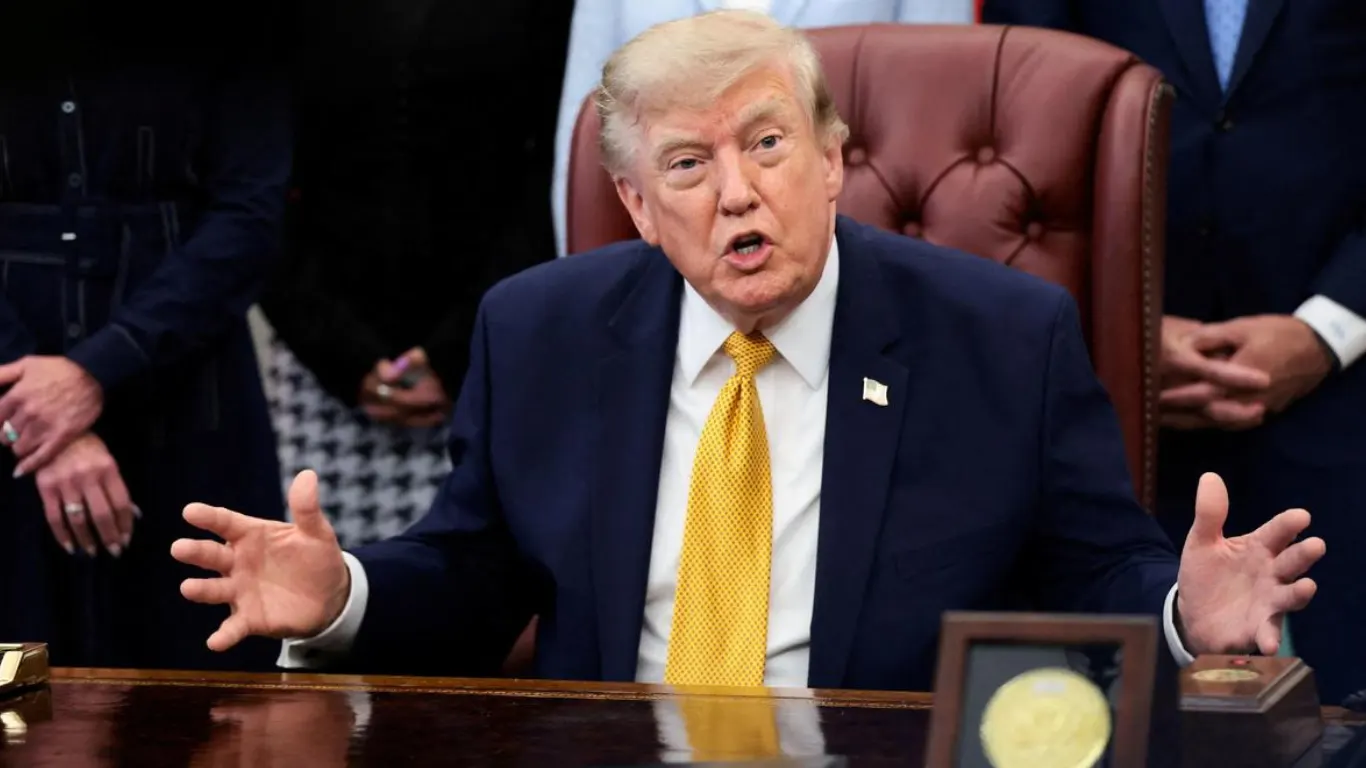
There's a strange rhythm to this story now. A weekend of quiet. Then a Sunday announcement that talks are "imminent." Then a Monday denial from Tehran. Then an angry post from Washington calling someone "duplicitous." Rinse, repeat. If you've been half-following the US-Iran negotiations and feeling confused about whether anything is actually happening, you're not alone. Even seasoned diplomats admit this round of diplomacy has been unusually hard to pin down.
This matters because the stakes here aren't abstract. Oil tankers are being diverted around the entire continent of Africa to dodge the Red Sea. The Strait of Hormuz, a narrow stretch of water that a huge share of the world's oil passes through, has become the single most watched chokepoint on the planet. And underneath all of it sits a much older, much heavier question: will Iran's nuclear program be curbed through a deal, or through more bombs.
Why This Actually Matters To You
Maybe you don't live near the Persian Gulf. Maybe you've never thought about a place called Muscat. Doesn't matter. Fuel prices, airline routes, insurance costs on cargo ships, even the price of the phone in your pocket, all of it brushes up against what happens in these US-Iran talks. When a shipping route gets threatened, markets react within hours. So this isn't just foreign policy trivia. It's the kind of background noise that quietly shapes your grocery bill.
What's Really Going On Here (Explained Simply)
Strip away the noise and the core of the Iran nuclear deal dispute is old and, honestly, kind of simple. The United States wants Iran's uranium enrichment capped well below weapons-grade levels. Iran wants sanctions lifted and, understandably, doesn't want to look like it's negotiating under threat. Neither side wants to be the one that blinks first.
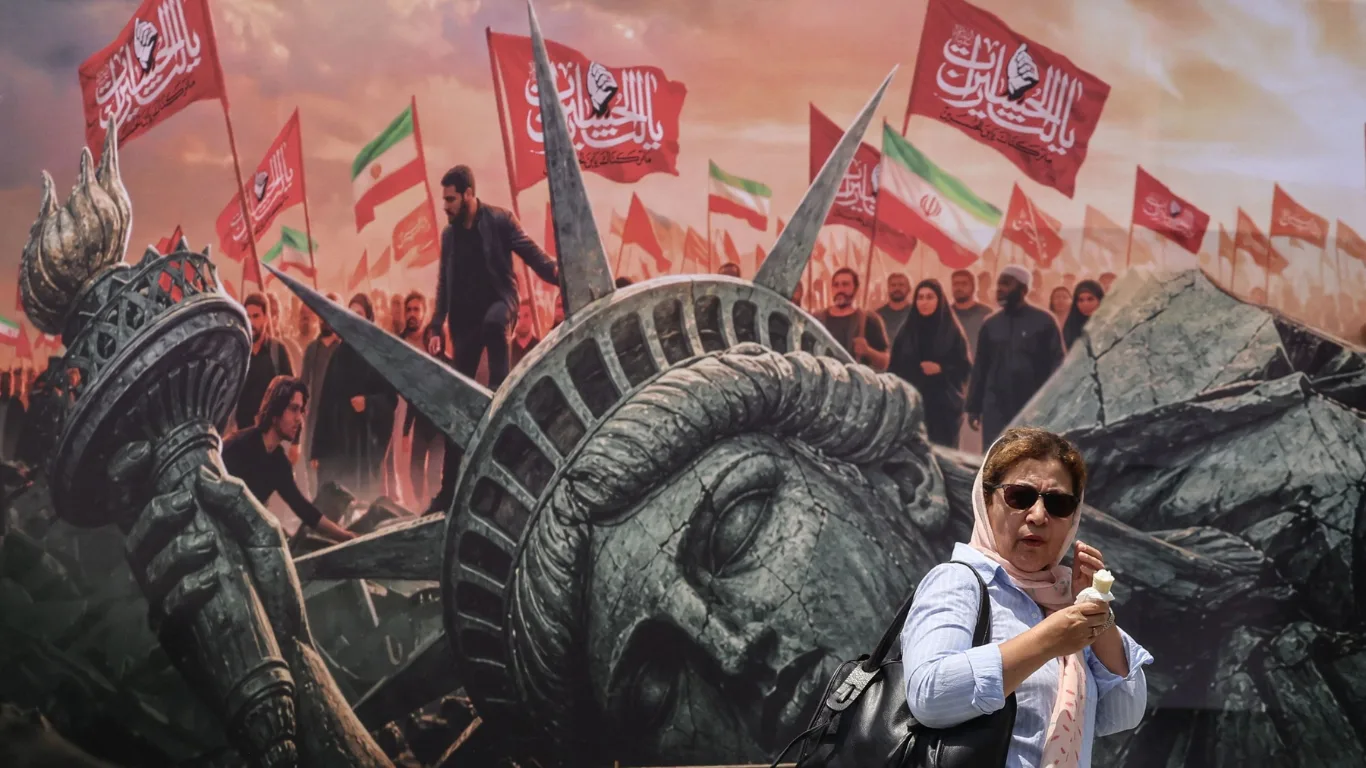
Think of it like two neighbors arguing over a fence, except one neighbor has aircraft carriers parked in the driveway and the other has missiles pointed at the fence line. Diplomacy is the only door that avoids the yard turning into a battlefield again. And it already has, once. The Iran war 2026 started in late February when the US and Israel launched large-scale strikes on Iranian military, government, and infrastructure sites, following the collapse of an earlier round of talks. So no, this isn't theoretical anymore. It already went hot once.
MUST READ: https://www.parcharmanch.com/blog/india-us-trade-deal-2026-trump-slashes-tariffs-on-india-after-modis-russian-oil-pledge
How the Negotiation Process Actually Works, Step by Step
- Back-channel signaling first. Before anyone sits at a table, envoys and foreign ministries test the waters through statements, leaks, and third-party mediators like Oman.
- A mediator hosts the room. Muscat, Geneva, and briefly Islamabad have all played this role because Oman in particular has quietly built trust with both sides over the years.
- Parallel tracks run at once. Right now there are effectively two conversations, one about the Strait of Hormuz shipping route, and a separate, harder one about the nuclear program itself.
- Public denials are part of the choreography. When Iran says "there are no negotiations," it often means no formal direct session, not that contacts have stopped. Reading between these lines is half the job for anyone following this closely.
- A memorandum of understanding sets the frame. Delegations entered talks back in June built around exactly this kind of document, meant to outline a war-ending path even while fighting continued.
Real-World Examples That Make This Click
Picture six Saudi-operated oil tankers rerouting entirely around Africa instead of risking the Red Sea. That's not hypothetical, it happened, and it added weeks to shipping times and real cost to fuel supply chains. Or picture Iran's foreign minister telling state media that talks with Oman over Hormuz are in their "final stages," while, on the very same day, his own ministry spokesperson tells reporters there are no negotiations with Washington at all. Both statements are technically true. That's how layered this has become.
Mistakes People Keep Making When Following This Story
The biggest one, and it's an easy trap, is assuming a denial means the whole thing is dead. It rarely does. Another mistake is treating every "imminent deal" announcement as fact. Announcements of imminent breakthroughs have come and gone for months without a signed agreement, so treat them as a starting point for skepticism, not confirmation. People also forget there are multiple tracks running simultaneously, so progress on shipping routes doesn't automatically mean progress on nuclear enrichment limits, and vice versa.
Pro Tips for Actually Understanding Where This Is Headed
Watch who's speaking, not just what's said. Statements from Oman's foreign ministry tend to be more reliable indicators of real movement than statements from either Washington or Tehran, since Oman has less incentive to spin the narrative for domestic audiences. Also, pay attention to military posture alongside the diplomatic talk. When strikes pause without a public ceasefire announcement, that pause itself is often the real signal.
Closing Thoughts
There's something almost human about watching two exhausted sides circle each other, wanting an exit but neither trusting the other enough to take the first real step. The US-Iran negotiations may drag on through denial after denial, announcement after announcement, and that uncertainty is likely to remain the defining feature of this story for a while yet. Whatever comes next, it won't be neat, and it probably won't happen on the Monday it was first promised.
MUST READ: Microsoft Finally Admits It: Windows 11 Will Let You Remap That Annoying Copilot Key
FAQs
Are the US and Iran currently in direct talks?
As of early August 2026, Washington says talks are underway or resuming, while Iranian officials have repeatedly denied direct negotiations are happening, saying they are focused instead on talks with Oman regarding the Strait of Hormuz.
What caused the 2026 Iran war?
The conflict began in late February 2026 after an earlier round of nuclear negotiations broke down, leading to large-scale joint US-Israeli strikes on Iranian military and infrastructure targets.
Why is the Strait of Hormuz so important in these talks?
A significant share of the world's oil shipments pass through this narrow waterway, making any disruption there a direct threat to global energy prices and shipping stability.
What does Iran want out of a deal?
Primarily the lifting of economic sanctions, along with guarantees that any agreement doesn't look like a forced surrender to military pressure.
What does the United States want?
A firm cap on Iran's uranium enrichment levels, keeping it well short of weapons-grade capacity, alongside a resolution to the wider regional conflict.
Could talks collapse again?
Yes. Given the pattern of announcements followed by denials over the past several months, collapse and revival have both happened multiple times, and neither outcome should be treated as final until an actual signed agreement is confirmed.