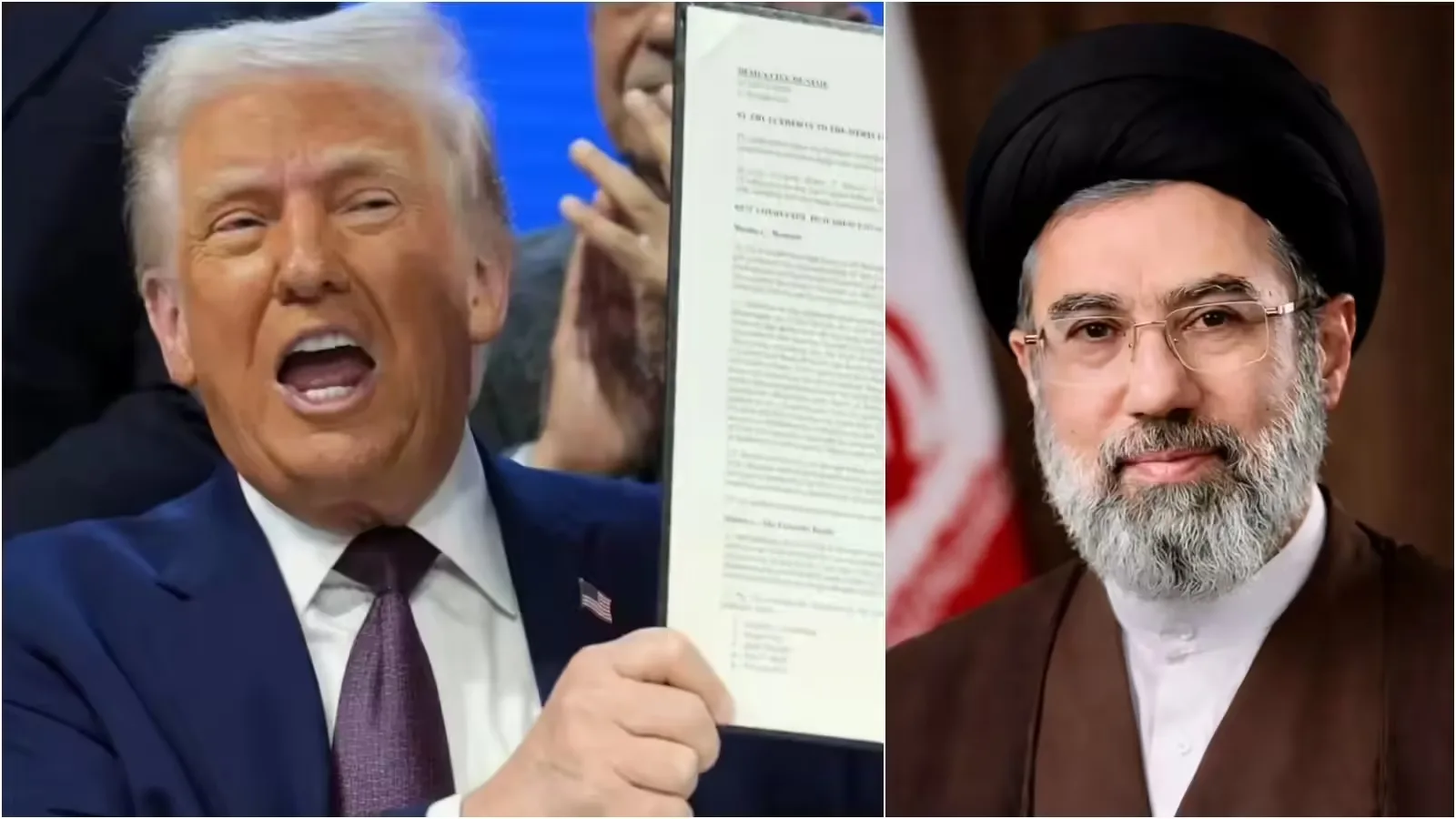
US-Iran Nuclear Talks in Switzerland: What the 60-Day Deal Actually Means and Why the Hard Part Has Not Even Started
The war lasted three and a half months. It killed more than 3,300 Iranians according to state media, shut down one of the world's most critical shipping lanes, and sent oil markets into sharp volatility. And then, on June 14, 2026, the United States and Iran announced something that most analysts had stopped expecting: an initial agreement.
Not a peace deal. Not a nuclear treaty. An agreement to negotiate one.
That distinction matters more than the headlines suggest.
What the US-Iran Memorandum of Understanding Actually Is
The document signed on June 19 in a ceremony facilitated by Pakistan and Qatar is formally called a memorandum of understanding, or MOU. A 14-point framework, it is not a final resolution of anything. Think of it as two parties agreeing to sit down and write the actual contract. The framework itself is the agreement to agree.
What it does accomplish is significant. The US-Iran ceasefire is extended for 60 days. The Strait of Hormuz, which had been closed or severely disrupted since February, begins reopening to commercial shipping immediately. Iran commits to a moratorium on nuclear enrichment during this period. US sanctions relief is tied to inspections. And a High Level Committee, jointly overseen by Pakistan and Qatar as mediators, will provide political oversight while technical working groups negotiate the actual substance.
The 60-day window began on June 19. Within that period, three working groups are expected to address nuclear issues, sanctions, and a monitoring and dispute resolution mechanism. After 60 days, both sides can extend if they mutually agree.
Why the Strait of Hormuz Is the Hinge Everything Else Turns On
Nearly one-fifth of the world's oil and natural gas passes through the Strait of Hormuz every day. When Iran mined the main central route and effectively closed it in early 2026, the ripple effects reached every economy that depends on Gulf energy. Oil prices spiked. LNG shipments stalled. Qatar, which halted LNG production in March after Iranian drone strikes hit its facilities, could not get cargo out to clients for months.
The MOU's most immediate deliverable is reopening that waterway. By June 18, ships were already beginning to pass through alternative northern and southern routes, with Lloyd's List estimating that 550 merchant vessels, including 160 tankers and 200 bulk carriers, needed to prepare to exit the Gulf. The central route still has an estimated 80 mines that need clearing before it is declared fully safe.
Vice President JD Vance was clear: if Iran tries to impose tolls on the strait, there will be no final deal. The Iran nuclear deal framework being negotiated cannot survive if the waterway becomes a revenue tool.
What the Switzerland Talks Were Supposed to Resolve
Technical talks on Iran's nuclear program were scheduled to begin in Switzerland. They were postponed on June 18. Vance's trip was called off at short notice, with the White House describing the logistics as never simple or predictable. Switzerland said it remained ready to facilitate. As of June 21, talks had concluded a first overnight round that mediators called positive and constructive, with technical work continuing through the week.
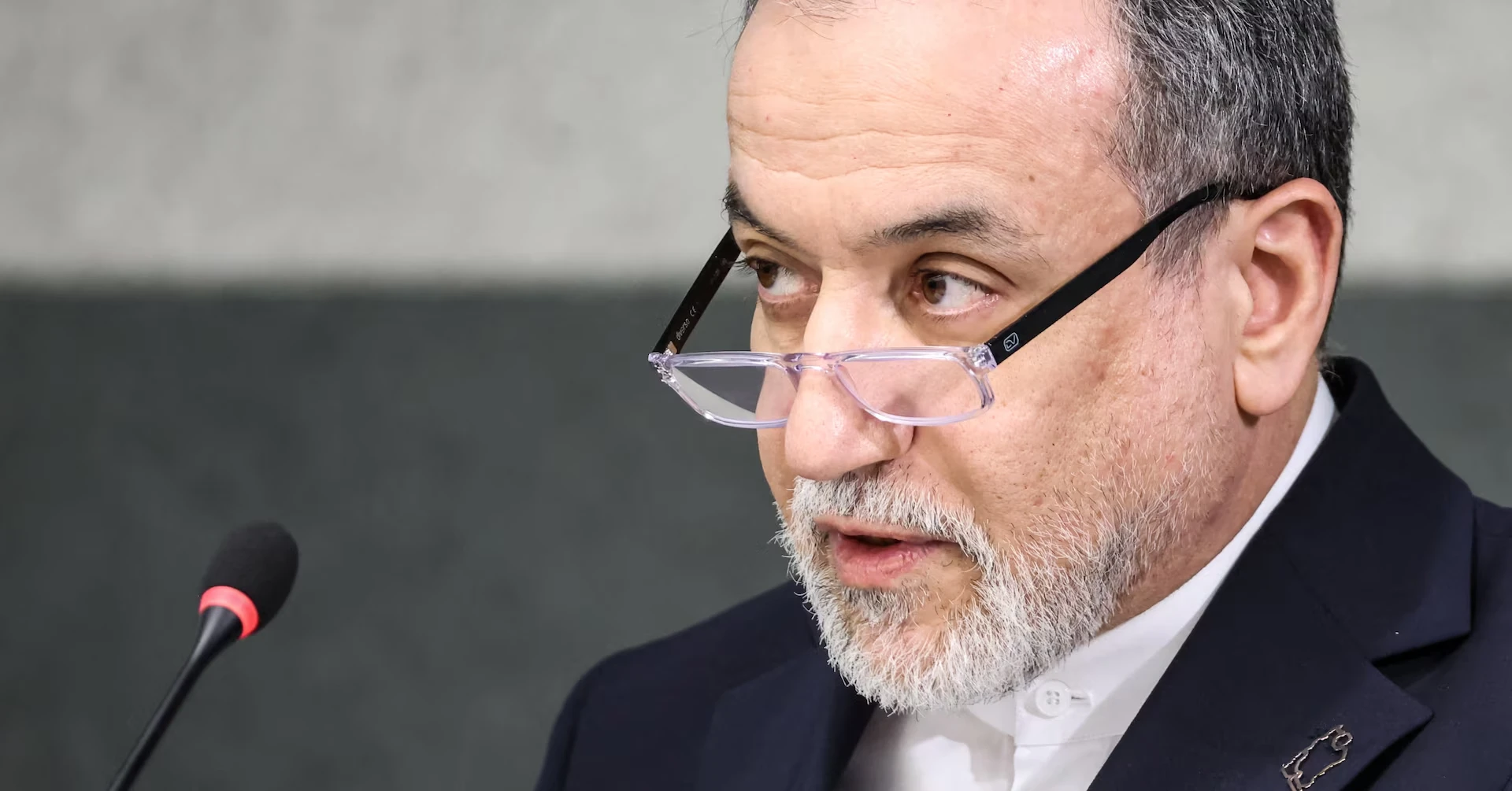
The nuclear question is the hardest part. The US is reportedly pushing for Iran to pause enrichment for 20 years. Iran reportedly will not go above 10. The MOU states Iran shall not procure or develop nuclear weapons, the same language that appeared in the 2015 JCPOA. Trump told the New York Times that Iran would be permitted low-level nuclear enrichment, a position that immediately generated concern in Israel and among non-proliferation analysts.
The Iran nuclear program contains highly enriched uranium stockpiles, ballistic missiles, and a network of non-state allies across the Middle East , none of which are addressed in the current MOU text. Vance said the deal would lead to the destruction of enriched material. Iran's foreign minister said sanctions on oil had been waived and frozen assets released. A major reconstruction and development plan for Iran was described as launched. Washington was also considering redirecting Iranian frozen assets worth $24 billion to Gulf states for reconstruction costs.
What the Deal Does Not Include
The Iranian ballistic missile programme. The network of Iranian-backed non-state actors, including Hezbollah. The Lebanon ceasefire, which remained contested even as the MOU was being signed, with Israel continuing strikes in southern Lebanon and four of its soldiers killed in fighting there. These are not peripheral issues. They are precisely what created the regional conditions that made this war possible.
The MOU's architects were Steve Witkoff and Jared Kushner, described by NPR as a property developer and the president's son-in-law. One Iranian diplomat told NPR, anonymously, that the Americans at the table did not understand the technical subject matter of nuclear negotiations. The JCPOA, by comparison, was negotiated over years by nuclear physicists and non-proliferation specialists from six nations and ran to 159 pages.
Read More: Ebola Is Back and Spreading Fast: Everything You Need to Know About the 2026 Outbreak
Closing Thoughts
The agreement is real. The Strait of Hormuz is beginning to reopen. Oil prices, which spiked after Trump threatened to resume bombing and "take over" the strait if a deal was not reached, have already begun to respond. The immediate human and economic relief is genuine.
But the 60-day clock is now running on questions that have resisted resolution for decades: How much enrichment does Iran keep? Who verifies it? What happens to the stockpile? Those are not questions that resolve cleanly. The MOU is the beginning of the hard part, not the end of it.
Disclaimer: This article is based on information available across the web. Parchar Manch does not take responsibility for its complete accuracy, as the content could not be fully verified.
FAQs
What is the US-Iran MOU signed in June 2026?
It is a 14-point memorandum of understanding, not a final peace deal, that extends the US-Iran ceasefire by 60 days, reopens the Strait of Hormuz to shipping, and sets up a framework for negotiations on Iran's nuclear programme and sanctions relief.
Is the Strait of Hormuz open again after the US-Iran deal?
Partially. Alternative northern and southern routes through Iranian and Omani waters are open. The main central route still has an estimated 80 mines that need to be cleared before it is fully safe for commercial traffic.
What is the main disagreement over Iran's nuclear programme?
The US reportedly wants Iran to pause nuclear enrichment for 20 years. Iran is reportedly willing to agree to no more than 10 years. Iran's ballistic missile programme and its highly enriched uranium stockpiles also remain unresolved in the current framework.
Who mediated the US-Iran deal?
Pakistan and Qatar served as the primary mediators. Qatari Prime Minister Sheikh Mohammed bin Abdulrahman Al Thani and Pakistani Prime Minister Shehbaz Sharif were both instrumental in facilitating the agreement. Pakistan's Field Marshal Asim Munir also played a significant role.
Why were the Switzerland nuclear talks postponed?
Vice President JD Vance's trip to Switzerland was called off on June 18, just days after the MOU was signed. The White House cited unpredictable logistics. Switzerland confirmed postponement but said it remained ready to host. Talks resumed on June 21, with mediators describing the first overnight session as constructive.
Does the Iran deal affect India?
Yes. India depends heavily on Gulf energy routes, particularly the Strait of Hormuz, for oil imports and trade. The reopening of the waterway and stabilisation of oil prices directly benefit India's import bills. Additionally, India-Pakistan dynamics have a secondary relevance given Pakistan's elevated mediating role in the Iran-US process.