VB-G RAM G Scheme Explained: How India's New Rural Job Guarantee Just Replaced MGNREGA
Something quietly massive happened in rural India this week. The VB-G RAM G scheme came into force nationwide on July 1, and it doesn't just tweak an old rural jobs programme, it replaces one that's run the country's villages for twenty years.
Why The VB-G RAM G Scheme Actually Matters
For two decades, MGNREGA was the safety net for rural households needing paid work close to home. It guaranteed 100 days of work a year. Now the VB-G RAM G scheme pushes that to 125 days, a full statutory entitlement, not a special exception for drought years. As an MGNREGA replacement, it changes real numbers on real paychecks starting now.
Read More: India's Current Account Surplus Hit $7.1 Billion in Q4 FY26: What the Numbers Are Really Saying
What The VB-G RAM G Scheme Really Is
Think of it as the MGNREGA replacement, not its cousin. The full name is the Viksit Bharat, Guarantee for Rozgar and Ajeevika Mission Gramin, which is where the acronym comes from. In plain terms, it's a rural employment guarantee law that promises paid work to eligible rural households, with the government stepping in when private work isn't available. This MGNREGA replacement keeps the basic idea, guaranteed wage work, but rebuilds the mechanics around it.
How The VB-G RAM G Scheme Works, Step By Step
- Every eligible rural household can now claim 125 days of guaranteed wage employment annually, up from 100, the core of this 125 days guaranteed employment promise.
- National average wage has risen over 10 percent, to Rs 327.4 a day, with no state paying below Rs 300.
- States can pause work up to 60 days during sowing and harvest, so farm labour isn't pulled away when needed most.
- Funding now follows Centre-State cost sharing instead of MGNREGA's fully Centre-funded wages, shifting more fiscal weight onto states.
- The Centre has released Rs 95,692.31 crore to states for a seamless transition.
Real-World Examples Of What This Looks Like
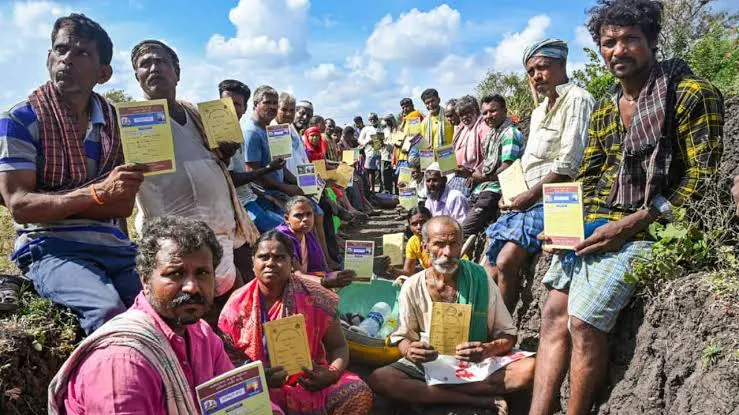
The national launch is on July 2 at Mukkavaripalle village, Tirupati district, with Union Minister Shivraj Singh Chouhan and Chief Minister Chandrababu Naidu attending. Beneficiary households get Rural Employment Guarantee Cards on the spot, alongside the rollout of the software platform powering this Viksit Bharat rural employment push.
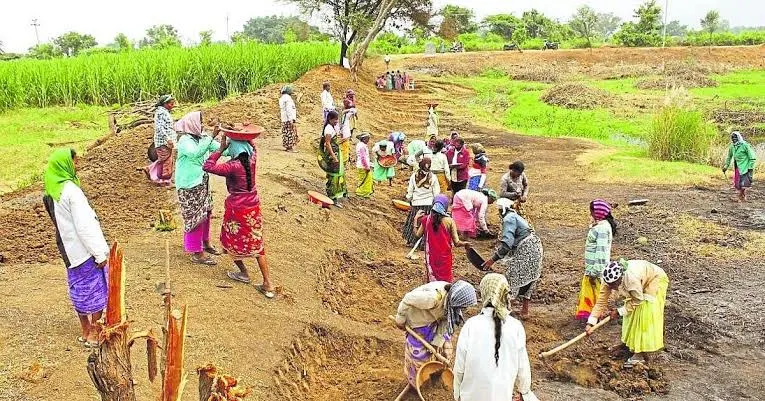
States like Uttar Pradesh, Bihar and Jharkhand have seen wage jumps of 15 to 25 percent, which for a daily wage worker is an extra meal or a school fee paid on time.
Mistakes People Keep Making With Rural Job Schemes
The biggest mistake under MGNREGA was assuming guaranteed work meant guaranteed completion. Only 7.61 percent of households finished the full 100 days last year, and misappropriation touched Rs 193.67 crore. The VB-G RAM G scheme tries to fix this with tighter digital monitoring, but the lesson stays the same: track your job card, verify wage payments weekly, and don't assume the 125 days guaranteed employment arrives without you checking.
Pro Tips That Actually Help
Register early for your card at the July rollout events across states. Weekly wage payments, new under this scheme, mean less waiting than MGNREGA's 15-day cycle. Track your bank credits closely so your 125 days guaranteed employment actually reaches your account on time.
Closing Thoughts
Twenty years is a long time for any law to run unchanged, and MGNREGA had genuinely reshaped rural India before this. Whether this Viksit Bharat rural employment overhaul delivers on its bigger promises, only the next few harvests will really tell us.
Read More: A Judge Just Killed Trump's $100,000 H-1B Visa Fee , Here Is What That Actually Means
Disclaimer: This article is based on information available across the web. Parchar Manch does not take responsibility for its complete accuracy, as the content could not be fully verified.
FAQs
What is the VB-G RAM G scheme?
It's India's new rural employment law, replacing MGNREGA, guaranteeing 125 days of paid work per eligible household annually.
When did the VB-G RAM G scheme come into effect?
It came into force nationwide on July 1, 2026, with the national launch event on July 2 in Tirupati, Andhra Pradesh.
How is this different from MGNREGA's rural employment guarantee?
Guaranteed days rose from 100 to 125, wages increased over 10 percent, and funding now involves Centre-State cost sharing instead of full central funding.
Does the Viksit Bharat rural employment law affect farm labour availability?
States can pause work for up to 60 days during sowing and harvest to protect farm labour supply.
What is the minimum wage under the scheme?
No state can pay below Rs 300 a day, with the national average now at Rs 327.4.