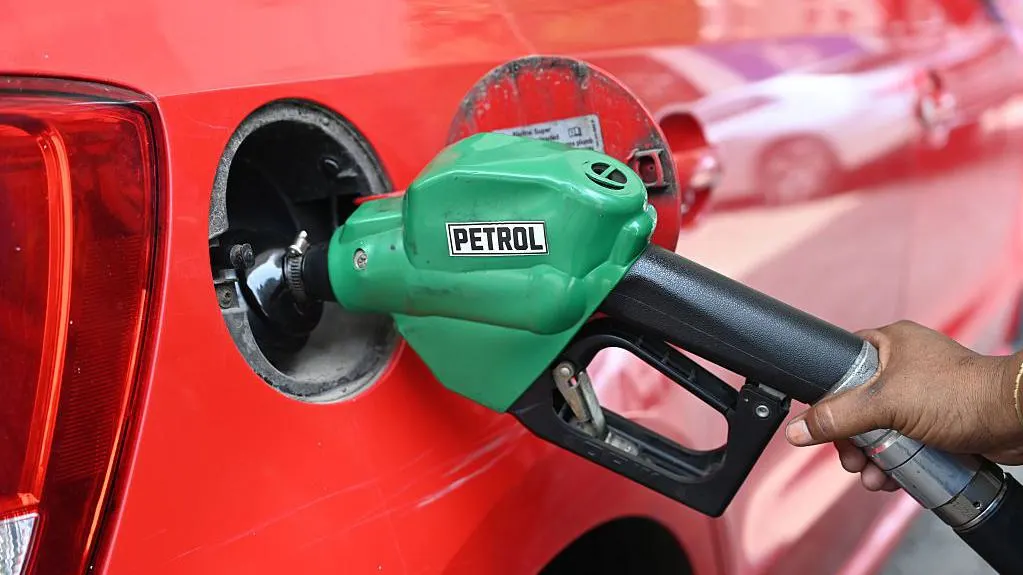
Why Oil Prices Are Falling After the US-Iran Peace Deal — And What It Means for You
Oil prices drop sharply as the United States and Iran sign a ceasefire agreement and framework deal. Here is what happened, why it matters, and what comes next.
The Moment the Markets Reacted: US-Iran Sign a Framework Deal
Something shifted in global energy markets this week. Not slowly. All at once.
The United States and Iran signed a peace framework agreement, signaling a potential end to one of the most consequential geopolitical standoffs affecting the global crude oil supply. The immediate response from markets was decisive: Brent crude oil prices fell over 5 percent, dropping toward the $78 per barrel range. WTI crude also tumbled sharply, hitting a three-month low.
This is not just a headline. For anyone who pays for fuel, buys groceries, or watches inflation numbers, this development has real consequences.
Why the Strait of Hormuz Is at the Heart of This
To understand the price drop, you need to know one thing: the Strait of Hormuz.
Imagine a narrow channel of water, roughly 33 kilometers wide at its tightest point, sitting between Iran and Oman. About 20 percent of the world's oil supply passes through it every day. Tankers carrying crude from Saudi Arabia, Iraq, the UAE, and Kuwait all use this route to reach global markets.
When tensions between the US and Iran escalated in recent weeks, Iran effectively restricted or threatened passage through the Strait. That fear of supply disruption pushed oil prices sharply higher. Traders priced in the risk. Markets panicked quietly.
Now, under the terms of the new agreement, Iran has agreed to reopen the Strait of Hormuz and is allowed to sell oil freely on international markets. That changes the supply picture dramatically.
What the Deal Actually Says
Under the US-Iran framework pact, Iran will halt any interference with oil tanker traffic through the Strait. In exchange, the agreement signals a broader diplomatic de-escalation between Washington and Tehran, with President Trump reportedly stating he did not want to see an economic catastrophe unfold.
Goldman Sachs has already cut its 2026 and 2027 oil price forecasts following the deal. The Economist noted that despite the agreement, oil prices may remain elevated for months due to global inventory depletion caused by the disruption period. The full normalization of Iranian oil exports back into global supply chains takes time.
So the price drop is real, but it may not be the whole story yet.
How This Affects Everyday Life
Crude oil prices are the upstream cost for almost everything. When they fall, the downstream effects eventually reach consumers, though with a lag.
For India, which imports roughly 85 percent of its oil, cheaper crude is significant. A sustained fall in global oil prices eases pressure on the import bill, supports the rupee, and can reduce inflation across fuel, transport, and food. Consumer goods companies, especially those dependent on petroleum-based inputs like plastics and packaging, also benefit.
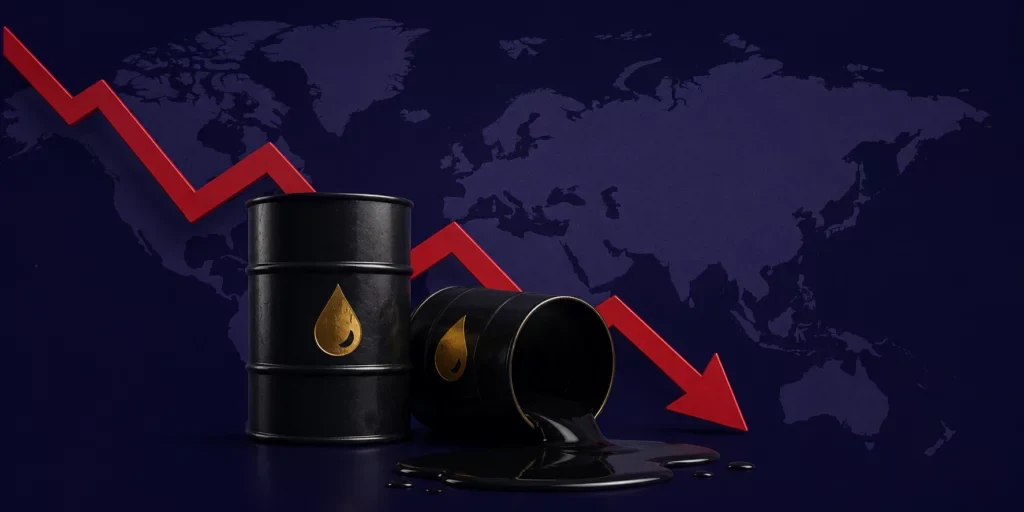
The flipside is that markets remain cautious. Global oil inventories are significantly depleted from months of restricted Hormuz traffic. Some analysts at Sparta Commodities have warned the price drop may be moving faster than the physical supply reality justifies.
Read More: India's AI Problem: Why the World's Fastest-Growing Digital Nation Is Struggling to Keep Up
What Experts and Markets Are Saying
Reuters reported that oil fell approximately 2 percent immediately after the US-Iran ceasefire agreement was signed. Bloomberg noted that Brent tumbled to a fresh three-month low on what traders called the "Hormuz reopening trade."
The Financial Times observed that the road back from the Iran energy shock is long, pointing to structural supply disruptions that cannot be reversed overnight. ING analysts confirmed that crude oil futures were declining on expectations of higher global supply.
Common Misunderstanding Worth Clearing Up
Many readers assume that once a deal is signed, oil prices immediately stabilize at a new lower level. That is not how it works.
Markets price in expectations. The price already fell because traders now expect more supply. If the deal faces complications, or if Iranian exports take longer to fully resume, prices could recover quickly. The deal framework is promising but still preliminary.
What Happens Next
Watch for three things over the coming weeks: confirmation of Iranian oil exports resuming, inventory data from the US Energy Information Administration, and whether OPEC members adjust their own output targets in response to additional Iranian supply.
The Strait going quiet is a relief. But the global oil market rarely stays quiet for long.
Disclaimer: This article is based on information available across the web. Parchar Manch does not take responsibility for its complete accuracy, as the content could not be fully verified.
FAQs
Why did oil prices fall after the US-Iran deal?
The deal signals that the Strait of Hormuz will reopen and Iranian oil supply will return to global markets, easing the fear of a sustained supply shortage that had pushed prices higher.
What is the Strait of Hormuz and why does it matter?
It is a narrow waterway through which around 20 percent of the world's daily oil supply passes. Any disruption there directly affects global crude prices.
Will petrol and diesel prices fall immediately for consumers?
Not immediately. Crude oil price changes take time to pass through refining, distribution, and retail pricing. A sustained drop in crude prices over weeks would likely translate into lower fuel costs.
Is the US-Iran deal final and permanent?
No. It is currently described as a framework or preliminary agreement. Full implementation, verification, and compliance will determine its long-term impact.
How does this affect India specifically?
India imports most of its oil. Cheaper crude eases pressure on the rupee, lowers the import bill, and can reduce fuel-linked inflation across the broader economy.
Could oil prices rise again despite the deal?
Yes. If the deal stalls, if Iranian exports are delayed, or if OPEC cuts production to offset new supply, prices could recover. Markets remain cautious.