
Earth's Underground Fungal Network Is So Vast, It Could Reach the Sun a Billion Times Over
Something is alive beneath your feet right now. Not in a dramatic, science-fiction way. Just quietly, constantly, in a way that science is only beginning to measure properly. A new study has produced the first global map of Earth's underground fungal networks, and the scale of what researchers found is genuinely hard to process.
The total length of these subterranean mycorrhizal fungal threads across the planet? Somewhere between 68 and 110 quadrillion miles. No, that number does not get easier to understand the second time. Put it this way: if you stretched those threads end to end, they could reach the sun and come back roughly one billion times over.
Why the First Global Map of Mycorrhizal Fungi Changes Everything
Scientists have always known these networks existed. But knowing something exists and knowing its true scale are different things entirely. This research, drawing on soil samples from ecosystems around the world including the Gobi Desert, produced the first comprehensive global map of mycorrhizal fungal distribution.
What it revealed is that roughly 70 percent of all land plants on Earth are connected to these networks. That means forests, grasslands, wetlands, and even degraded soils are all woven through with living fungal threads called hyphae, each one thinner than a human hair but collectively forming a web of staggering size.
Read More: A Judge Just Killed Trump's $100,000 H-1B Visa Fee , Here Is What That Actually Means
What Mycorrhizal Fungi Actually Are
Think of them as the internet of the soil. A tree's roots cannot access nutrients efficiently on their own. They need help. Mycorrhizal fungi extend into the soil far beyond where the roots themselves can reach, pulling in phosphorus, water, and other nutrients and delivering them directly to the plant. In return, the plant feeds the fungus sugars produced through photosynthesis. It is a trade that has been running for roughly 450 million years.
Arbuscular mycorrhizal fungi, the most widespread type, colonised plant roots hundreds of millions of years ago. Biologists now believe plants likely could not have moved out of the oceans onto bare land without this partnership. The Amazon, the boreal forests, the ancient redwoods, all of it built on a fungal foundation.
How the Wood Wide Web Actually Works Underground
The network operates at a scale that is invisible to us but fundamental to how forests function. When a tree is stressed, drought or disease, nearby trees connected through the same fungal superhighway can receive chemical signals. Nutrients have been observed moving from older trees to younger seedlings through these pathways.
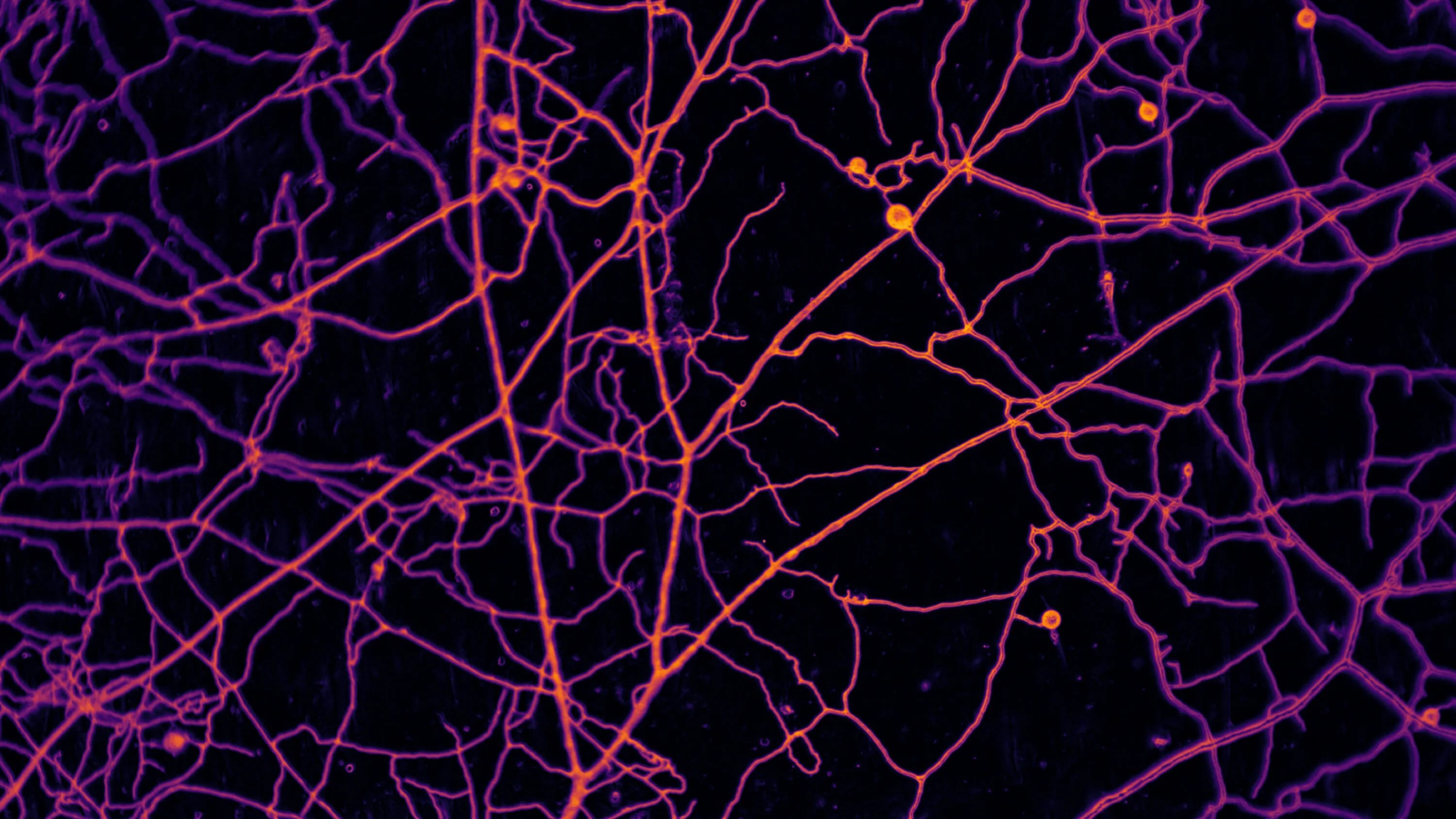
This is sometimes called the wood wide web, and while some earlier claims about tree communication were overstated by popular science, the underlying biology is real. Resources genuinely move through these networks. The fungi are not passive pipes; they are active partners, sometimes directing which plants receive what, likely depending on the benefit they receive in return.
Why This Research Matters for Climate and Conservation
Here is the part that carries weight beyond pure curiosity. Mycorrhizal fungi store significant amounts of carbon in the soil. When forests are cleared or soil is disturbed by industrial agriculture, these networks collapse. The carbon stored in them can return to the atmosphere.
Understanding where these networks are strongest, where they are most vulnerable, and which land-use practices are quietly dismantling them is now possible for the first time because of this global map. That is the practical value of the research: not just wonder, but information that can shape conservation decisions, agricultural policy, and climate strategy.
Read More: Modi at 12: A Decade-Plus of Leading India , What Changed, What Didn't, and What It All Means
Closing Thoughts
There is something quietly humbling about this discovery. The world we walk on has been running a system of extraordinary complexity for nearly half a billion years, and we are only now mapping it. The fungal network does not need our acknowledgment to function. It has been doing this long before we arrived. The question the research leaves open is whether we will protect it now that we finally know its shape.
Read More: India's Current Account Surplus Hit $7.1 Billion in Q4 FY26: What the Numbers Are Really Saying
Disclaimer: This article is based on information available across the web. Parchar Manch does not take responsibility for its complete accuracy, as the content could not be fully verified.
FAQs
What are mycorrhizal fungi?
They are fungi that form partnerships with plant roots, extending deep into soil to gather nutrients and water in exchange for sugars from the plant. Most land plants depend on them.
How long is Earth's underground fungal network?
The latest research estimates between 68 and 110 quadrillion miles of fungal threads crisscross the planet, enough to span 10 percent of the Milky Way galaxy.
What is the wood wide web?
It is an informal term for the underground network through which trees and plants exchange nutrients and chemical signals via mycorrhizal fungal connections.
Why does the global fungal map matter?
It is the first time scientists can see where these networks are concentrated and where they are being destroyed, which is critical for climate change mitigation and land conservation efforts.
Do mycorrhizal fungi affect climate change?
Yes. These fungi store large amounts of carbon in the soil. Disrupting them through deforestation or industrial agriculture can release that carbon, contributing to warming.