India Calls Pakistan a "Frankenstein State" at UN — Here Is What That Really Means
India just delivered one of its sharpest diplomatic rebukes at the United Nations Human Rights Council. And it was not quiet about it.
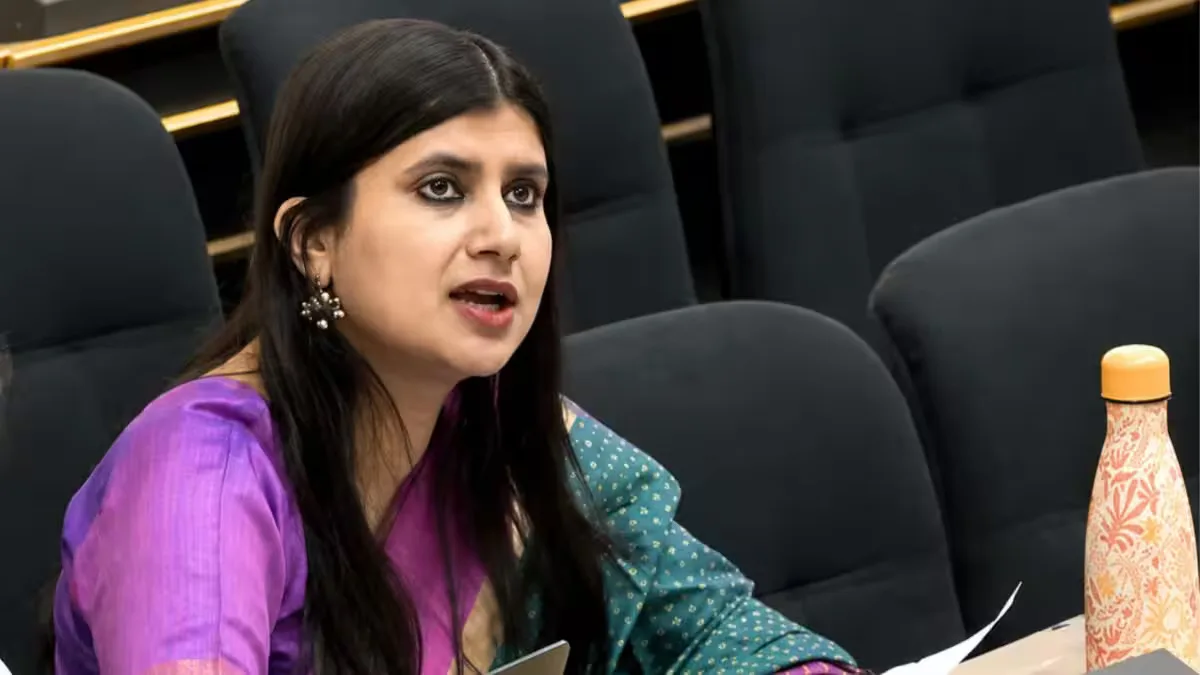
Speaking at the UNHRC session on June 19, 2026, India's First Secretary Anupama Singh called Pakistan a "Frankenstein state" a country that created and nurtured terror outfits which have now turned on it and the region alike. The phrase hit harder than most UN statements do. It was vivid, it was deliberate, and it landed across every major Indian news platform within hours.
But to understand why this moment matters, you need a bit of context.
Why India Called Pakistan a "Frankenstein State" at the UNHRC
The term "Frankenstein" here is not about fiction. It is a metaphor with a pointed edge. A Frankenstein monster, in the original story, is a creation that turns against its creator. India used this phrase to argue that Pakistan built and supported terrorist infrastructure for decades and that the same groups now pose a threat to regional and global stability.
Anupama Singh's statement at the UNHRC accused Pakistan of "exporting terror" across borders while simultaneously approaching global forums to raise grievances about Kashmir. India's position was direct: a country that actively backs terrorism cannot seek sympathy or treaty benefits on the international stage.
This is not the first time India has confronted Pakistan at the UN. But the language this time was sharper, and the timing was deliberate.
The Indus Waters Treaty Statement That Changed the Conversation
Alongside the terror accusations, India also declared the Indus Waters Treaty outdated. This 1960 treaty, brokered by the World Bank, governs how river water from the Indus basin is shared between India and Pakistan. For over six decades, it survived wars, crises, and diplomatic freeze.
India's position now is that a country backing cross-border terrorism cannot continue to claim treaty benefits as if relations are normal. The India-Pakistan water dispute has been simmering since the Pahalgam attack in April 2025. India suspended the treaty's operation back then. This UN statement reinforces that stance officially.
India Reaffirms Its Position on Jammu and Kashmir
India's First Secretary also firmly rejected remarks made by Pakistan and the OIC at the UNHRC about Kashmir, declaring that Jammu and Kashmir was, is, and will always remain an inalienable part of India.
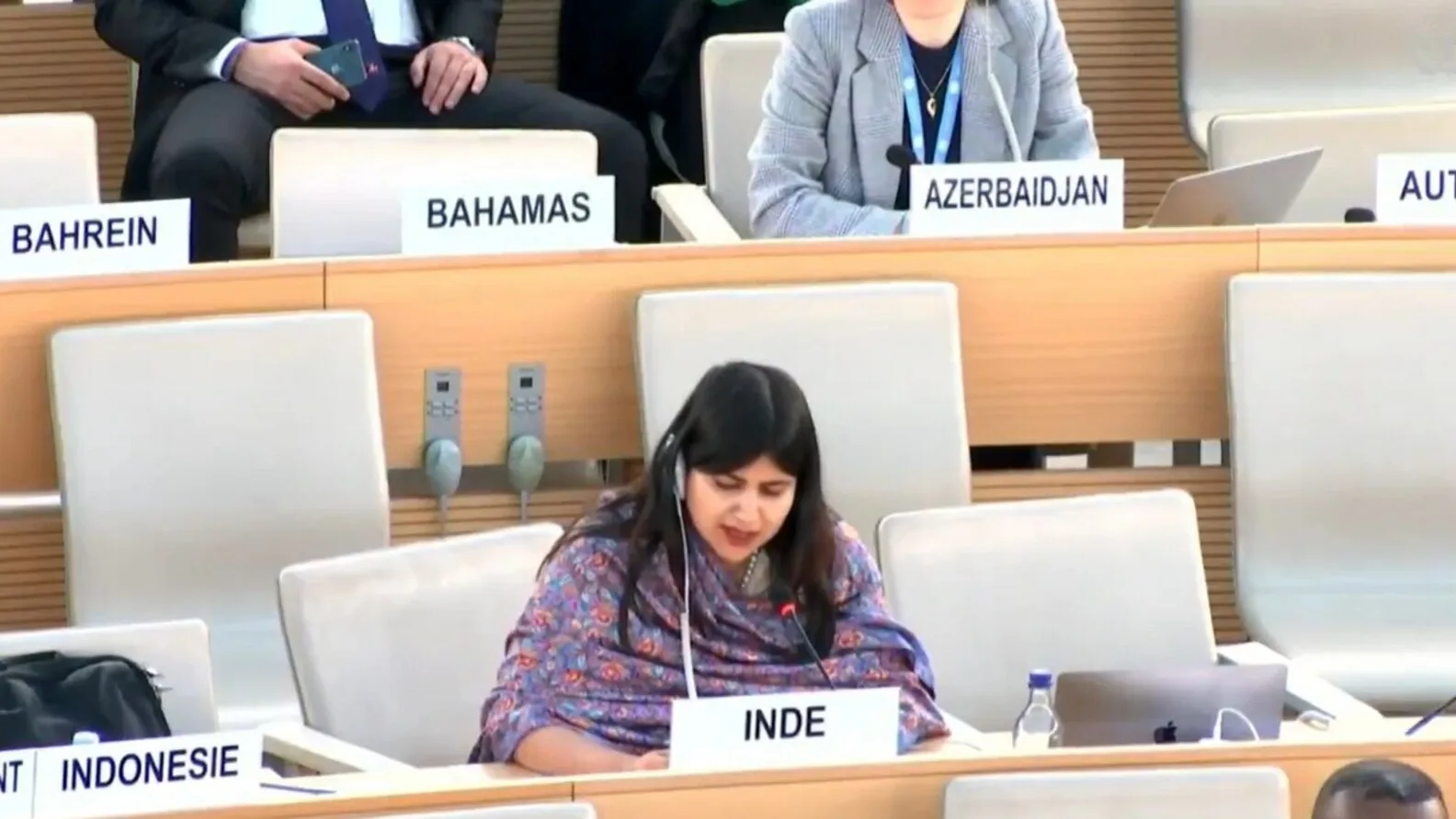
India pushed back hard on what it called a "biased and false narrative" being spread through UN forums. It called out alleged human rights violations in Pakistan-occupied Jammu and Kashmir (PoJK), accusing Pakistan of suppressing its own people while projecting itself as a rights defender globally.
This is a classic diplomatic reversal and India executed it with precision.
Read More: United States and Iran Agree to Reopen Strait of Hormuz: Why the World Is Watching Closely
What the UNHRC Is and Why This Forum Matters
The United Nations Human Rights Council is a Geneva-based body that examines human rights situations across the world. Countries can raise issues, respond to criticism, and address bilateral disputes through this platform.
Pakistan has historically used UNHRC sessions to raise the Kashmir issue and seek international attention. India has increasingly used these same sessions to deliver pointed responses pointing to Pakistan's terror links, cross-border violence, and its treatment of minorities and dissidents.
The fact that India responded at this level, with this kind of language, signals a shift in how New Delhi handles diplomatic pressure at multilateral forums.
Read More: Indian Vessel Virat 1 in Oman: Why This Maritime Visit Is Getting Attention
What Changes After This
Practically speaking, India's statements at the UNHRC do not result in immediate policy changes. But they matter for a few reasons.
First, they signal India's refusal to separate water and trade diplomacy from security concerns. As long as Pakistan is accused of backing terrorism, India will not treat treaties like the Indus Waters agreement as untouched, neutral ground.
Second, the "Frankenstein state" label, if it sticks in global discourse, shifts the narrative frame around Pakistan away from victimhood and toward accountability.
Third, for Indian citizens, this is a moment where foreign policy and national sentiment visibly align.
Closing Thoughts
What India said at the UNHRC was not accidental. Every word at a UN forum is weighed and chosen. Calling Pakistan a "Frankenstein state" was a calculated move one meant to reframe the global conversation around who creates instability and who bears its consequences.
Whether this changes anything on the ground is a separate question entirely. Diplomacy rarely moves fast. But India has made its position unmistakably clear: India-Pakistan relations, as they currently stand, will not be treated as business as usual.
Disclaimer: This article is based on information available across the web. Parchar Manch does not take responsibility for its complete accuracy, as the content could not be fully verified.
FAQs
What did India say about Pakistan at the UNHRC in June 2026?
India's First Secretary Anupama Singh called Pakistan a "Frankenstein state" at the UNHRC, accusing it of exporting terrorism while seeking sympathy on the Kashmir issue at global forums.
Why did India call the Indus Waters Treaty outdated?
India argued that Pakistan cannot continue claiming treaty benefits while backing cross-border terrorism. India had already suspended the treaty's operation after the Pahalgam attack in 2025 and reiterated at the UN that the 1960 agreement no longer reflects current realities.
What is the UNHRC and why does India raise issues there?
The United Nations Human Rights Council is a Geneva-based UN body that reviews human rights conditions globally. India uses it to push back against Pakistan's Kashmir narratives and highlight rights violations in Pakistan-occupied Jammu and Kashmir.
What is Pakistan-occupied Jammu and Kashmir (PoJK)?
PoJK refers to the portion of the Jammu and Kashmir region that has been under Pakistani administrative control since 1947. India considers the entire region its sovereign territory.