Iran's Threat to Close the Strait of Hormuz: What It Means for You, Oil Prices, and the World
The world did not expect Iran to do it. And then, reportedly, it did.
For a few charged days in June 2025, Iran closed , or threatened to close , the Strait of Hormuz, and within hours, oil markets lurched, stock futures trembled, and governments scrambled. If you have ever wondered why a narrow strip of water you may never visit can affect the price of petrol at your local pump, this is the article that finally explains it all.
Why the Strait of Hormuz Is the World's Most Dangerous Chokepoint
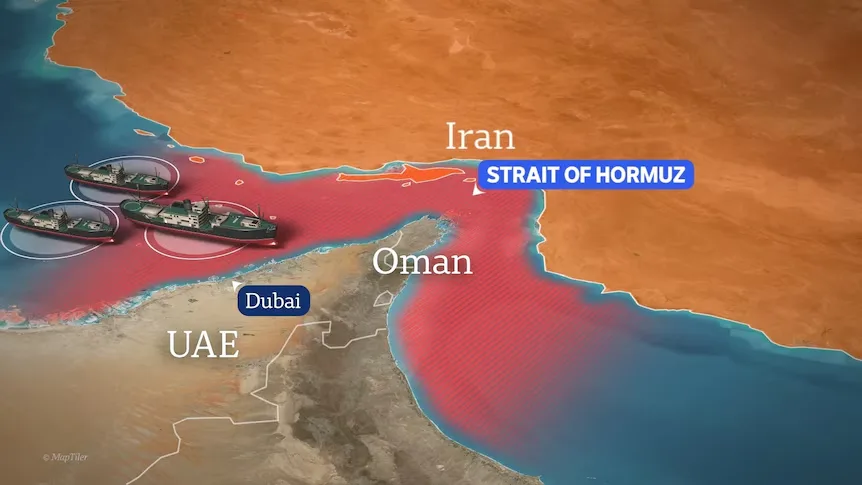
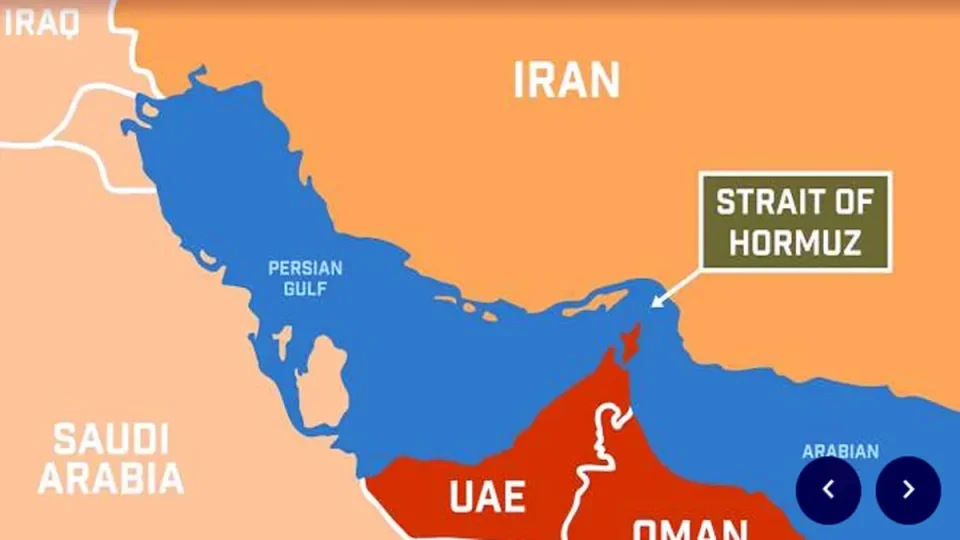
Think of the Strait of Hormuz as the world's most important door. It sits between Iran on one side and Oman and the UAE on the other. At its narrowest point, it is only about 33 kilometres wide. Yet through this slim passage flows roughly 20 percent of the world's oil supply , that is one in every five barrels of oil the entire planet consumes every single day.
Saudi Arabia, the UAE, Kuwait, Iraq, and Iran itself all export oil through this corridor. There is simply no easy alternative. Building pipelines around it would take years and billions of dollars. So when Iran, which controls one entire coastline of this strait, raises the possibility of shutting it down, the reaction is immediate and global.
That is not a dramatic claim. It is just geography doing what geography does.
Read More: Xi Jinping Visits North Korea After Seven Years: What Kim Jong Un Told Him Before He Even Landed
What Happened Between Iran and the US , And Why Hormuz Became the Flashpoint
The backdrop here is the long, grinding tension between the United States and Iran over Iran's nuclear programme. The US has imposed severe economic sanctions on Iran for years, cutting off much of its oil revenue. Iran has repeatedly warned that if it is pushed too far, it will retaliate by blocking the strait , denying everyone else's oil access as a form of economic leverage.
In mid-June 2025, reports emerged that Iran had closed or heavily restricted shipping through Hormuz. Oil prices jumped sharply. Brent crude briefly climbed toward $82 per barrel. Stock futures fell. The word "war premium" entered every market headline.
Then came the diplomatic turn. The US and Iran held talks , first in Oman, then in Switzerland. Qatar and Pakistan announced a 60-day roadmap for a deal. Oil began to ease. Brent crude slid nearly 8 percent in a single week as the prospect of restored flows calmed markets.
But analysts from the Financial Times to the Economist were clear: even with a deal signed, it could take six to twelve months for Hormuz shipping flows to fully normalise. Damaged trust, infrastructure checks, and lingering geopolitical uncertainty do not disappear overnight.
Read More: Iran-Israel War 2026: What's Really Happening, Why the US Is In the Middle, and What Comes Next
What an Iran-US Nuclear Deal Would Actually Change
Here is what a successful deal looks like in practical terms. Iran agrees to cap or pause its nuclear enrichment activities. The US lifts some sanctions. Iranian oil , which has been partially frozen out of global markets , re-enters. Supply increases. Prices fall. That is the simple version.
The complication is that every previous deal (the 2015 JCPOA, for instance) eventually collapsed under political pressure. Markets know this. Which is why even after positive talks, oil price volatility remained high. Traders were not buying peace , they were hedging against its failure.
For countries like India, which imports over 85 percent of its crude oil, the stakes are especially real. A sustained high oil price means a weaker rupee, higher inflation, and rising fuel costs for ordinary households.
Common Misunderstandings About This Crisis
Most people assume the Strait closure is a military move. It is not, primarily. It is an economic pressure tactic , a signal more than an action. Iran's threat carries weight precisely because it does not need to follow through every time. The mere possibility is enough to spike prices.
Another misunderstanding: that a peace deal immediately fixes everything. It does not. The war risk premium built into oil prices fades gradually. Shipping companies need reassurance. Insurance rates for tankers passing through Hormuz remain elevated long after negotiations conclude.
Read More: A Judge Just Killed Trump's $100,000 H-1B Visa Fee , Here Is What That Actually Means
What to Watch in the Next 60 Days
The Qatar-Pakistan brokered roadmap gives both sides two months to agree on specifics. Watch these signals: whether Iranian oil exports begin creeping upward on satellite tracking, whether US sanctions waivers are issued, and whether tanker insurance rates through Hormuz start falling. Those are the real indicators , not press conferences.
The Strait of Hormuz is not just a news story. It is a reminder that in the globalised world, one narrow waterway can connect a geopolitical dispute in the Persian Gulf to a petrol station in Delhi, a shipping lane in Singapore, and a central bank meeting in Frankfurt.
Disclaimer: This article is based on information available across the web. Parchar Manch does not take responsibility for its complete accuracy, as the content could not be fully verified.
FAQs
What is the Strait of Hormuz and why does it matter?
It is a narrow waterway between Iran and the Arabian Peninsula through which about 20 percent of global oil supply passes daily. Disrupting it causes immediate oil price spikes worldwide.
Has Iran actually closed the Strait of Hormuz before?
Iran has threatened to close it many times. Full closures are rare , the threat itself is the tool. Even partial disruptions cause significant market reactions.
How does a US-Iran deal affect oil prices?
A confirmed deal typically reduces the risk premium in oil prices, causing them to fall. More Iranian oil would also enter the market over time, increasing supply and easing prices further.
Why does this matter for India specifically?
India is one of the world's largest oil importers. Higher crude oil prices mean higher fuel costs, import bills, currency pressure, and inflationary impact on everyday goods.
Will oil prices stay high even after a deal?
Likely not at peak crisis levels, but analysts warn that full normalisation , including Hormuz shipping flows recovering completely , could take six to twelve months.
What is a war risk premium in oil prices?
It is the extra cost built into oil prices when there is a risk of conflict that might disrupt supply. It falls when tensions ease, which is why prices dropped after US-Iran talks showed progress.