Can You Trust a Mediator Who Shields the Other Side? Lindsey Graham's Explosive Doubt About Pakistan's Role in US-Iran Talks
There is something quietly disturbing about a peace negotiator who might be helping one of the parties hide from the other. That is precisely the question Senator Lindsey Graham put on the table in May 2026, and the answer, depending on who you ask, is either a diplomatic misunderstanding or a serious breach of trust.
Either way, it is a question that deserves a careful, honest look.
Why Lindsey Graham's Doubts About Pakistan as US-Iran Mediator Matter
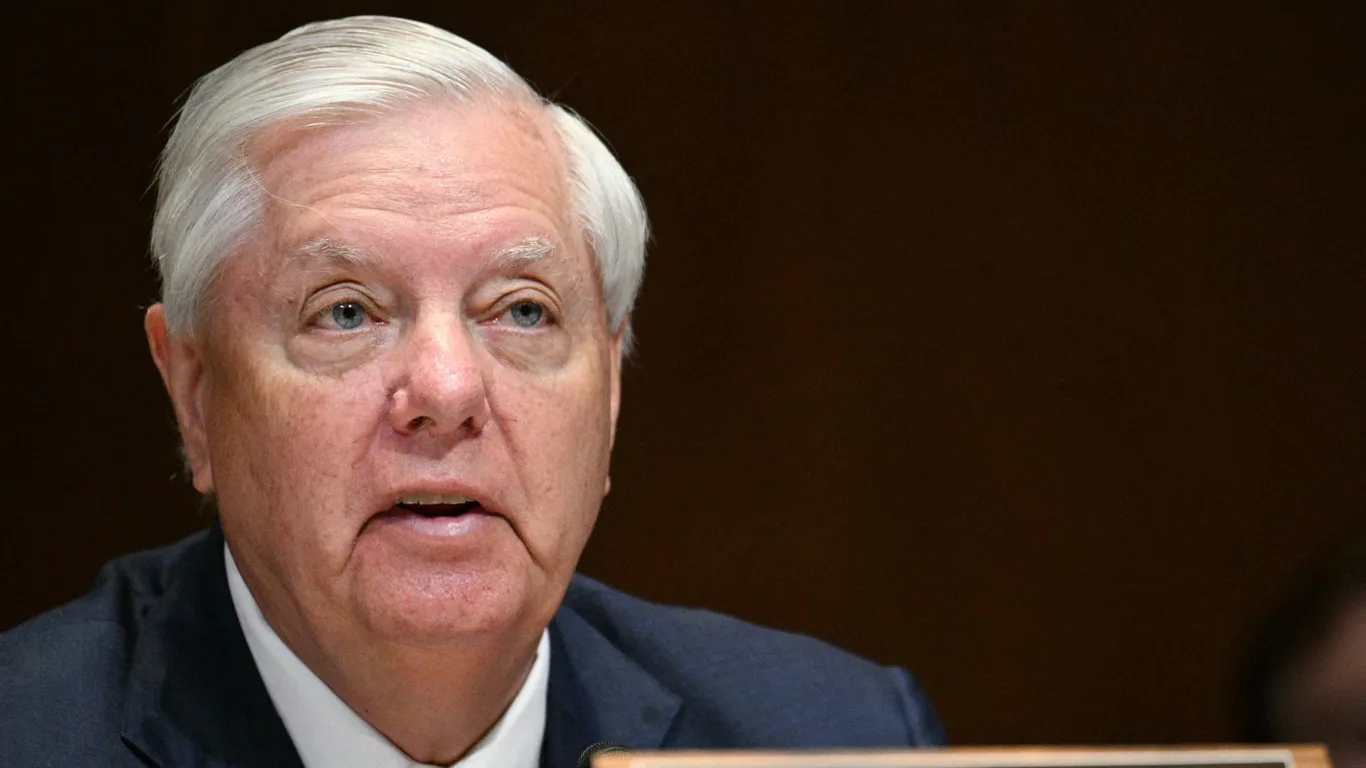
Republican Senator Lindsey Graham said he does not trust Pakistan and questioned the country's role as a mediator in negotiations between the US and Iran, after a report suggested that Pakistan was working closely with Iran.
This was not a casual remark made off a microphone. Graham made these comments during a Senate Appropriations subcommittee hearing with Defense Secretary Pete Hegseth and Joint Chiefs Chairman General Dan Caine. That setting matters. It means these concerns entered the formal record of the United States Senate.
The backdrop: Pakistan had positioned itself as the neutral bridge between Washington and Tehran, hosting ceasefire talks and presenting itself as a reliable diplomatic conduit. Then came a report that made that image crack.
Read More: Iran Reveals Mojtaba Khamenei's Injuries: What Really Happened the Day Tehran Was Struck
The Iranian Aircraft Report That Started Everything
US officials, speaking only under anonymity to discuss national security issues, told CBS News that days after President Trump announced the ceasefire with Iran in early April, Tehran sent multiple aircraft to Pakistan Air Force Base Nur Khan, a strategically important military installation located just outside Rawalpindi. Among the military hardware was an Iranian Air Force RC-130, a reconnaissance and intelligence-gathering variant of the Lockheed C-130 Hercules transport aircraft.
Think of it this way. Imagine you hired a referee for a boxing match, and someone told you the referee was quietly letting one boxer rest in a back room between rounds. You would wonder whose side the referee was really on. That is, roughly, what Graham was wondering about Pakistan.
US officials quoted by CBS said Tehran appeared to be dispersing key aviation assets across the region to prevent them from becoming targets if the conflict escalated into a broader war.
What Graham Said Directly to Defense Secretary Hegseth
Graham asked Defense Secretary Hegseth whether it would be "consistent" for Pakistan to act as a fair mediator if the CBS report was confirmed. Hegseth said he did not want to get in the middle of negotiations. Graham quickly interrupted: "I do. I want to get in the middle of those negotiations. I don't trust Pakistan as far as I can throw them. If they actually have Iranian aircraft parked in Pakistan bases to protect Iranian military assets, that tells me maybe we should be looking for somebody else to mediate. No wonder this damn thing is going nowhere."
That last line carries real weight. The US-Iran peace talks had stalled, and Graham was suggesting that Pakistan's conduct might be part of the reason why.
Pakistan's Official Response and Where Trump Stood
Pakistan's Foreign Ministry issued an official response, stating that several Iranian and American aircraft had arrived in Pakistan during the peace talks held in Islamabad to facilitate the movement of diplomatic personnel, security and administrative staff. Islamabad claimed the Iranian aircraft parked in Pakistan had no links to any military contingency efforts.
President Trump, leaving the White House for his trip to China, took a different view from his Senate ally. He told reporters that the Pakistanis have been "great," praising both Prime Minister Shehbaz Sharif and army chief Asim Munir, and added that he is not reconsidering Pakistan as a mediator.
So within the same week, a senior Republican senator was calling Pakistan untrustworthy, and the Republican president was calling them "absolutely great." That gap in perception is not a small one.
The Abraham Accords Layer That Complicates Everything
Graham's remarks came as Pakistan's Defence Minister Khwaja Asif said he was not in favour of Islamabad joining the Abraham Accords, the framework for establishing diplomatic and security ties between Israel and Arab nations. Graham cited Pakistan's perceived animosity towards Israel as a key reason its mediator role in the US-Iran talks was "problematic."
This is the deeper strategic concern. A country that openly refuses to engage with Israel, which is a close US ally and central to Washington's Middle East policy, being asked to mediate between the US and Iran raises genuine questions about where its sympathies truly lie.
Read More: Tata Sons Board Meeting: The Crisis Inside India's Most Powerful Conglomerate
Satellite Images Added More Fuel
A satellite image dated April 25, 2026, obtained by NDTV, appeared to show an Iran Air Force C-130 aircraft parked near a hangar at Nur Khan Airbase in Rawalpindi. The image was cited as supporting the CBS report, though Pakistan maintained the aircraft were there strictly for the purpose of facilitating diplomatic movement and had nothing to do with military protection.
Closing Thoughts
The core issue here is not just about aircraft parked on runways. It is about what a mediator owes both sides. Trust, above all else. When one party in a negotiation starts doubting whether the person sitting in the middle is genuinely neutral, the talks are already in trouble. Graham saw that clearly, even if the White House chose to look away.
Whether Pakistan was genuinely acting as a neutral broker or quietly leaning toward Tehran remains contested. But the question itself, once raised publicly in a Senate hearing, does not disappear. It lingers. And in diplomacy, lingering doubts have a way of becoming the loudest things in the room.
Disclaimer: This article is based on information available across the web. Parchar Manch does not take responsibility for its complete accuracy, as the content could not be fully verified.
FAQs
What exactly did Senator Lindsey Graham say about Pakistan?
Graham said he does not trust Pakistan and called its role as a US-Iran mediator "problematic." He made the remarks during a Senate hearing, referencing a CBS News report that Pakistan had allowed Iranian military aircraft to park at its Nur Khan Air Base.
What is the US-Iran ceasefire and why is Pakistan involved?
The United States and Iran entered a fragile ceasefire in early April 2026 after weeks of military strikes. Pakistan positioned itself as a neutral diplomatic bridge, hosting peace talks in Islamabad and facilitating communication between the two sides.
What is Nur Khan Air Base and why does it matter here?
Nur Khan Air Base is one of Pakistan's most strategically important military installations, located near Rawalpindi. The controversy centres on reports that Iranian military aircraft, including a reconnaissance RC-130, were parked there after the ceasefire, potentially shielding them from US airstrikes.
Did Pakistan deny the accusations?
Yes. Pakistan's Foreign Ministry said the Iranian aircraft arrived during the ceasefire period and were there to support diplomatic logistics, not military purposes. Officials described the CBS report as "misleading and sensationalized."
Why did Graham also mention the Abraham Accords?
Graham pointed to Pakistan's refusal to join the Abraham Accords and its stated animosity toward Israel as evidence that Islamabad's neutrality in any US-backed peace process is questionable. For Graham, a country that will not align with Israel cannot be a reliable partner for Washington-backed diplomacy in the Middle East.