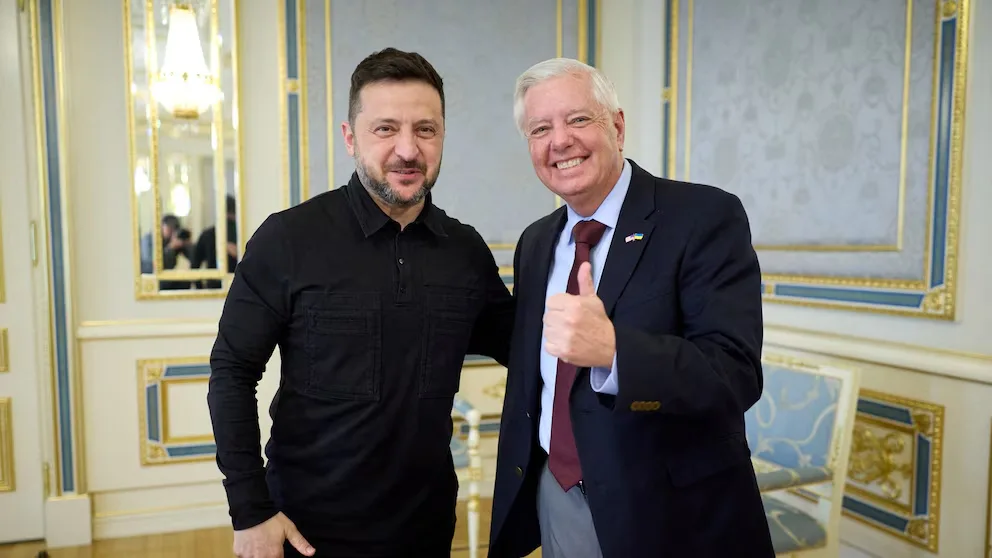
Lindsey Graham Russia Sanctions Bill: The Final Fight He Won Just Before He Died
There's something almost unbearable about the timing here. A senator spends more than a year pushing a bill through the mud of Washington negotiation, finally gets the White House to say yes, calls a colleague from Kyiv sounding, by every account, happier than he'd been in ages... and then, less than 48 hours later, he's gone. That's the story behind the Lindsey Graham Russia sanctions bill, and no, this isn't the usual dry congressional update. It's genuinely one of the stranger, sadder pieces of political news to come out of Washington in a while.
Graham, the Republican senator from South Carolina, died suddenly on Saturday, July 11, 2026, medical examiners have pointed to a rare emergency condition. Just two days earlier, he had told a Democratic colleague that President Trump had agreed to back the sanctions legislation he'd spent over a year building. He reportedly called it, in one form or another, the most consequential thing he'd accomplish in his entire career. Now his colleagues are trying to finish it for him.
Why This Actually Matters, Beyond the Politics
If you're not someone who follows Senate procedure for fun, here's the plain version. This bill is about squeezing money out of Russia's war machine by targeting the countries that keep buying its oil and gas. Energy sales are basically what funds Moscow's continued war against Ukraine. Cut that revenue, the logic goes, and you tighten the noose without a single additional soldier being sent anywhere.
That matters to ordinary people too, not just policy wonks, because tariffs on major oil and gas buyers, think China, India, and a handful of others, can ripple into global energy prices and trade relationships. This isn't an abstract Capitol Hill argument. It's tied directly to how the Ukraine war ends, or doesn't.
What the Bill Actually Is, Explained Simply
Officially called the Sanctioning Russia Act of 2026, the legislation does two main things. First, it slaps mandatory sanctions on Russian political and military leadership, financial institutions, state-owned enterprises, and companies helping Russia's defense industry. Second, and this is the part getting the most attention, it authorizes steep tariffs, up to 100%, on the top five countries buying Russian oil and the top five buying Russian natural gas.
Picture it like a toll booth. Countries that keep buying from Russia's biggest revenue source now face a serious financial penalty for doing so. According to reporting, the top oil buyers currently are China, India, Slovakia, Hungary, and Azerbaijan. For natural gas, it's China, France, Japan, Hungary, and Belgium. China, being the largest buyer of both, would face the full 100% tariff, though the bill specifies these penalties can't stack to reach 200%.
How the Legislation Came Together, Step by Step
- The original version of this bill was introduced back in April 2025 and was far more aggressive, proposing 500% tariffs on any country buying Russian oil or gas, more than 60 nations potentially affected.
- Over more than a year, the Russia sanctions bill got quietly rewritten and narrowed, largely because the White House wanted more discretion over when and how tariffs would actually apply.
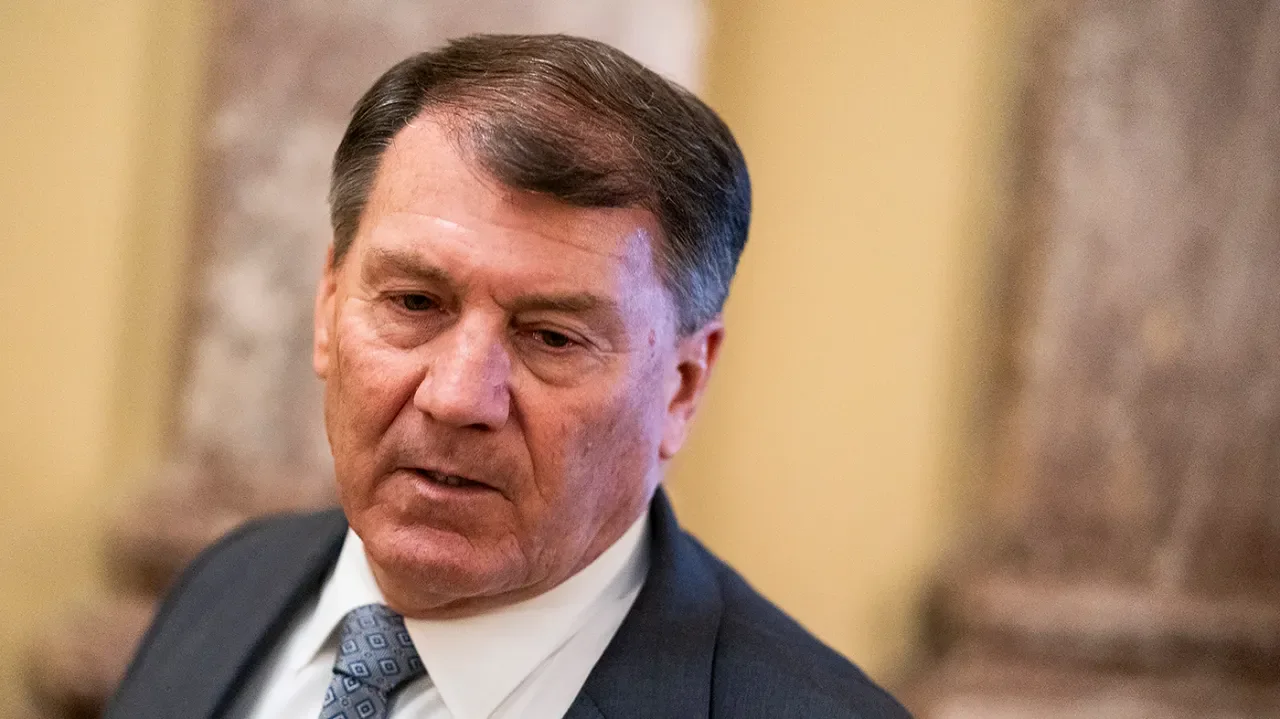
- Graham, working closely with Democratic co-sponsor Senator Richard Blumenthal of Connecticut, kept pushing even as the bill stalled repeatedly.
- Last week, during the NATO summit in Ankara, Graham met with Treasury Secretary Scott Bessent to iron out the final compromise language, alongside Senator Jeanne Shaheen of New Hampshire.
- On the Friday before his death, Graham announced the White House had agreed to support the bill.
- On Tuesday, July 14, a bipartisan group of 26 senators formally introduced the revised text, with that number of cosponsors expected to grow.
Read More: United States and Iran Agree to Reopen Strait of Hormuz: Why the World Is Watching Closely
Real-World Examples That Make This Concrete
Think about a country like Hungary or France. Both still import Russian natural gas, but the revised bill includes a carve-out: nations drawing less than 15% of their gas consumption from Russia, and actively cutting that number down, get exempted. That's a deliberate distinction between allies weaning themselves off Russian energy and countries with no plan to stop. China gets no such shield, which tells you where the bill's real target sits.
Mistakes People Keep Making While Following This Story
A common misunderstanding is treating this purely as a "sanctions bill." It's really a tariff bill wearing sanctions language, and that distinction matters. Some Democrats have quietly worried it hands the president a broad trade weapon rather than a precise tool against Moscow, since the tariff decision ultimately rests with the executive branch, not Congress.
Read More: Indian Vessel Virat 1 in Oman: Why This Maritime Visit Is Getting Attention
Pro Tips for Understanding Where This Goes Next
Watch Senate Majority Leader John Thune. As of this week he hadn't committed to a floor vote, though he's called passage a fitting legacy for Graham. Also watch Senator Rand Paul, who has signaled he'll try to slow things down, arguing steep tariffs on energy-buying nations could disrupt global markets more broadly than supporters admit.
Closing Thoughts
There's a quiet, uncomfortable poetry to a man dying two days after securing the deal he called his career's biggest achievement, and then watching his colleagues, Republicans and Democrats both, rush to finish what he started. Whatever you think of the politics, that part of the story doesn't need embellishing.
Read More: Brazilian Woman Falls to Death From Bridge Without Safety Rope: A Tragedy Raising Serious Safety Questions
Disclaimer: This article is based on information available across the web. Parchar Manch does not take responsibility for its complete accuracy, as the content could not be fully verified.
FAQs
What is the Lindsey Graham Russia sanctions bill?
Formally the Sanctioning Russia Act of 2026, it imposes mandatory sanctions on Russian leadership and up to 100% tariffs on the top five buyers of Russian oil and gas.
Did Lindsey Graham live to see the bill introduced?
No. He died suddenly on July 11, 2026, two days after announcing White House support; the bill was formally introduced July 14.
Which countries would face the tariffs?
China, India, Slovakia, Hungary, and Azerbaijan for oil; China, France, Japan, Hungary, and Belgium for gas, with exemptions for countries reducing their reliance.
Has the bill passed yet?
Not as of mid July 2026. It has bipartisan cosponsors and momentum but awaits a Senate floor vote.
Who is leading the bill now?
Senator Richard Blumenthal remains the lead Democratic cosponsor, with discussions ongoing about whether Graham's successor should take on a lead role.