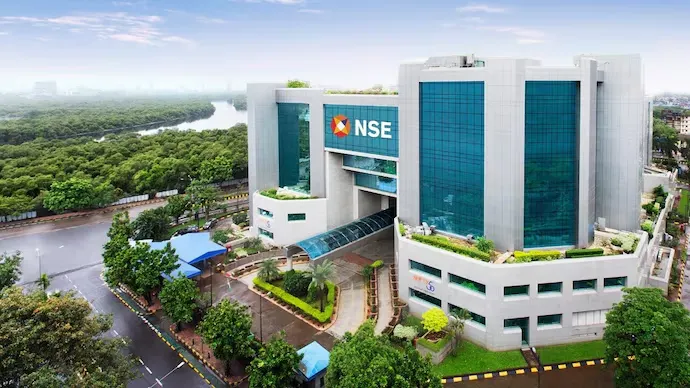
NSE IPO DRHP Filed: India's Largest Stock Exchange Is Finally Going Public After a Decade-Long Wait
The exchange that handles trillions of rupees in trades every single day has spent the better part of a decade trying to list its own shares on the market. That wait is now over. On June 17, 2026, the National Stock Exchange of India (NSE) formally filed its Draft Red Herring Prospectus (DRHP) with the Securities and Exchange Board of India (SEBI), setting in motion what could become the largest initial public offering in Indian stock market history.
Think about that for a second. The very platform where millions of Indians buy and sell stocks is now preparing to sell its own shares to the public.
Why the NSE IPO Filing Is a Historic Moment for Indian Capital Markets
This is not a routine listing. The NSE IPO is estimated to be around Rs 30,000 crore, a share sale that is poised to become the largest public issue in Indian stock market history. For context, that is larger than most marquee listings this country has ever witnessed.
NSE retained its position as the largest equity derivatives exchange globally in FY26, with over 36.99 billion contracts traded. It is also the largest exchange in India by total turnover in the cash market and the third largest globally in terms of the number of trades in cash equities.
A company of this scale going public matters not just to investors, but to the broader story of India as a financial market.
Read More: United States and Iran Agree to Reopen Strait of Hormuz: Why the World Is Watching Closely
What Is the NSE IPO and How Does It Work?
For anyone new to this: an Initial Public Offering (IPO) is when a private company offers its shares to the public for the first time. The NSE has been privately held, with ownership spread across institutions. Now, a portion of those shares will be available to ordinary investors.
Crucially, the issue is entirely an offer-for-sale (OFS) of up to 148,905,525 equity shares, or nearly 6 per cent of NSE's paid-up capital, by existing shareholders. The face value is Rs 1 per share. An OFS means NSE itself is not raising fresh money. Existing shareholders are selling their stake. Every rupee raised goes to them, not into NSE's treasury.
The selling shareholders include major institutional names. State Bank of India, MS Strategic (Mauritius), Canada Pension Plan Investment Board, Aranda Investments (Mauritius), Bank of Baroda, Stock Holding Corporation of India, General Insurance Corporation of India, The New India Assurance Company, National Insurance Limited, and United India Insurance Company are among the sellers.
Notably, Life Insurance Corporation of India (LIC), the single largest shareholder in NSE with a 10.72 per cent stake, will not offload any shares.
What Cleared the Path: A Decade of Regulatory Hurdles
NSE's IPO plans have been in motion since 2016 and were delayed by regulatory scrutiny and legacy legal issues linked to governance concerns and the co-location controversy. That was a case where certain brokers allegedly received faster access to the exchange's systems, giving them an unfair trading advantage.
The logjam finally broke. SEBI issued its No Objection Certificate (NOC) on January 30, 2026, after NSE settled major regulatory disputes. NSE's board formally approved the IPO plan on February 6, 2026. The Delhi High Court also dismissed a petition challenging the NOC in February, removing a legal hurdle.
After nearly a decade, the regulatory sky cleared.
NSE's Financial Strength Backing the Listing
The business fundamentals make a compelling case for investor interest. NSE's revenue from operations stood at Rs 16,601 crore in FY26, compared with Rs 14,780 crore in FY24, while net profit rose to Rs 10,302 crore from Rs 8,305 crore.
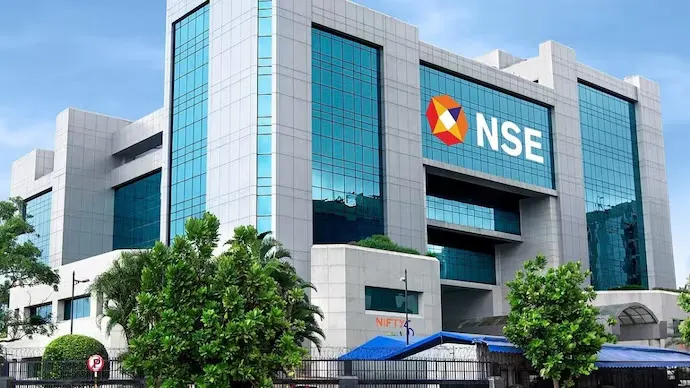
NSE's technology platform processed an average of 12 to 14 billion messages daily as of March 31, 2026. That is the backbone of India's financial system, running at a scale that few institutions globally can match.
What Happens Next: The Path to Listing
The DRHP filing is not the finish line. It is the starting gun.
SEBI will now review the draft prospectus and issue an observation letter, after which NSE can move to set a final listing date. A listing before December 2026 remains the target, with the exchange aiming to complete the process within the third quarter of the current financial year.
Reports cite an estimated unlisted grey market valuation of over Rs 5 lakh crore for NSE. That figure gives a sense of how large the eventual market capitalisation could be on listing day.
Read More: Twenty Rebel Trinamool Congress MPs to Merge with NCPI? The Political Buzz Raising Big Questions
What Retail Investors Should Know Before Applying
The most common mistake people make with high-profile IPOs is applying purely on hype. An OFS structure means no fresh capital enters the company, so the funds raised do not directly strengthen NSE's balance sheet or fund growth plans. Investors are simply buying a stake from existing owners.
Watch for the price band, which will be disclosed closer to the issue opening. The grey market premium or unlisted share price gives a rough sense of market sentiment, but it is not a guarantee of listing gains.
Understanding the book-building process matters too. In a book-built IPO, investors bid within a price range, and the final issue price is determined based on demand. Demand at the institutional level, meaning from mutual funds and foreign portfolio investors, typically sets the tone.
A Quiet Observation Worth Sitting With
There is something quietly poetic about the exchange that built India's modern equity market culture now inviting ordinary Indians to own a piece of it. For retail investors who have spent years buying and selling on NSE's platform, this is a different kind of transaction entirely. Not trading on the exchange. Owning a share of it.
Whether the listing meets expectations or exceeds them, this IPO marks the end of a decade-long chapter. A new one is just beginning.
Disclaimer: This article is based on information available across the web. Parchar Manch does not take responsibility for its complete accuracy, as the content could not be fully verified.
FAQs
What is the NSE IPO size?
The NSE IPO is estimated at approximately Rs 30,000 crore, making it potentially the largest public issue in Indian stock market history.
Is NSE raising fresh capital through this IPO?
No. The IPO is entirely an offer-for-sale (OFS), meaning existing shareholders are selling their stakes. NSE itself will not receive any of the proceeds.
Why was the NSE IPO delayed for so long?
The listing was delayed for nearly a decade due to the co-location controversy, governance concerns, and regulatory scrutiny. SEBI issued its No Objection Certificate only in January 2026, clearing the path.
When will NSE list on the stock exchange?
NSE is targeting a listing before December 2026, subject to SEBI's review of the DRHP and final regulatory approvals.
Will LIC sell its NSE shares in the IPO?
No. LIC, NSE's single largest shareholder with a 10.72 per cent stake, has chosen not to participate in the OFS.
How is NSE's valuation determined?
Currently, NSE shares trade in the unlisted market at valuations that suggest a total company value exceeding Rs 5 lakh crore. The final valuation will be determined once SEBI approves the DRHP and the price band is announced.