Sonam Wangchuk Hunger Strike Ends After 26 Days: What Actually Happened And Why It Matters
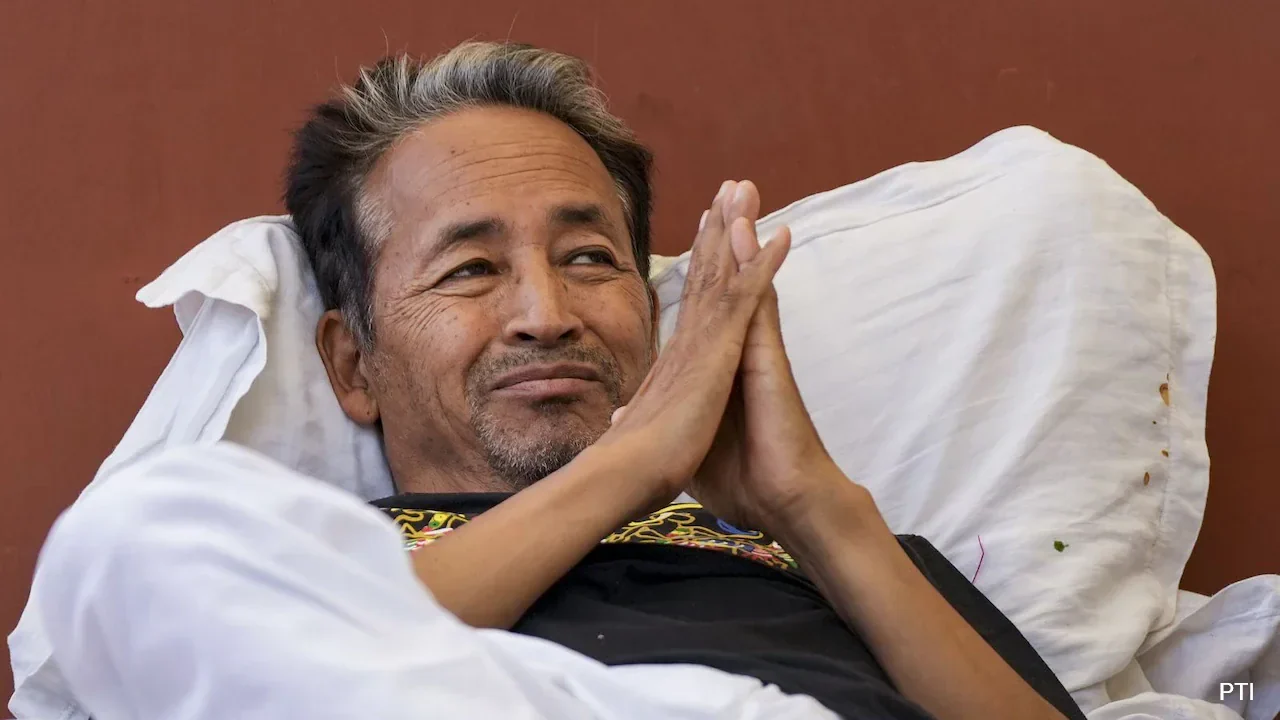
There's something about a 59 year old man refusing food for nearly a month that makes an entire country stop scrolling for a second. That's exactly what happened this week. The Sonam Wangchuk hunger strike, which began quietly on June 28 and grew into one of the most talked about protests in recent memory, finally ended on Thursday inside a hospital room in Gurugram. No grand stage. No massive crowd. Just two Union Ministers, a glass of soup, and a man who had been fasting for 26, some reports say 27, days.
If you've been half following this story through headlines, this piece pulls it all together. No skipped details.
Why This Actually Matters
You might be thinking, okay, one activist ends one fast, why should I care. Fair question. Here's the honest answer. This isn't really about one man's health. It's about the NEET paper leak controversy that has shaken families across India, students who studied for years only to find out the exam itself may have been compromised. When something like that happens, trust breaks. And when trust breaks at that scale, people look for someone willing to put their own body on the line to demand accountability. That's what Wangchuk did.
So the ripple effect here touches students, parents, education policy, and honestly, how the government responds to public pressure going forward.
What It Really Is, Explained Simply
Let's break this down like you're hearing it for the first time. Sonam Wangchuk is an engineer turned education reformer, known for years of work on Ladakh's ecology and learning systems. He joined the Cockroach Janta Party protest movement, a youth led agitation demanding the resignation of Union Education Minister Dharmendra Pradhan over the NEET UG exam paper leak scandal.
An indefinite hunger strike, in plain terms, means refusing food (sometimes water too, depending on severity) until specific demands are met. It's not a stunt. It's a form of protest that puts real physical risk on the person doing it, and that's exactly what makes it powerful, and also dangerous.
How It Unfolded, Step By Step
- He launched the fast on June 28 at the Jantar Mantar protest site in Delhi, alongside the CJP movement.
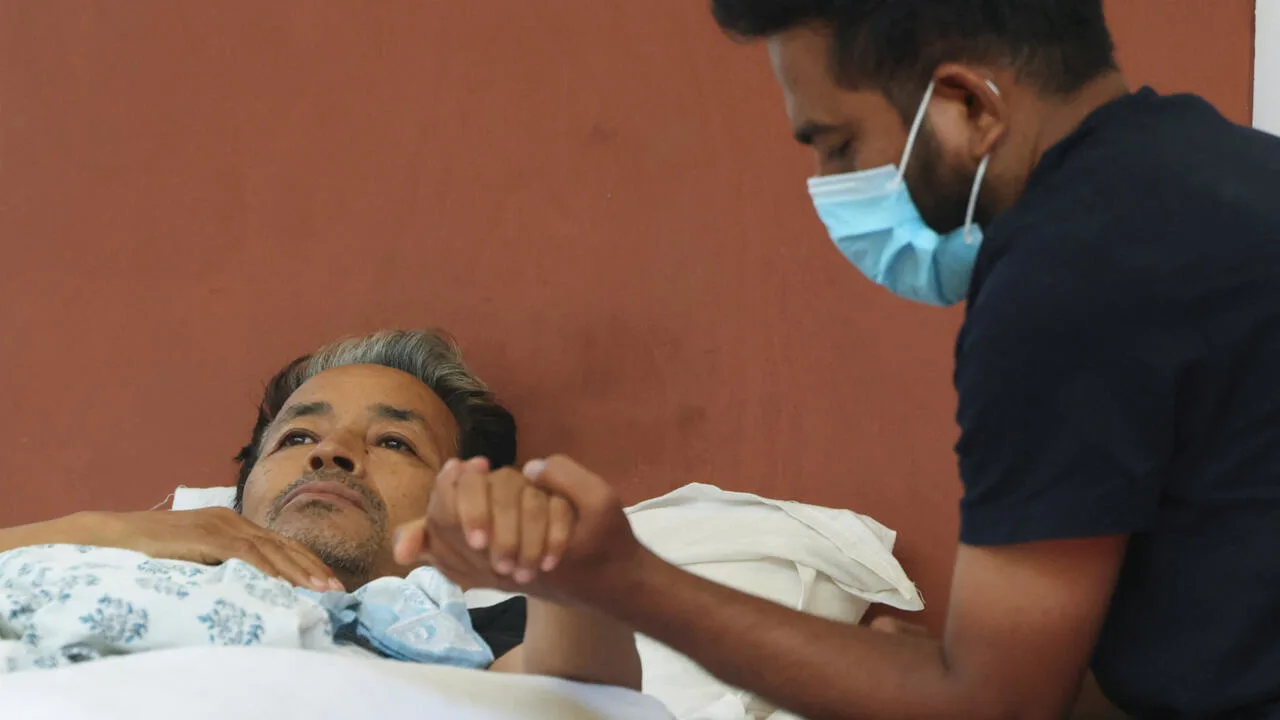
- Around Day 20, his health began deteriorating sharply, and Delhi Police moved him to Safdarjung Hospital.
- His wife, Gitanjali J Angmo, petitioned the Delhi High Court, and following the court's order, he was shifted to Medanta Hospital in Gurugram for better medical care.
- On July 20, tensions boiled over when students and protesters marching toward Parliament clashed with police, an incident that drew widespread outrage and pushed public figures to appeal for restraint.
- By Day 25, Wangchuk had written to the Centre laying out the exact conditions under which he would end the hunger strike.
- On Thursday, Union Ministers JP Nadda and Jitendra Singh visited him at Medanta and read out the government's assurances.
- He broke his fast right there, taking soup, reportedly from JP Nadda's own hands.
Real World Examples: What The Assurances Actually Said
This is the part people actually want to know, what did the government promise. Three things, roughly. First, no cases against those who protested peacefully at Jantar Mantar or during the July 20 march to Parliament. Second, a parliamentary discussion on solutions for exam paper leaks and broader education reform. Third, the government said it's considering compensation for families of NEET paper leak related suicide victims.
Prime Minister Narendra Modi also posted on social media, urging Wangchuk to follow his doctors' advice and regain his old weight soon. It's a small gesture, but in situations like this, even a public message from the top carries weight.
Mistakes People Keep Making While Following This Story
A lot of readers assume the protest is over now that the fast ended. It isn't, not entirely. CJP founder Abhijeet Dipke has already said the peaceful protest at Jantar Mantar will continue until Dharmendra Pradhan actually resigns. So don't confuse "hunger strike ended" with "issue resolved." Those are two very different things, and conflating them is probably the single most common mistake in how this story gets shared online.
Another mistake, treating this as an isolated event. Wangchuk has a history of hunger strikes, including one in Ladakh years back over statehood demands, so this is a pattern of activism, not a one time reaction.
Pro Tips For Understanding This Story Better
If you want to actually follow developments here instead of just headlines, track three things going forward. Whether Parliament actually holds the promised discussion on paper leaks. Whether compensation for victims' families materializes, and how. And whether Dharmendra Pradhan's position changes at all, since that remains the unresolved demand.
Also, and this is a small thing but it matters, pay attention to how different outlets frame this. Some emphasize the ministers' negotiation, others emphasize PM Modi's firmness, others barely mention Pradhan at all. The framing tells you almost as much as the facts.
Closing Thoughts
There's a quiet kind of courage in refusing food for 26 days over something you didn't personally create, an exam leak that mostly hurt strangers, students you'll never meet. Wangchuk's fast ending doesn't close this chapter. If anything, it opens the next one, where promises now have to turn into action, in Parliament, in policy, in whether a minister keeps or loses his seat. That part is still being written.
Read More: Sonam Wangchuk's Hunger Strike Just Crossed a Dangerous Line, Here Is the Full Picture
FAQs
Why did Sonam Wangchuk go on a hunger strike?
He was protesting the NEET UG exam paper leak scandal and demanding the resignation of Union Education Minister Dharmendra Pradhan, as part of the Cockroach Janta Party movement.
How many days did the Sonam Wangchuk hunger strike last?
Reports place it at 26 to 27 days, starting June 28 and ending on July 23 or 24, depending on the source's timezone reporting.
Who convinced him to end the fast?
Union Ministers JP Nadda and Dr Jitendra Singh visited him at Medanta Hospital and read out government assurances, after which he broke his fast.
What did the government promise in return?
No action against peaceful protesters at Jantar Mantar or the July 20 march, a parliamentary discussion on exam reforms, and consideration of compensation for NEET leak related suicide victims.
Where was Wangchuk hospitalized?
He was first admitted to Safdarjung Hospital and later moved to Medanta Hospital in Gurugram following a Delhi High Court order. Focus Keyword Used: Sonam Wangchuk hunger strike LSI Keywords Included: NEET paper leak, Cockroach Janta Party, Union Ministers JP Nadda, Dharmendra Pradhan resignation, Jantar Mantar protest