
The Rupee Is Rising: Why the Indian Rupee Strengthening Against the US Dollar Actually Matters to You
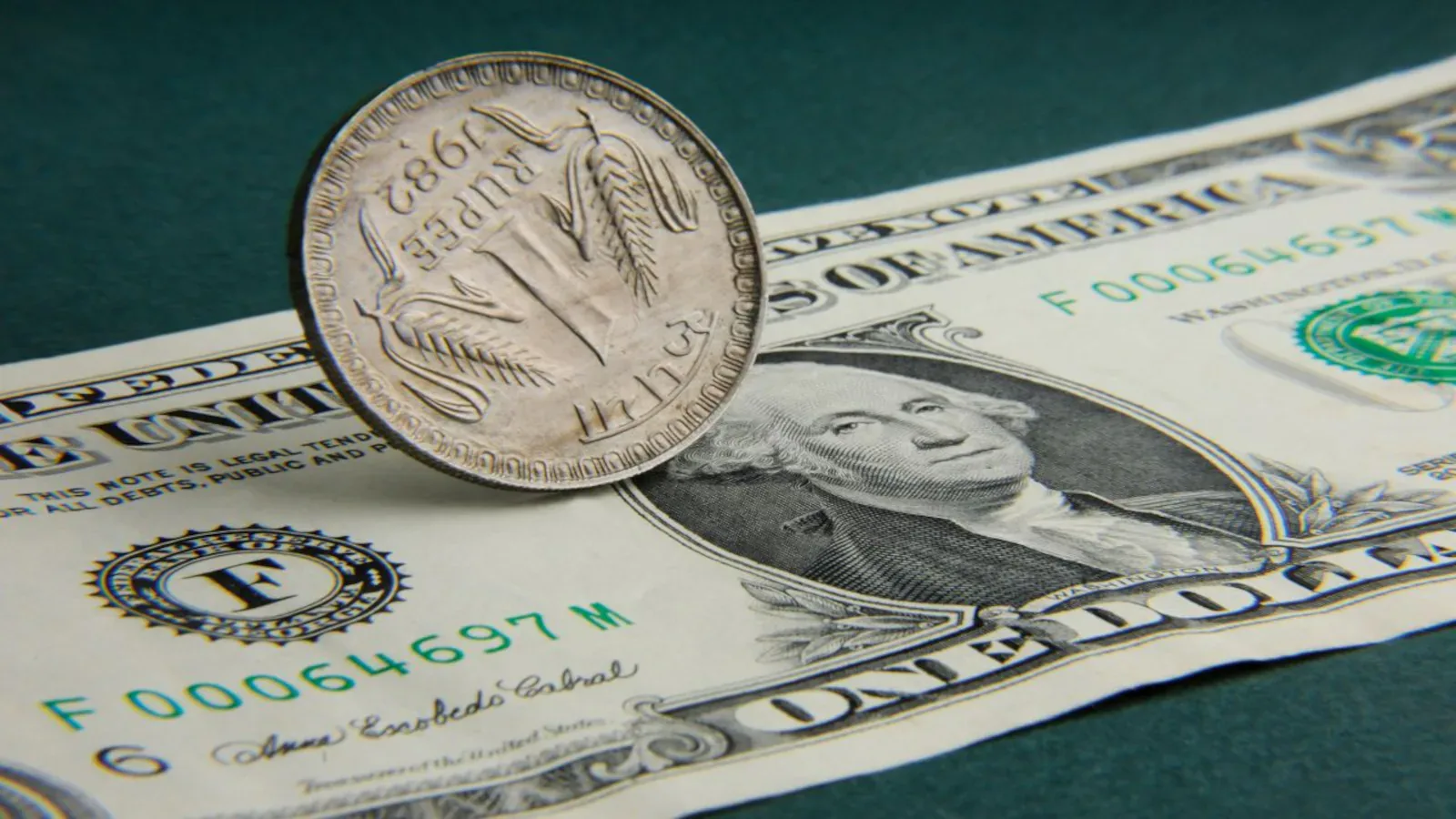
The Indian rupee has been quietly making headlines lately. Not because of a dramatic crash or some banking crisis but because it is actually gaining ground against the US dollar. The Indian rupee strengthening against the US dollar is a story about crude oil, central bank strategy, foreign money flows, and the slow, careful work of economic management. And if you think this only concerns traders or finance ministers, keep reading.
Why the Rupee's Gain Is Not Just a Number on a Screen
Every time you buy a phone, fill up your vehicle, or pay an electricity bill the exchange rate between the rupee and the dollar has already shaped that price. India imports over 80% of its crude oil, and that oil is paid for in US dollars. So when the rupee strengthens, the country's import bill drops. Petrol becomes slightly cheaper to produce. Inflation eases a little. The entire economy breathes a bit easier.
This is why the recent rupee recovery climbing to a six-week high near 94.20 against the dollar is actually meaningful news for ordinary people.
What Is Driving the Indian Rupee Higher Right Now
Several things are moving in India's favour simultaneously, and that rarely happens.
Crude oil prices falling is probably the single biggest driver. A sharp decline in crude oil prices has directly improved India's current account deficit basically, the gap between how much India earns from the world versus how much it pays out. When this gap narrows, less dollar demand is created, which means the rupee faces less downward pressure.
Foreign capital inflows are another key factor. Overseas investors have been putting money back into Indian bonds and equities. This foreign institutional investment (FII) creates demand for rupees, which pushes the currency up. Reports from The Economic Times noted that the rupee posted its longest winning streak in a year on the back of exporter flows and bank dollar sales.
The Reserve Bank of India's (RBI) role cannot be understated either. The RBI actively intervenes in forex markets to maintain a stable exchange rate and help facilitate trade, while also adjusting interest rates to keep inflation near its 4% target. The central bank has been carefully managing the currency not fixing it at an artificial level, but smoothing out wild swings.
India-US trade talks also appear to be improving sentiment. When trade relationships look constructive, foreign investors grow more confident in the rupee's stability.
Read More: United States and Iran Agree to Reopen Strait of Hormuz: Why the World Is Watching Closely
The Hawk in the Room: Why the Gains Have a Ceiling
Here is where it gets interesting. The US Federal Reserve America's central bank recently signalled a more "hawkish" stance, meaning it is keeping interest rates high or even hinting at further hikes. Higher US interest rates tend to strengthen the dollar and draw capital away from emerging markets like India. That creates a ceiling on how far the rupee can rise.
So the rupee is caught between two forces: domestic tailwinds pushing it up, and the Fed's dollar strength pulling it back down. The result is a currency that moves in small, cautious steps gaining 10 to 31 paise on good days, giving back 20 paise on bad ones.
What Most People Get Wrong About the Rupee
The biggest misconception is that a stronger rupee is always good. It is not. While it helps importers and consumers of fuel and electronics, a stronger rupee actually hurts Indian exporters. Software companies, textile manufacturers, and pharmaceutical exporters all earn in dollars. When they convert those earnings back into rupees, a stronger currency means they get fewer rupees per dollar earned. Their margins shrink.
This is why the RBI does not simply try to push the rupee as high as possible. The RBI typically allows gradual depreciation while preventing panic-driven moves. The goal is stability, not strength.
Read More: Indian Vessel Virat 1 in Oman: Why This Maritime Visit Is Getting Attention
A Few Things Worth Watching
If you are a student, investor, or anyone managing household finances keep an eye on these three signals:
Crude oil prices above $100 per barrel will put the rupee under pressure almost immediately. Any signs of the US Federal Reserve cutting rates will weaken the dollar and benefit the rupee. And sustained foreign portfolio investment into Indian markets signals broader confidence in India's economic trajectory.
Closing Thoughts
The rupee's current strength is real, but fragile. It is built on falling oil prices, careful RBI management, and improving trade sentiment — none of which are permanent. What this moment does reveal is that India's economic fundamentals are solid enough to attract support when global conditions allow. That is not a small thing.
Currency movements are not just news for bankers. They are the invisible hand adjusting the cost of everything around you.
Disclaimer: This article is based on information available across the web. Parchar Manch does not take responsibility for its complete accuracy, as the content could not be fully verified.