India's Blistering Warning to Pakistan at the UN: "Sponsoring Terror Will Have Consequences
When a country takes the floor at the UN Security Council and says, in plain language, that its neighbour has spent decades "bleeding it by a thousand cuts" , that is not diplomatic theatre. That is a country that has had enough.
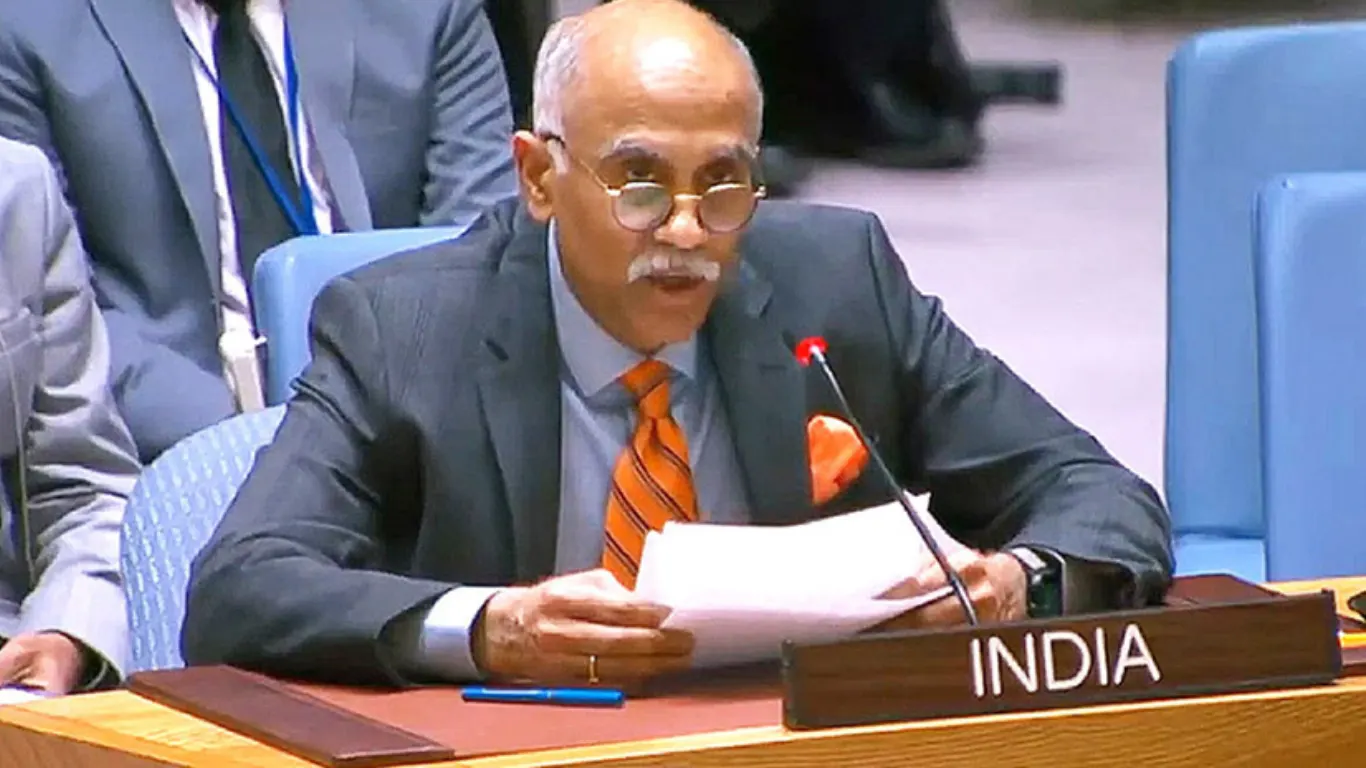
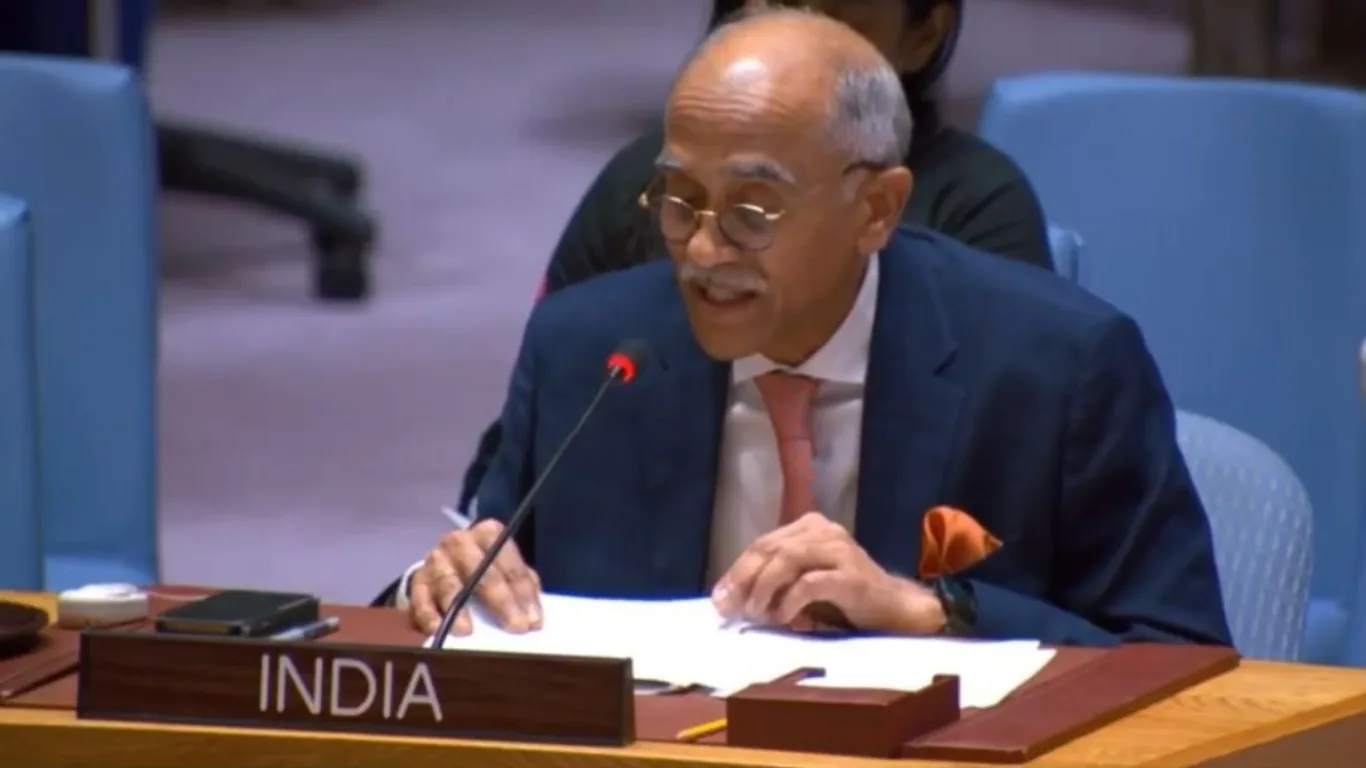
On May 26, 2026, India's Permanent Representative to the United Nations, Ambassador Harish Parvathaneni, delivered one of the sharpest rebukes India has ever issued at the UN Security Council. The occasion was an open debate on maintaining international peace and the principles of the UN Charter. What India said cut through the formality of the forum and landed hard.
Why India's UNSC Statement on Cross-Border Terrorism Matters Right Now
The India-Pakistan relationship has rarely been quiet. But the timing of this confrontation matters. It came just weeks after the Pahalgam terror attack in April 2026 that killed 26 civilians, a tragedy that reignited India's long-standing allegations about Pakistan-sponsored cross-border terrorism.
India did not come to the UNSC to trade diplomatic pleasantries. Ambassador Parvathaneni explicitly named what India sees as Pakistan's strategy: supporting terrorism, religious extremism, and violent radicalism. He called it a pattern that has run "unabated since Pakistan's creation."
This is not just two countries bickering. The UN Security Council is one of the few bodies in the world with the legal authority to impose binding resolutions. When India speaks there, the world is supposed to listen.
Read More: Sensex Slides as US-Iran Tensions Shake Dalal Street: What Every Indian Investor Must Know Today
What Is the "Bleeding India by a Thousand Cuts" Doctrine?
This phrase has a history. It refers to a reported Pakistani military strategy of keeping India perpetually off-balance through low-intensity conflict, insurgency support, and cross-border terrorism rather than open war. The idea being: a thousand small wounds are harder to respond to than one clean blow.
Read More: Iran Reveals Mojtaba Khamenei's Injuries: What Really Happened the Day Tehran Was Struck
India's envoy raised this doctrine by name at the UNSC, essentially forcing an international audience to reckon with a strategic concept that Pakistan has never publicly acknowledged. Think of it like a chess player announcing your opponent's secret game plan in front of the entire audience. It puts pressure on everyone in the room, not just your opponent.
What India Actually Said at the UN Security Council
The statement covered several key points that deserve unpacking, because they weren't vague.
First, India asserted its right to self-defence. This is significant under international law. A country invoking self-defence at the UNSC is laying the legal groundwork for possible future action. India made clear it would not keep absorbing attacks without consequence.
Second, India called out Pakistan's conduct in Afghanistan, referencing what it described as a "long-tainted record of genocidal acts" and raising data around civilian casualties in the region, including references to a Kabul hospital strike.
Third, India challenged Pakistan's remarks at the same debate, calling them "baseless" and accusing Islamabad of using the UNSC as cover to "externalise its internal failures." Pakistan's Foreign Minister Ishaq Dar had spoken earlier, and India's response was direct.
Fourth, India warned that Pakistan "will have to accept consequences for sponsoring cross-border terrorism." That word, consequences, in a UN setting carries weight that a general public statement would not.
Pakistan's Response: What Islamabad Said
Pakistan's Deputy Prime Minister and Foreign Minister Mohammad Ishaq Dar addressed the same UNSC open debate. He spoke about the UN Charter, international peace, and what Pakistan characterises as India's aggression following the Pahalgam attack.
Pakistan has consistently denied state-sponsored support for terror groups. At this debate, Pakistan's foreign office framed its statements around international law and sovereignty. India countered that this framing was a deflection from Pakistan's documented support for terrorist organisations operating against India.
How the International Community Is Reading This
The UNSC open debate format means no binding resolution follows. Countries speak, positions are registered, and the record stands. But that record matters.
India's use of terms like "consequences" and the invocation of self-defence, in a multilateral forum, signals to international observers that New Delhi is building a case. Not just for domestic audiences. For the world.
Other nations watching this exchange include those who mediate between India and Pakistan, those who supply arms to both, and those who rely on regional stability for trade routes through South Asia. The stakes, quietly, are enormous.
Mistakes People Make When Reading India-Pakistan Disputes at the UN
One common error is treating these statements as purely performative. They are not. Every word in a UNSC statement is chosen carefully. "Consequences" is not a throwaway word.
Another mistake is assuming that because nothing legally binding came from this session, nothing will follow. The UNSC record shapes diplomatic relationships, future negotiations, and international pressure. India adding Pakistan's conduct to the formal UN record strengthens its position in every future forum.
Read More: Tata Sons Board Meeting: The Crisis Inside India's Most Powerful Conglomerate
A third error is reading this purely as a bilateral conflict. Regional security in South Asia affects global supply chains, energy routes, and the long-term stability of nuclear-armed states. That is not a bilateral problem.
What Comes Next: Reading Between the Lines
India has now formally, at the world's highest security table, linked Pakistan to terrorism and warned of consequences. Pakistan has maintained its denial. The gap between those two positions is enormous and shows no sign of narrowing.
What this moment actually represents is a shift in how India is choosing to fight this battle. Not just through military readiness, but through the quiet, persistent work of building an international record. Brick by brick.
For ordinary people following this story, the key question is simple: will the international community treat this as a serious accusation deserving investigation, or will it fade into the long archive of UNSC debates where words were spoken and nothing changed?
History, unfortunately, offers more examples of the second outcome than the first.
Disclaimer: This article is based on information available across the web. Parchar Manch does not take responsibility for its complete accuracy, as the content could not be fully verified.
FAQs
What is cross-border terrorism in the India-Pakistan context?
It refers to militant attacks carried out on Indian soil by groups that India and many international observers say are trained, funded, or sheltered in Pakistani territory. Pakistan denies direct state involvement, though several such groups have known links to Pakistani intelligence agencies.
What is the UN Security Council's role in India-Pakistan tensions?
The UNSC can pass binding resolutions, impose sanctions, or authorise peacekeeping missions. However, because permanent members like China often protect Pakistan diplomatically, India has historically found multilateral pressure difficult to apply. Statements at the UNSC still matter as formal international records.
What does India mean by "consequences" for Pakistan?
India has not specified. In diplomatic language, "consequences" can range from further international isolation and sanctions advocacy, to the use of force under Article 51 of the UN Charter, which allows self-defence. India's invocation of self-defence rights at the UNSC is the more significant signal.
What is the "thousand cuts" doctrine?
It refers to a reportedly documented Pakistani military strategy of exhausting India through sustained low-intensity conflict rather than conventional war. India raised this by name at the UNSC to frame Pakistan's behaviour as a deliberate, long-term policy rather than isolated incidents.
Was any resolution passed after this UNSC debate?
No. This was an open debate, not a formal council meeting called to vote on a resolution. The significance lies in the formal record created, not in any immediate legal outcome.